Can type 1 diabetes be detected years before symptom onset?
Type 1 diabetes (T1D) is a progressive disease in which the decline in beta cell function usually begins months or sometimes years before clinical symptoms are observed.1–3 You can identify such patients at risk of developing T1D before clinical symptoms are noticed by you or your patient.3

Key Takeaway
Autoimmunity leads to destruction of beta cells, resulting in decreased insulin production2
Progression of T1D to symptomatic disease may take months to years3
Other associated autoimmune diseases are associated with an increased risk of developing T1D4
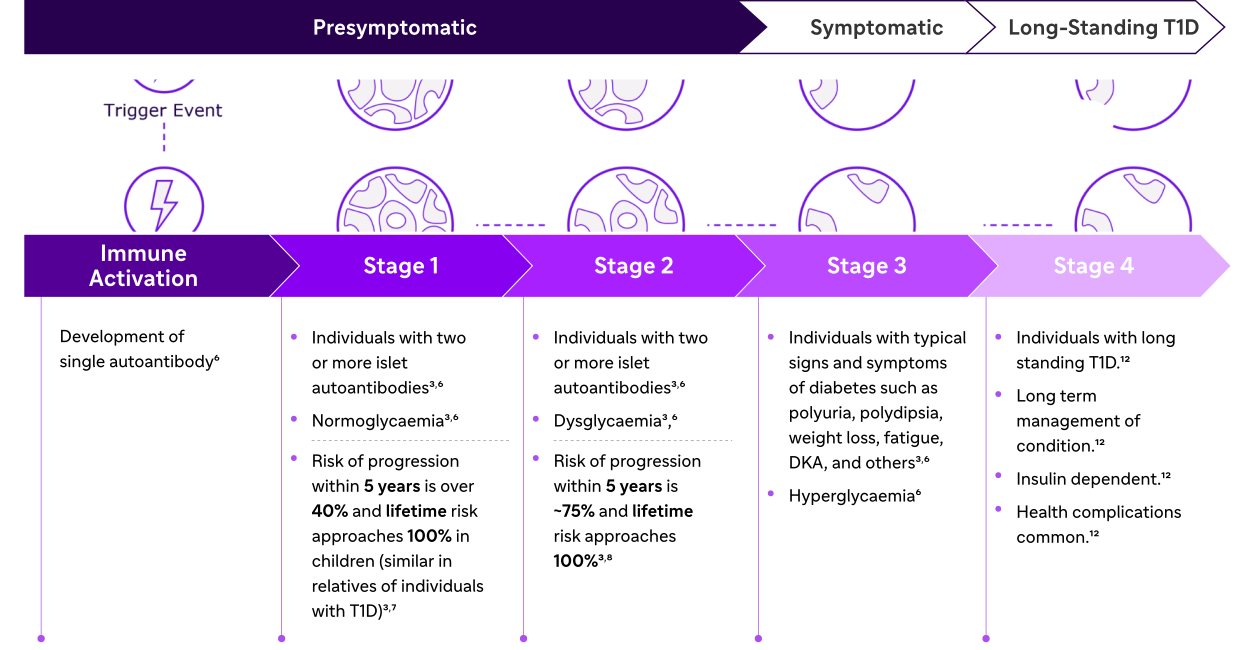
Development and progression of T1D has four distinct stages3
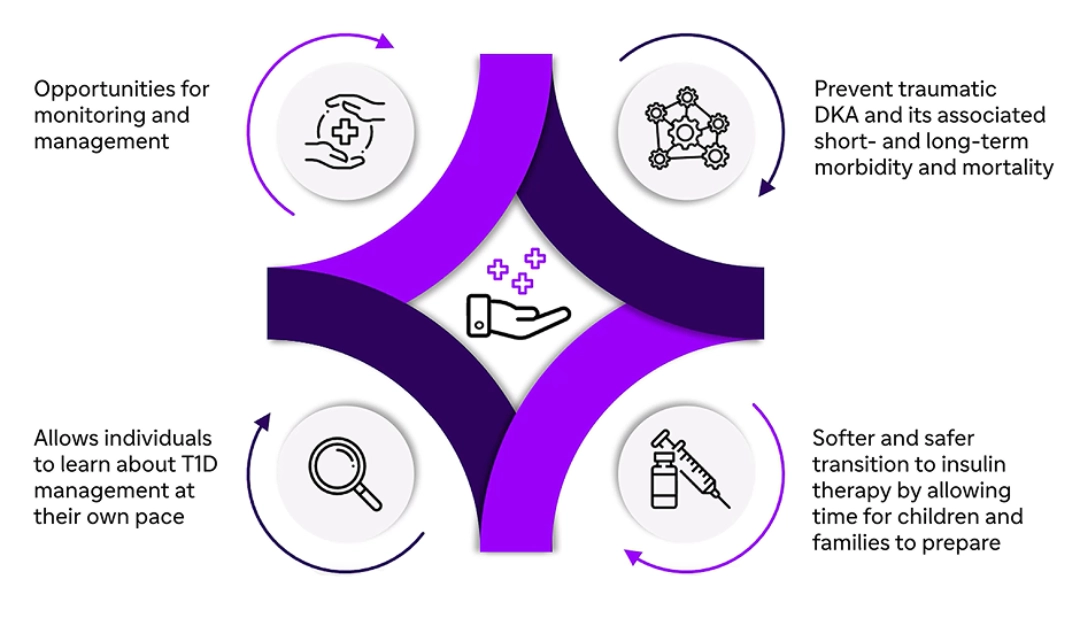
Early identification of individuals at risk of T1D demonstrates multiple potential benefits6,9-12
Is the pathogenesis of T1D poorly understood?
The pathogenesis of T1D involves a complex interaction between the beta cells and immune system.1 It begins when the autoreactive T cells recognise and destroy the pancreatic beta cells. This leads to a critical decline in insulin levels, which in turn causes ineffective control of blood glucose levels. Eventually, the remaining beta cells become insufficient to maintain normal blood glucose reducing insulin secretion and leading to T1D.2
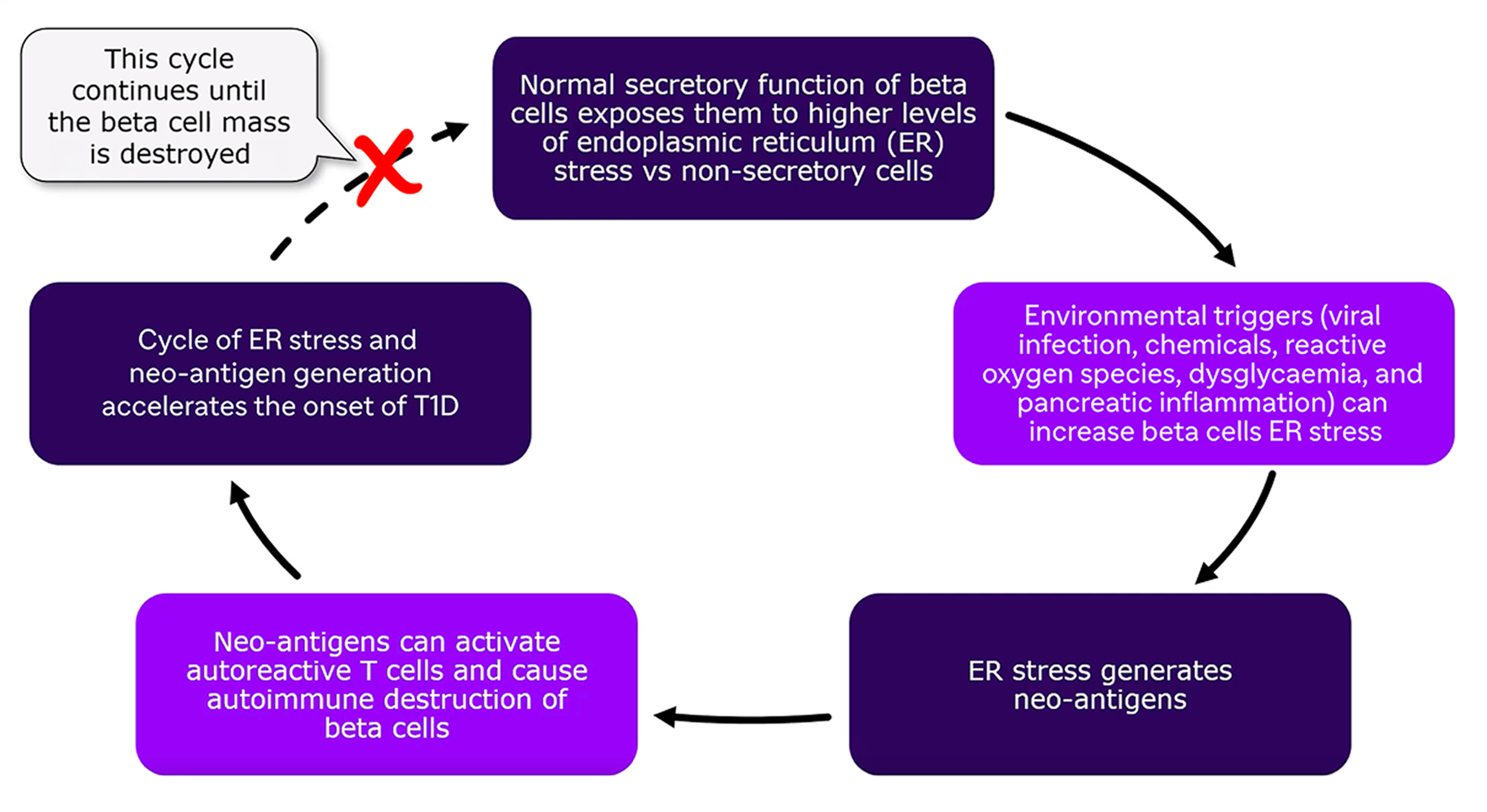
Lately, many autoantigens responsible for triggering immune-mediated destruction of beta cells have been identified; however, the triggering factors for this autoimmune response remain poorly understood.2,3
The figure below illustrates one of the potential mechanisms behind the triggering of the autoimmune response.
A potential mechanism for triggering autoimmune response2
Does the onset of T1D begin long before symptoms appear?
In general, T1D is a disease continuum that progresses sequentially through identifiable stages before symptoms appear. The rate of progression of T1D from the stage of autoimmune response to symptomatic disease varies among individuals and may take from few months to decades.3
Genetic susceptibility and genetic risk detection of T1D
It is noteworthy that people living with other associated autoimmune diseases, such as coeliac disease, autoimmune thyroid disease, are at an increased risk of developing T1D than the general population.4 Shared genetic risk factors and immune system dysregulation are potentially implicated both in polyautoimmunity (occurrence of ≥2 autoimmune diseases in a single patient) and family autoimmunity (presence of ≥2 autoimmune diseases in members of a nuclear family) among individuals with T1D.5
Currently, first- or second-degree relatives of individuals with T1D or paediatric population are being screened for increased risk of developing T1D in the research setting.3
For additional information on common genetic risk factors linked to T1D, please read this article.
What are the stages of T1D?
The Breakthrough T1D (formerly JDRF), the Endocrine Society, and the International Society for Pediatric and Adolescent Diabetes (ISPAD) have proposed four distinct stages of development and progression of T1D, starting with the stage of activation of autoimmune response against the beta cells through symptomatic T1D.3
Progressive destruction of beta-cell function through different stages of T1D3,6
In Stage 1, two or more autoantibodies against the pancreatic islets are detectible in the peripheral circulation which serve as a marker of autoimmunity. Beta-cell number and function begins to decline but are adequate to maintain normoglycaemia.3
In Stage 2, progressive beta-cell damage compromises insulin production, and glycaemic control cannot be maintained consistently, resulting in dysglycaemia. Autoantibodies persist in the peripheral circulation.3
In Stage 3, beta-cell function is reduced such that blood glucose levels are consistently elevated and treatment with insulin is eventually required. Clinical symptoms of T1D appear, including polyuria, polydipsia, weight loss, fatigue, and diabetic ketoacidosis (DKA).3
Stage 4 is indicative of longstanding T1D involving insulin dependence and requiring long term management of the condition.12
The below figure illustrates the four distinct stages of T1D.
Can T1D be identified before symptom onset?
Conventionally, T1D is diagnosed after onset of clinical symptoms. However, latest research evidence on pathophysiological mechanisms leading to development and progression of T1D enable us to identify T1D in its presymptomatic stages (Stage 1 and Stage 2 as described above).3
Early detection of presymptomatic stages through screening for autoantibodies provides an opportunity for earlier monitoring and intervention strategies aimed at delaying progression to symptomatic T1D.3
Early identification of individuals at risk of T1D has a range of potential benefits6,9–11
The figure below illustrates the potential benefits of early identification of individuals at risk of T1D.
Early detection of T1D is possible. You can identify patients at risk months to years before clinical symptoms appear1-3 |
- DiMeglio LA, Evans-Molina C, Oram RA. Type 1 diabetes. Lancet. 2018;391(10138):2449–2462.
- Marré ML, James EA, Piganelli JD. β cell ER stress and the implications for immunogenicity in type 1 diabetes. Front Cell Dev Biol. 2015;3:67.
- Insel RA, Dunne JL, Atkinson MA, et al. Staging presymptomatic type 1 diabetes: a scientific statement of JDRF, the Endocrine Society, and the American Diabetes Association. Diabetes Care. 2015;38(10):1964–1974.
- Barker JM. Clinical review: Type 1 diabetes-associated autoimmunity: natural history, genetic associations, and screening. J Clin Endocrinol Metab. 2006;91(4):1210–1217.
- Głowińska-Olszewska B, Szabłowski M, Panas P, et al. Increasing co-occurrence of additional autoimmune disorders at diabetes type 1 onset among children and adolescents diagnosed in years 2010-2018-single-center study. Front Endocrinol (Lausanne). 2020;11:476.
- Sims EK, Besser REJ, Dayan C, et al. Screening for type 1 diabetes in the general population: A status report and perspective. Diabetes. 2022;71(4):610–623.
- Ziegler AG, Rewers M, Simell O, et al. Seroconversion to multiple islet autoantibodies and risk of progression to diabetes in children. JAMA. 2013;309:2473–2479.
- Krischer JP; Type 1 Diabetes TrialNet Study Group. The use of intermediate endpoints in the design of type 1 diabetes prevention trials. Diabetologia. 2013;56:1919–1924.
- Narendran P. Screening for type 1 diabetes: Are we nearly there yet? Diabetologia. 2019;62(1):24–27.
- Besser REJ, Bell KJ, Couper JJ, et al. ISPAD clinical practice consensus guidelines 2022: Stages of type 1 diabetes in children and adolescents. Pediatr Diabetes. 2022;23(8):1175–1187.
- Hummel S, Carl J, Friedl N, et al. Children diagnosed with presymptomatic type 1 diabetes through public health screening have milder diabetes at clinical manifestation. Diabetologia. 2023;66(9):1633–1642.
- Stages of type 1 diabetes | Breakthrough T1D. Accessed January 2026. Available at: https://breakthrought1d.org.au/what-is-t1d/stages/
Waddling-Gait---Robert,-28-year-old-mild-LOPD-patient

Waddling Gait - Robert, 28-year-old mild LOPD patient
Reaching-Overhead---Robert,-28-year-old-mild-LOPD-patient

Reaching Overhead - Robert, 28-year-old mild LOPD patient
Standing-From-Sitting---Robert,-28-year-old-mild-LOPD-patient

Standing From Sitting - Robert, 28-year-old mild LOPD patient
Climbing-Stairs---Robert,-28-year-old-mild-LOPD-patient
Climbing Stairs - Robert, 28-year-old mild LOPD patient
Waddling-Gait---Karen,-18-year-old-moderate-LOPD-patient
Waddling Gait - Karen, 18-year-old moderate LOPD patient
Reaching-Overhead---Karen,-18-year-old-moderate-LOPD-patient

Reaching Overhead - Karen, 18-year-old moderate LOPD patient
Standing-From-Sitting---Karen,-18-year-old-moderate-LOPD-patient

Standing From Sitting - Karen, 18-year-old moderate LOPD patient
Climbing-Stairs---Karen,-18-year-old-moderate-LOPD-patient

Climbing Stairs - Karen, 18-year-old moderate LOPD patient
ASPIRE-ICT-1-23_Harrington_MAT-AU-2302788-1

ASPIRE-ICT-1-23_Kyle-Blakey_MAT-AU-2302789-1

Which-biologic-and-why--When-to-switch-to-another-one-

Waddling-Gait---Brian,-44-year-old-severe-LOPD-patient
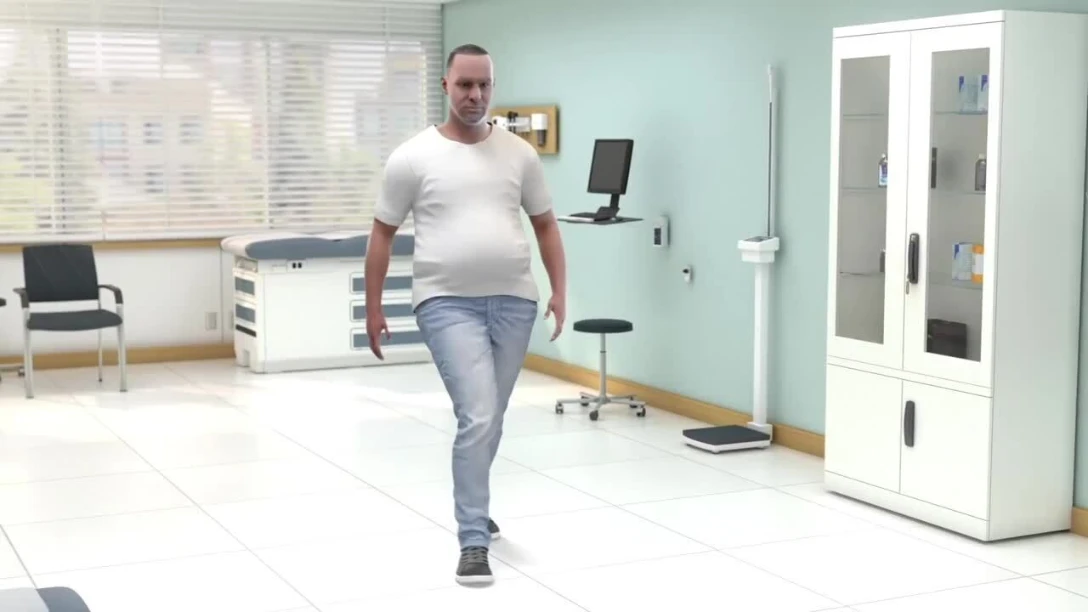
Waddling Gait - Brian, 44-year-old severe LOPD patient
Reaching-Overhead---Brian,-44-year-old-severe-LOPD-patient

Reaching Overhead - Brian, 44-year-old severe LOPD patient
Standing-From-Sitting---Brian,-44-year-old-severe-LOPD-patient

Standing From Sitting - Brian, 44-year-old severe LOPD patient
Climbing-Stairs---Brian,-44-year-old-severe-LOPD-patient

Climbing Stairs - Brian, 44-year-old severe LOPD patient
RESP-ICT2_Wark_MAT-AU-2301970
.webp/jcr:content/RESP-ICT2-Wark_400X300%20(1).webp)
RESP-ICT2_Wark_MAT-AU-2301970
RESP-ICT2_Stone_MAT-AU-2301972
.webp/jcr:content/RESP-ICT2-Stone_400X300%20(1).webp)
RESP-ICT2_Stone_MAT-AU-2301972
Remission-in-rheumatology---Dr-Michelle-Tellus
.webp/jcr:content/RESP-ICT2-Tellus_400X300%20(1).webp)
Remission in rheumatology - Dr Michelle Tellus
Pavord_MAT-AU-2300571

Pavord_MAT-AU-2300571
Wark_MAT-AU-2300572

Wark_MAT-AU-2300572
Q-A-Discussion_MAT-AU-2300573

Q&A-Discussion_MAT-AU-2300573
RESP-ICT3_Tellus_MAT-AU-2302033
RESP-ICT3_Tellus_MAT-AU-2302033
RESP-ICT3_Lee_MAT-AU-2302034

RESP-ICT3_Lee_MAT-AU-2302034
RESP-ICT3_Hew_MAT-AU-2302035

RESP-ICT3_Hew_MAT-AU-2302035
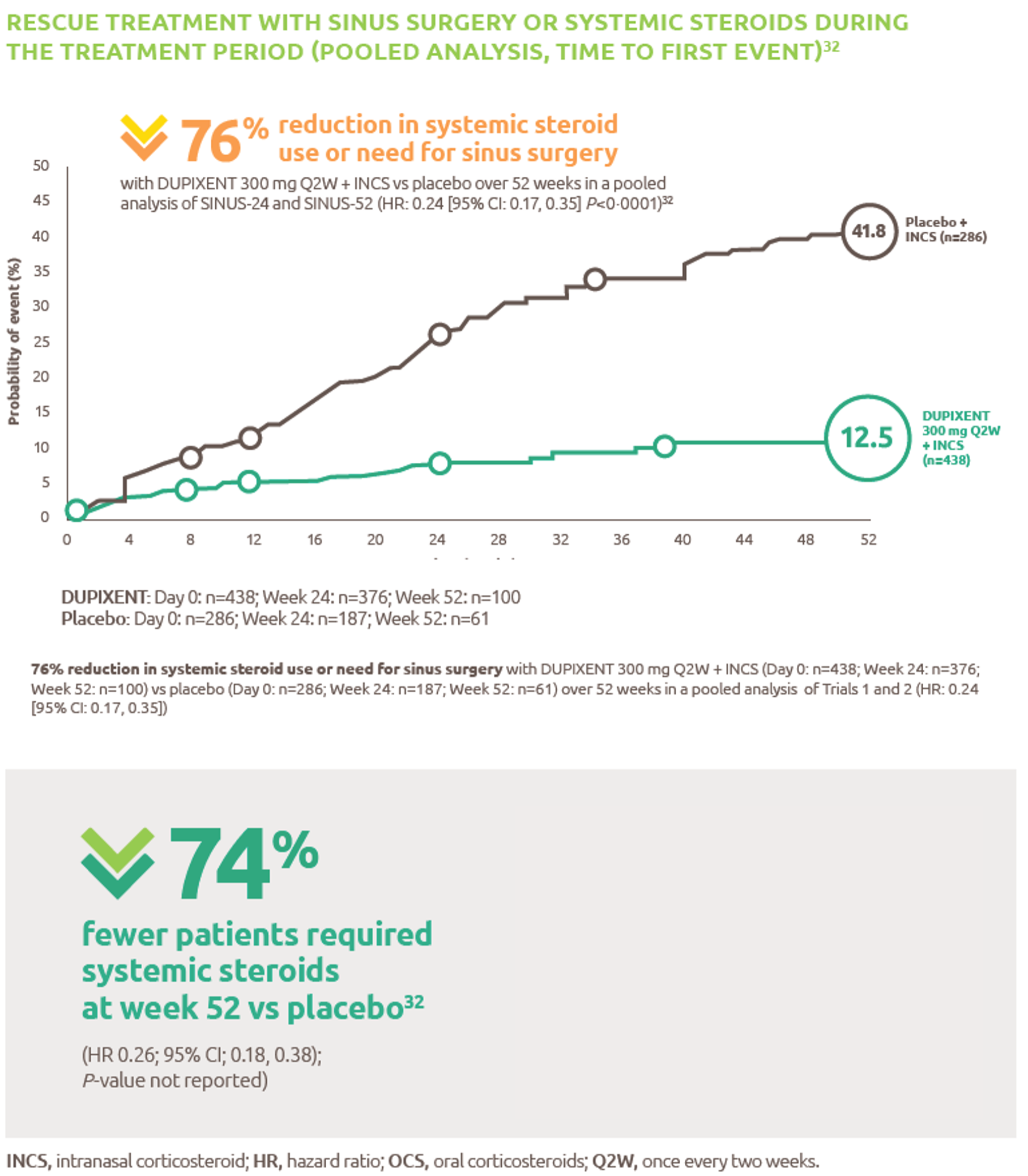
Reduced-need-for-sinus-surgery
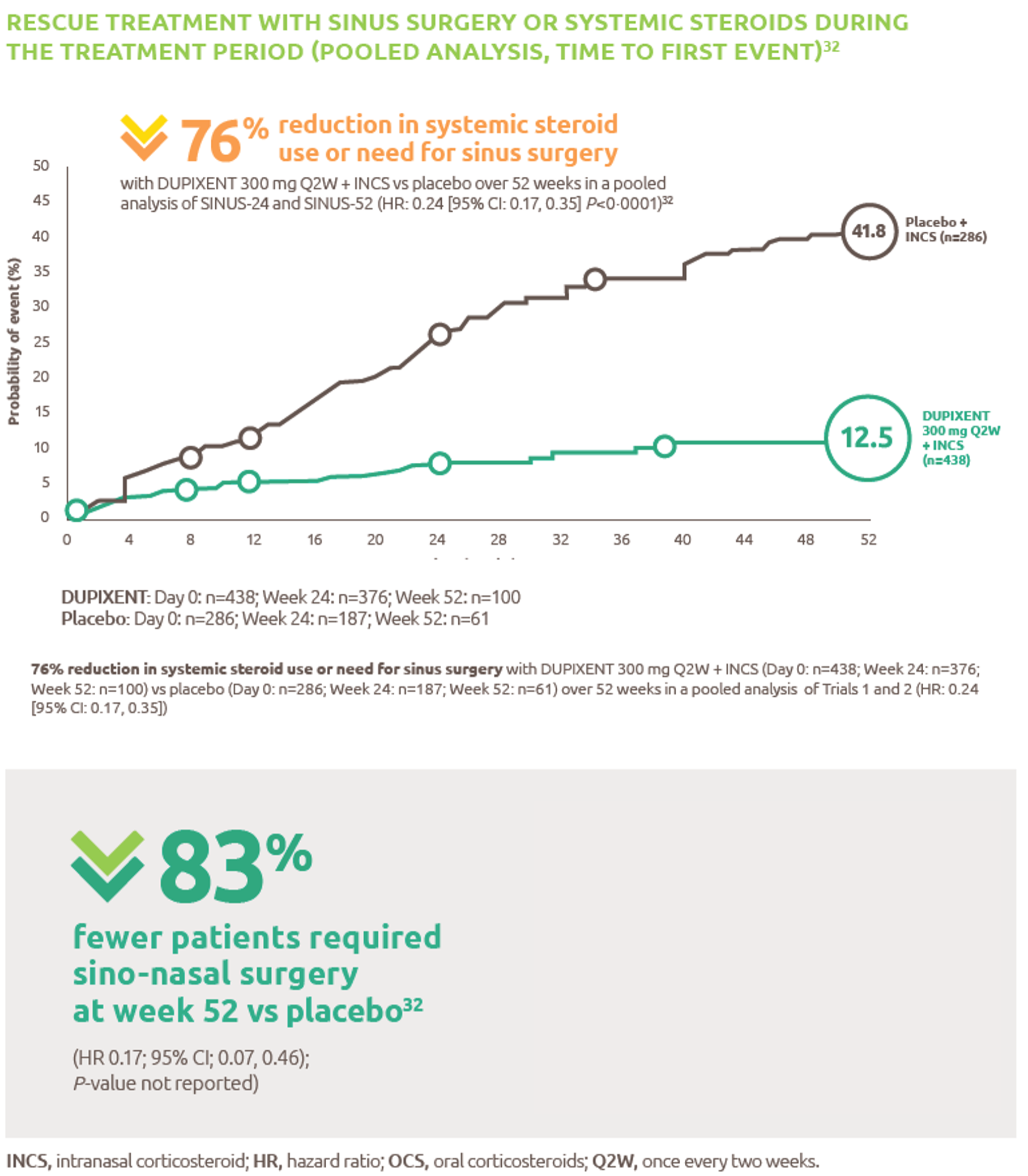
Up-to-45--of-severe-asthma-patients-have-comorbid-CRSwNP
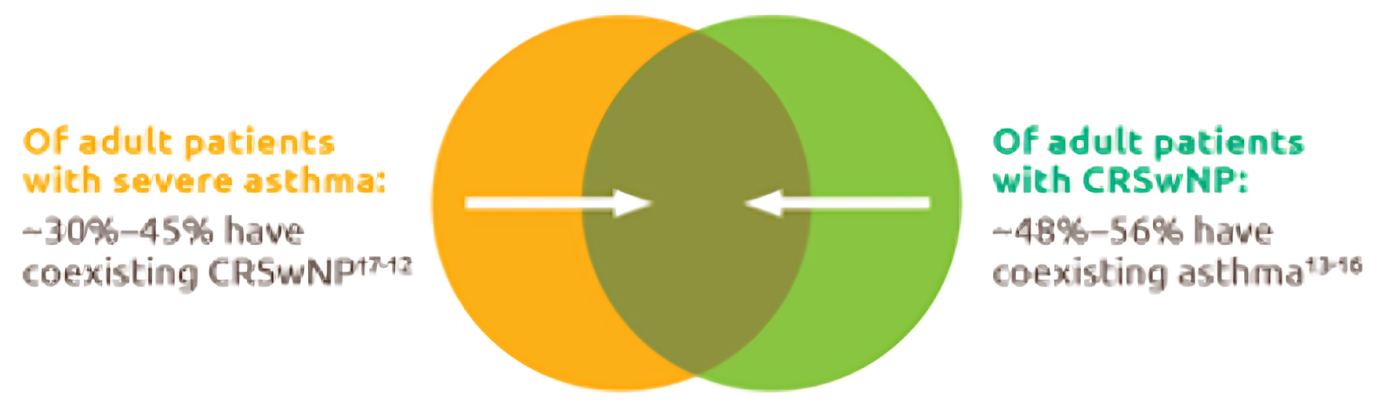
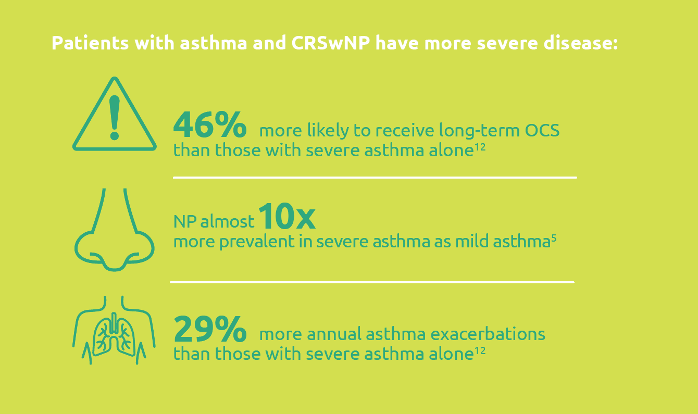
Severe-asthma-with-comorbid-CRSwNP-leads-to-more-severe-disease
.2024-06-04-09-20-31.png)
Less-rescue-oral-corticosteriod-use
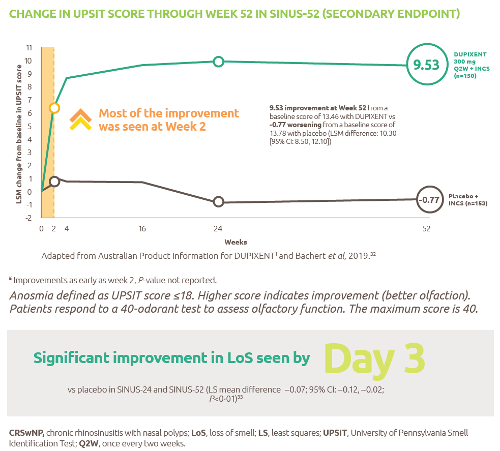
Improved-sense-of-smell
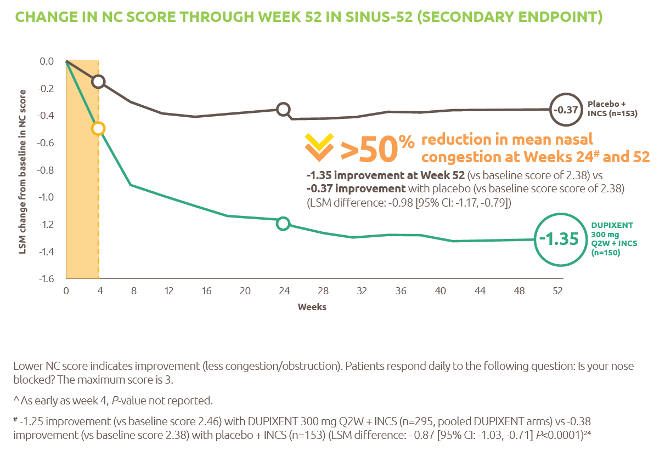
Reduced-obstruction-and-congestion
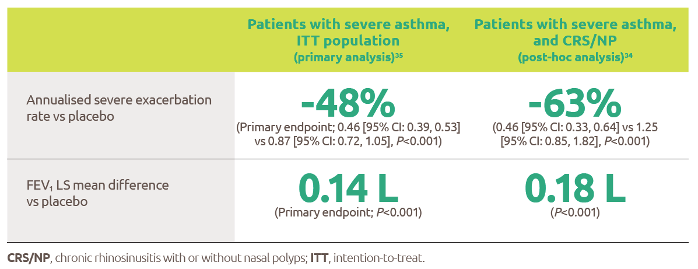
Reduced-asthma-exacerbations-and-improved-lung-function
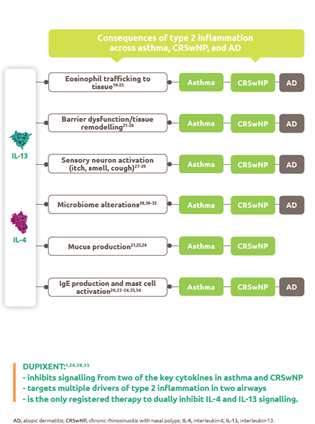
IL-4-and-IL-13-are-key-and-central-drivers-of-type-2-inflammation
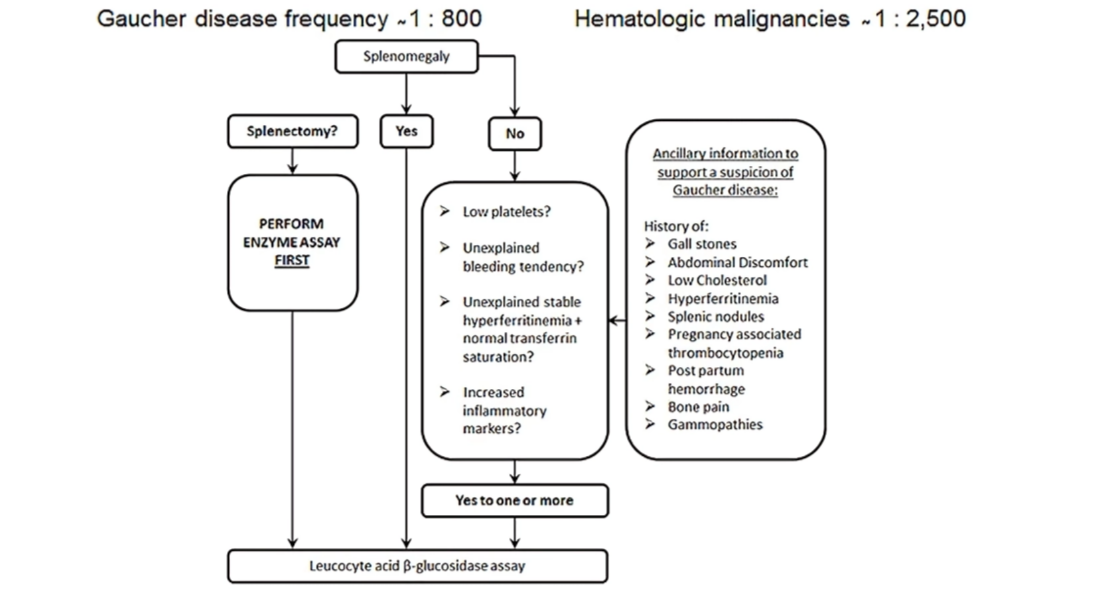
Gaucher-diagnosis-1
RESP-ICT2_Debate_MAT-AU-2301973

RESP-ICT2_Debate_MAT-AU-2301973
RESP-ICT3_Q-A_MAT-AU-2302036

RESP-ICT3_Q&A_MAT-AU-2302036
ASPIRE-ICT1-23_Q-A_MAT-AU-2302791-1

RESP-ICT2_Stone_CS_MAT-AU-2301975

RESP-ICT2_Stone_CS_MAT-AU-2301975
RESP-ICT2_Wark_CS_MAT-AU-2301974
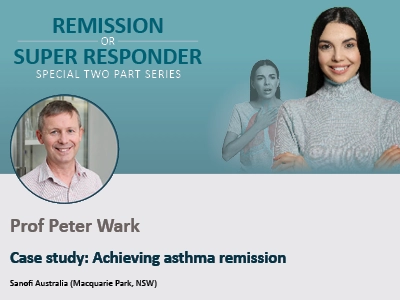
RESP-ICT2_Wark_CS_MAT-AU-2301974
RESP-ICT2_Panel-Discussion_MAT-AU-2301976

RESP-ICT2_Panel-Discussion_MAT-AU-2301976
SANA7993_Safety-Page-Tables_V0.2_1_New3
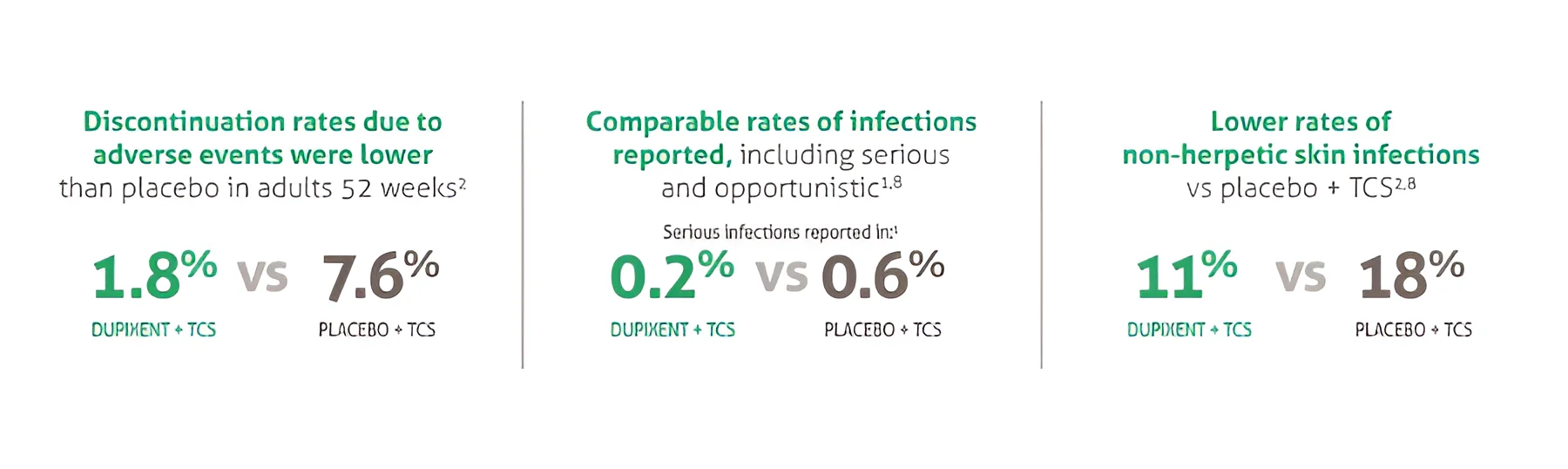
Products_Dermatology_Atopic-Dermatitis_Adverse-Events-Adults_18012021

Le-Cercle---Dr-Christophe-LEFEZ