Does your patient have an existing autoimmune condition? Check for type 1 diabetes!
Individuals living with other associated autoimmune diseases like coeliac disease or autoimmune thyroid disease, are at an increased risk of developing type 1 diabetes (T1D) and should be appropriately screened.1-6
.png/jcr:content/Group%2013468%20(2).png)
Key Takeaway
Concomitant autoimmune conditions may represent additional burden and complications in patients with T1D1
In the US, prevalence of autoimmune diseases is higher in Caucasians and women and tends to rise with advancing age7
T1D confers an increased risk of autoimmune diseases in first-degree relatives1
Shared genetic risk factors and immune system dysregulation are potentially implicated both in polyautoimmunity* and family autoimmunity† among individuals with T1D3
Screening for T1D should be advised in individuals with other associated autoimmune diseases4-6,10
*Polyautoimmunity is the occurrence of ≥2 autoimmune diseases in a single patient; †Family autoimmunity presence of ≥2 autoimmune diseases in members of a nuclear family
Could autoantibodies serve as markers for autoimmunity in T1D?
In some patients, T1D is associated with the presence of additional autoimmune diseases, such as autoimmune thyroid disease, coeliac disease, and Addison’s disease, which could lead to the production of organ-specific autoantibodies.1
Autoantibodies such as insulin autoantibodies (IAA), glutamic acid decarboxylase-65 (GAD-65), islet cell antigen 2 (IA-2), and islet cells autoantibodies (ICA), may be present for years prior to the diagnosis of T1D and could serve as markers of T1D.1
Do other associated autoimmune diseases frequently coexist with T1D?
Concomitant autoimmune conditions may represent additional burden and complications in patients with T1D.3,7 In the US, the prevalence of autoimmune diseases is higher in Caucasians and women and tends to rise with advancing age.7
Please refer to the below figure to know more about the prevalence of other associated autoimmune diseases linked with T1D.
Prevalence of other associated autoimmune diseases linked with T1D1,2
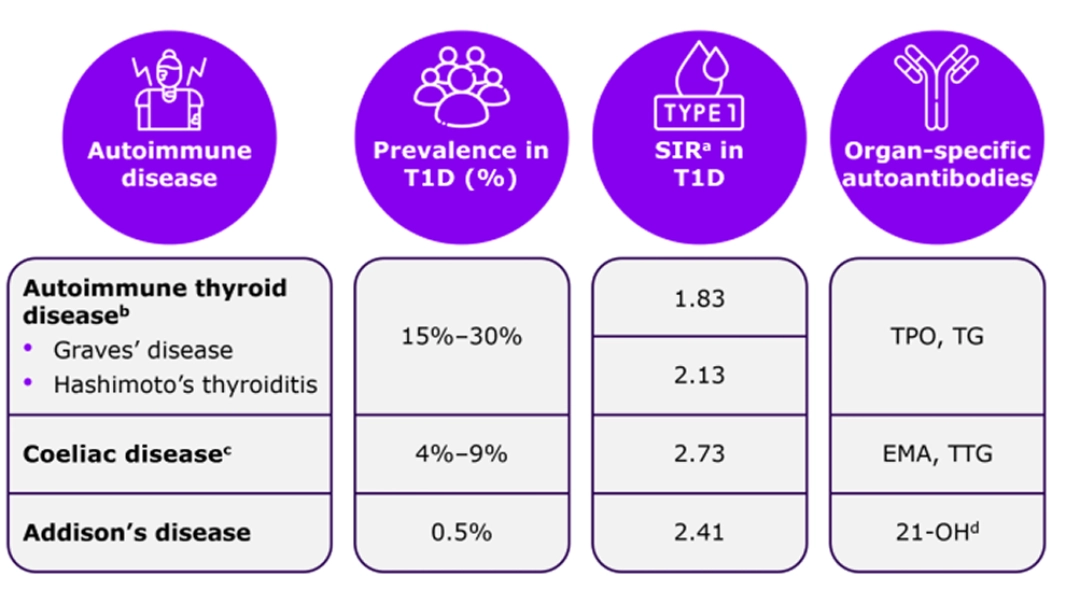
aRatio between observed and expected disease frequency; bPresence of thyroid antibodies among new onset T1D patients is a frequent occurrence; cIndividuals with T1D may require a repeat screening as the first screen is not positive for autoantibodies in a significant proportion; d15% of such individuals may develop it within a relatively short follow-up time. SIR>1: Greater than expected disease frequency
21-OH, 21-hydroxylase; AITD, autoimmune thyroid disease; EMA, endomysial; SIR, Standardised incidence ratio; TG, thyroglobulin; T1D, type 1 diabetes; TPO, thyroid peroxidase; TTG, transglutaminase
Is there a familial association between T1D and other associated autoimmune diseases?
A familial association of T1D with other associated autoimmune diseases has been observed. Several genes linked to T1D risk also increase the chance of other associated autoimmune diseases.8
The inheritance pattern of autoimmune diseases is complex and involves multiple factors, including the consolidated impact of genotype and environmental triggers.2
Risk for T1D
T1D puts first-degree relatives of patients at 1.6-times increased risk. A significant association for singleton siblings was found for T1D (SIR = 2.14).2
Autoantibodies may develop sequentially. First-degree relatives expressing autoantibodies to IAA, GAD-65, and IA-2 had a 75% 5-year risk of diabetes vs 25% 5-year risk in relatives expressing only one of those autoantibodies.1 People diagnosed with Stage 2 T1D have a near 100% lifetime chance of progression to Stage 3 T1D, with 75% of them progressing within five years.9
Risk for other associated autoimmune diseases
Family autoimmunity is characterised by presence of ≥2 autoimmune diseases in members of a nuclear family.2 T1D also confers an increased risk of autoimmune diseases in first-degree relatives, with 8% and <6% developing autoimmune thyroid disease and coeliac disease, respectively.1
In a first population-level study that assessed the familial risks for T1D and a large number of other associated autoimmune diseases using MigMed database found that:8
T1D in offspring was associated with the following diseases in parents:

Individuals with a first-degree relative with T1D have approximately 15-fold increased relative risk of developing T1D1 |
Do common genetic risk factors overlap for the autoimmune diseases?
Shared genetic risk factors and immune system dysregulation are potentially implicated both in polyautoimmunity and family autoimmunity among individuals with T1D.2 Human leukocyte antigen (HLA) genotypes, PTPN22 gene, and cytotoxic T lymphocyte-associated antigen-4 (CTLA-4) — all contribute to the complex interplay of genetic factors in autoimmune diseases that overlap with T1D, as depicted in the below figure.1
| Genotype | Disease association | Additional information |
|
HLA
& DR4-DQ8 |
|
|
|
MHC class I chain related gene A Polymorphism of MIC-A (especially alleles 5 and 5.1)
|
|
|
| Polymorphism of
PTPN22 gene, encoding LYP |
|
N/A |
| CTLA-4 |
|
|
ADA guideline recommendations for screening of autoimmune diseases in T1D
Individuals with an existing autoimmune disease are more prone to develop other associated autoimmune diseases.4-6,10
The 2024 ADA guidelines on Comprehensive Medical Evaluation and Assessment of Comorbidities recommend screening for autoimmune thyroid disease soon after a T1D diagnosis and periodically, thereafter. Additionally, screening for coeliac disease is recommended in the presence of gastrointestinal symptoms, signs, laboratory manifestations, or suspicion of coeliac disease.10
Learn more about screening for autoantibodies to identify individuals at risk for T1D in this article.
Screening for T1D should be advised in individuals with other associated autoimmune diseases, given their higher risk than general population4‑6 |
21-OH, 21-hydroxylase; AITD, autoimmune thyroid disease; CTLA-4, cytotoxic T lymphocyte-associated antigen-4; EMA, endomysial; GAD-65, glutamic acid decarboxylase-65; HLA, human leukocyte antigen; IA-2, islet cell antigen 2; IAA, insulin autoantibodies; ICA, islet cells autoantibodies; LYP, lymphoid tyrosine phosphatase; MIC-A, MHC-I related gene; SIR, Standardised incidence ratio; T1D, type 1 diabetes; TG, thyroglobulin; TPO, thyroid peroxidase; TTG, transglutaminase
- Barker JM. Clinical review: Type 1 diabetes-associated autoimmunity: natural history, genetic associations, and screening. J Clin Endocrinol Metab. 2006;91(4):1210–1217.
- Cardenas-Roldan J, Rojas-Villarraga A, Anaya JM. How do autoimmune diseases cluster in families? A systematic review and meta-analysis. BMC Med. 2013;11:73.
- Glowinska-Olszewska B, Szablowski M, Panas P, et al. Increasing co-occurrence of additional autoimmune disorders at diabetes type 1 onset among children and adolescents diagnosed in years 2010-2018-single-center study. Front Endocrinol (Lausanne). 2020;11:476.
- Ferrari SM, Fallahi P, Ruffilli I, Elia G, Ragusa F, Benvenga S, Antonelli A. The association of other autoimmune diseases in patients with Graves' disease (with or without ophthalmopathy): Review of the literature and report of a large series. Autoimmun Rev. 2019 Mar;18(3):287-292.
- Zelissen PM, Bast EJ, Croughs RJ. Associated autoimmunity in Addison's disease. J Autoimmun. 1995 Feb;8(1):121-30.
- Lauret E, Rodrigo L. Celiac disease and autoimmune-associated conditions. Biomed Res Int. 2013;2013:127589.
- Bao YK, Weide LG, Ganesan VC, et al. High prevalence of comorbid autoimmune diseases in adults with type 1 diabetes from the HealthFacts database. J Diabetes. 2019;11(4):273–279.
- Hemminki K, Li X, Sundquist J, Sundquist K. Familial association between type 1 diabetes and other autoimmune and related diseases. Diabetologia. 2009;52(9):1820-8.
- Besser REJ, Bell KJ, Couper JJ, et al. ISPAD clinical practice consensus guidelines 2022: Stages of type 1 diabetes in children and adolescents. Pediatr Diabetes. 2022;23:1175-87.
- American Diabetes Association Professional Practice C. 4. Comprehensive medical evaluation and assessment of comorbidities: Standards of care in diabetes-2024. Diabetes Care. 2024;47(Suppl 1):S52–S76.
Waddling-Gait---Robert,-28-year-old-mild-LOPD-patient

Waddling Gait - Robert, 28-year-old mild LOPD patient
Reaching-Overhead---Robert,-28-year-old-mild-LOPD-patient

Reaching Overhead - Robert, 28-year-old mild LOPD patient
Standing-From-Sitting---Robert,-28-year-old-mild-LOPD-patient

Standing From Sitting - Robert, 28-year-old mild LOPD patient
Climbing-Stairs---Robert,-28-year-old-mild-LOPD-patient
Climbing Stairs - Robert, 28-year-old mild LOPD patient
Waddling-Gait---Karen,-18-year-old-moderate-LOPD-patient
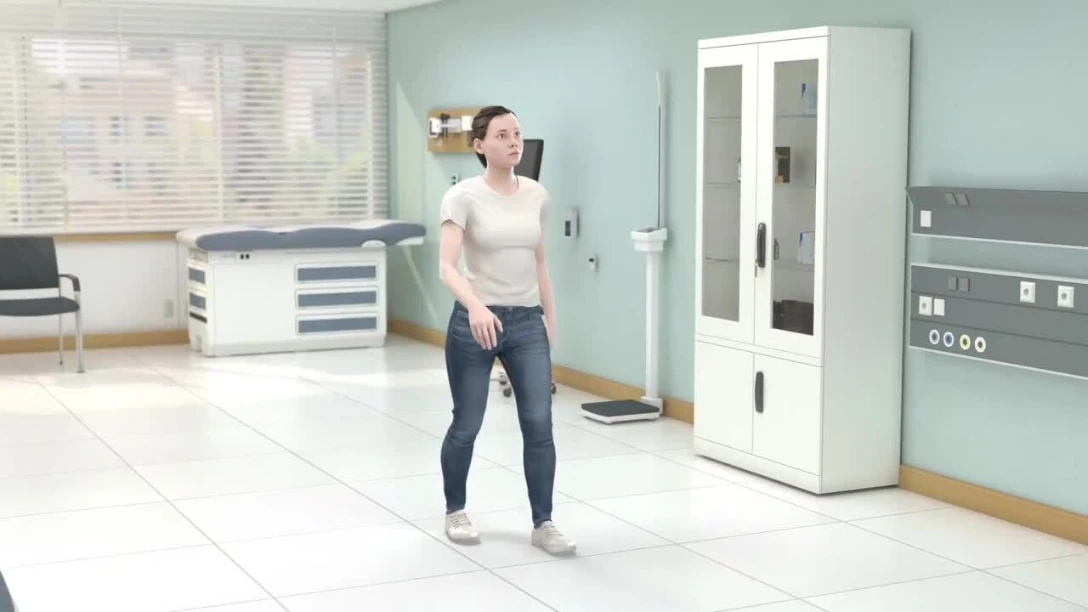
Waddling Gait - Karen, 18-year-old moderate LOPD patient
Reaching-Overhead---Karen,-18-year-old-moderate-LOPD-patient

Reaching Overhead - Karen, 18-year-old moderate LOPD patient
Standing-From-Sitting---Karen,-18-year-old-moderate-LOPD-patient

Standing From Sitting - Karen, 18-year-old moderate LOPD patient
Climbing-Stairs---Karen,-18-year-old-moderate-LOPD-patient

Climbing Stairs - Karen, 18-year-old moderate LOPD patient
ASPIRE-ICT-1-23_Harrington_MAT-AU-2302788-1

ASPIRE-ICT-1-23_Kyle-Blakey_MAT-AU-2302789-1

Which-biologic-and-why--When-to-switch-to-another-one-

Waddling-Gait---Brian,-44-year-old-severe-LOPD-patient
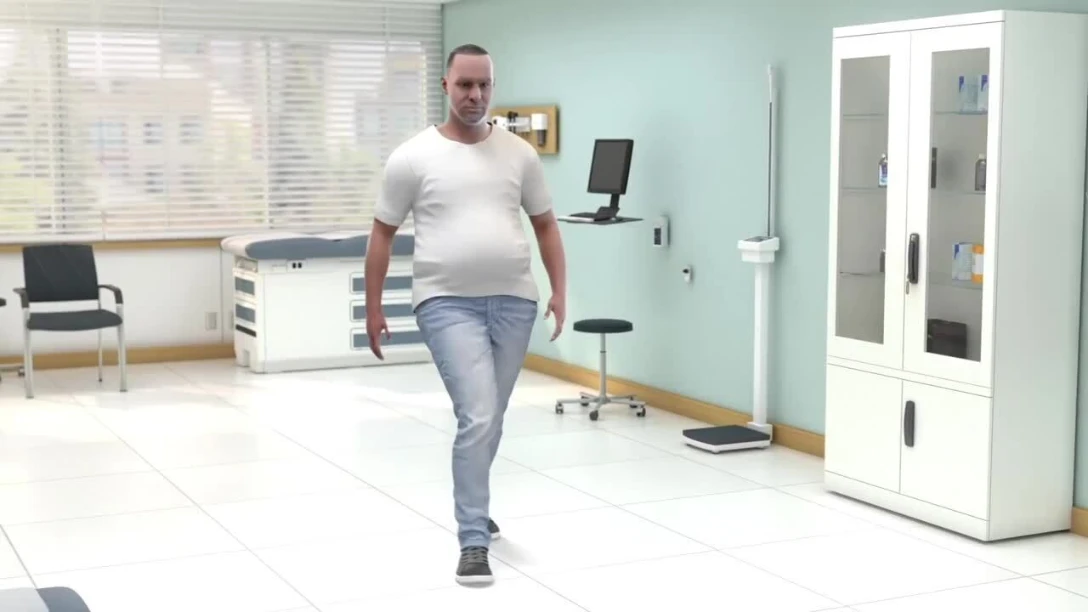
Waddling Gait - Brian, 44-year-old severe LOPD patient
Reaching-Overhead---Brian,-44-year-old-severe-LOPD-patient

Reaching Overhead - Brian, 44-year-old severe LOPD patient
Standing-From-Sitting---Brian,-44-year-old-severe-LOPD-patient
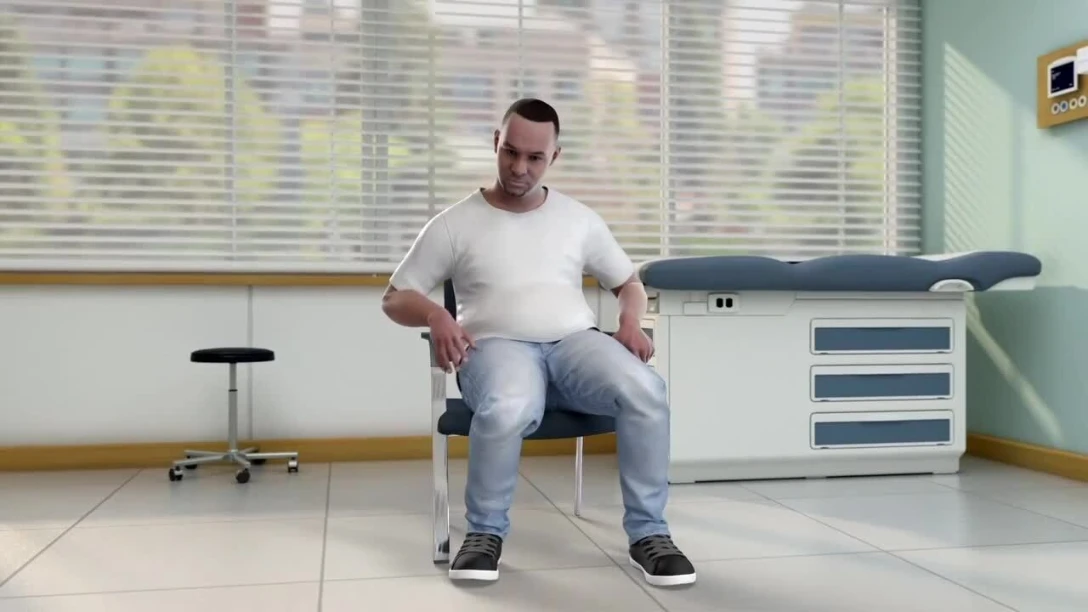
Standing From Sitting - Brian, 44-year-old severe LOPD patient
Climbing-Stairs---Brian,-44-year-old-severe-LOPD-patient

Climbing Stairs - Brian, 44-year-old severe LOPD patient
RESP-ICT2_Wark_MAT-AU-2301970
.webp/jcr:content/RESP-ICT2-Wark_400X300%20(1).webp)
RESP-ICT2_Wark_MAT-AU-2301970
RESP-ICT2_Stone_MAT-AU-2301972
.webp/jcr:content/RESP-ICT2-Stone_400X300%20(1).webp)
RESP-ICT2_Stone_MAT-AU-2301972
Remission-in-rheumatology---Dr-Michelle-Tellus
.webp/jcr:content/RESP-ICT2-Tellus_400X300%20(1).webp)
Remission in rheumatology - Dr Michelle Tellus
Pavord_MAT-AU-2300571

Pavord_MAT-AU-2300571
Wark_MAT-AU-2300572

Wark_MAT-AU-2300572
Q-A-Discussion_MAT-AU-2300573

Q&A-Discussion_MAT-AU-2300573
RESP-ICT3_Tellus_MAT-AU-2302033
RESP-ICT3_Tellus_MAT-AU-2302033
RESP-ICT3_Lee_MAT-AU-2302034

RESP-ICT3_Lee_MAT-AU-2302034
RESP-ICT3_Hew_MAT-AU-2302035

RESP-ICT3_Hew_MAT-AU-2302035
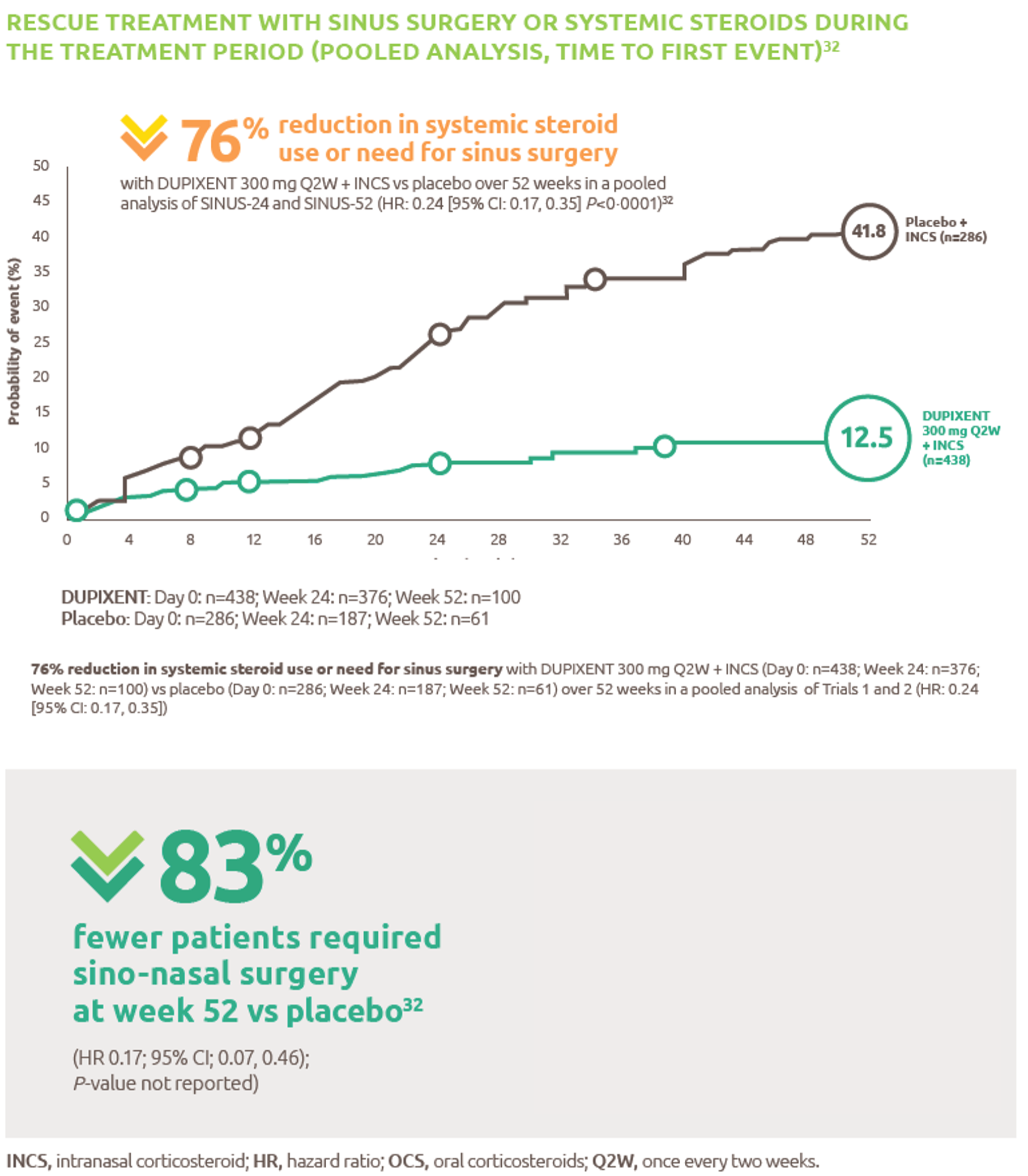
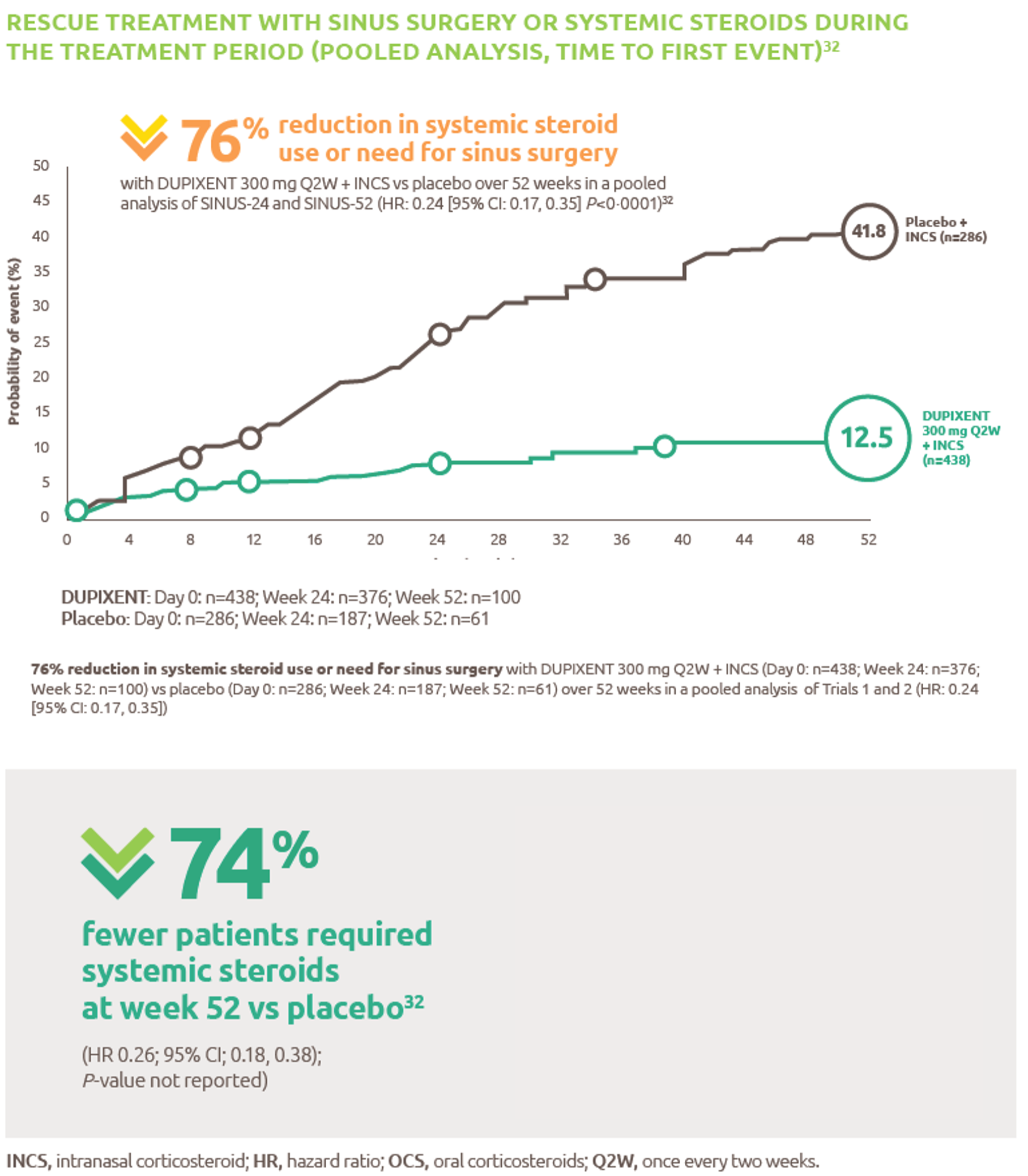
Reduced-need-for-sinus-surgery
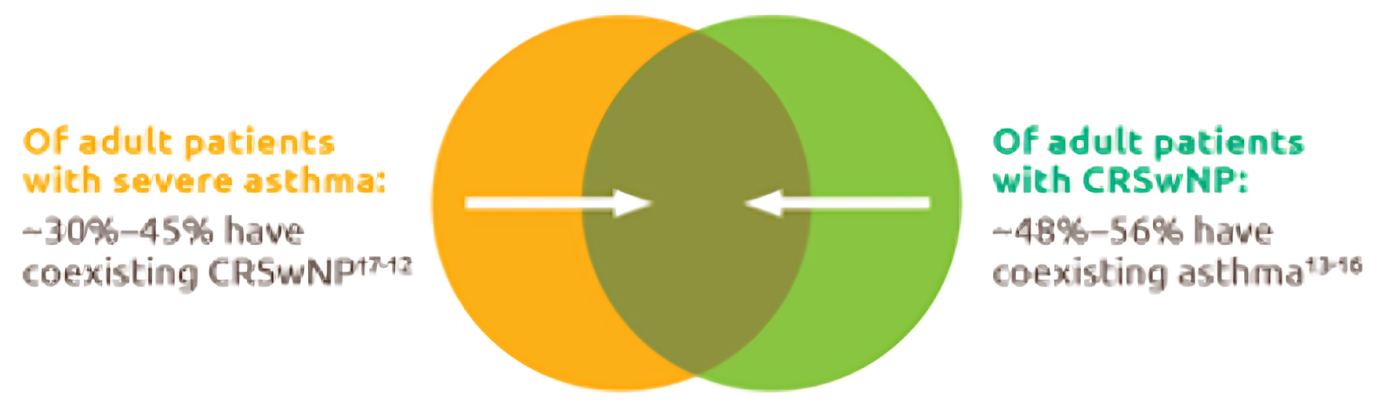
Up-to-45--of-severe-asthma-patients-have-comorbid-CRSwNP
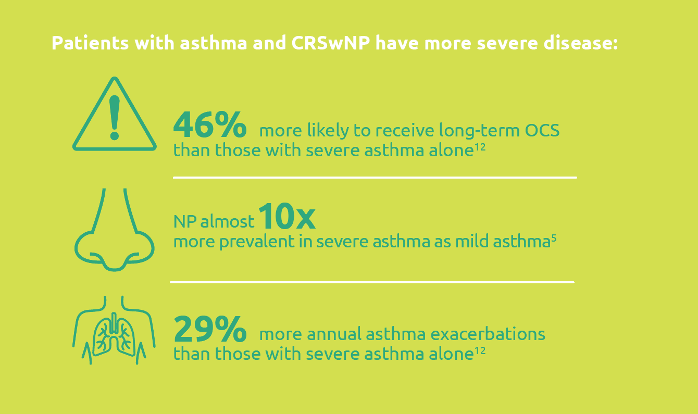
Severe-asthma-with-comorbid-CRSwNP-leads-to-more-severe-disease
.2024-06-04-09-20-31.png)
Less-rescue-oral-corticosteriod-use
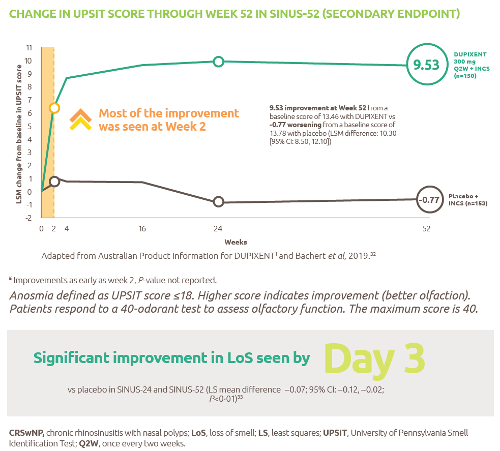
Improved-sense-of-smell
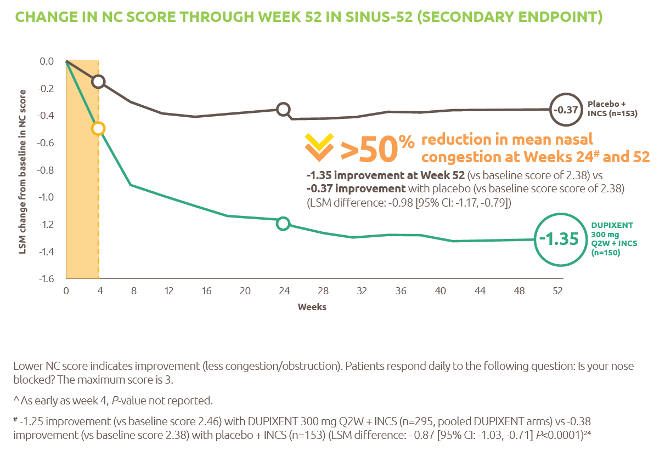
Reduced-obstruction-and-congestion
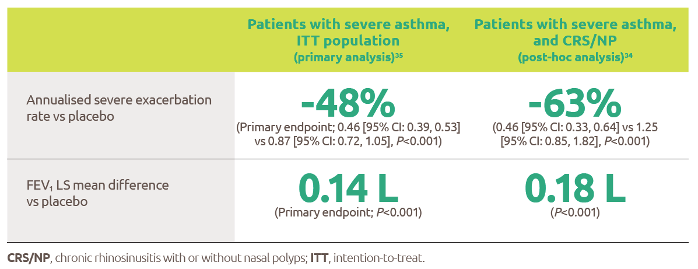
Reduced-asthma-exacerbations-and-improved-lung-function
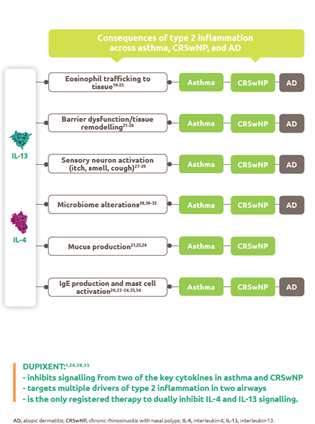
IL-4-and-IL-13-are-key-and-central-drivers-of-type-2-inflammation
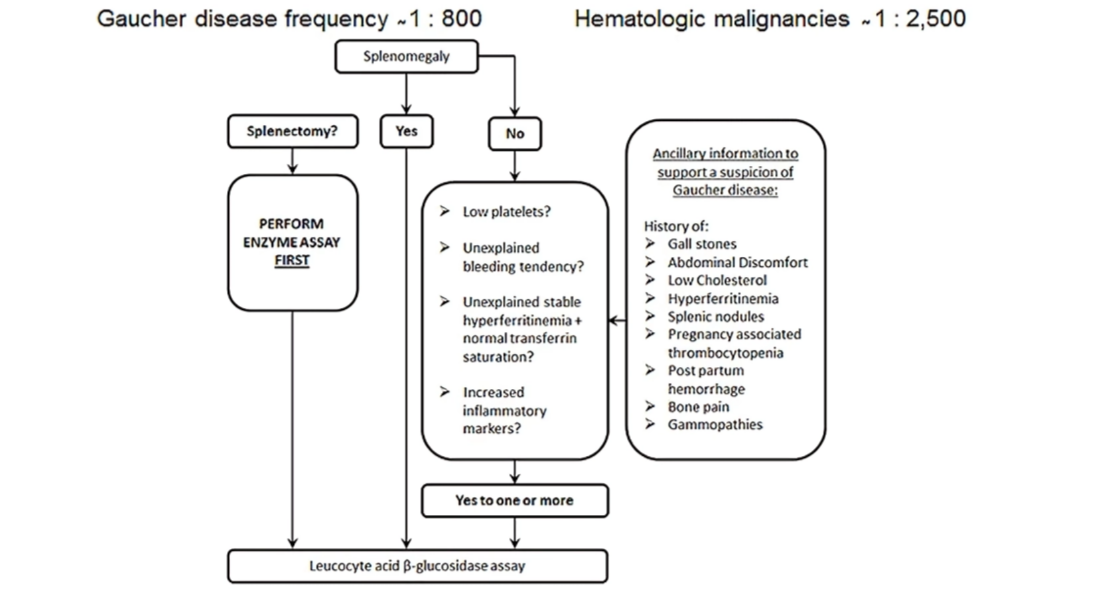
Gaucher-diagnosis-1
RESP-ICT2_Debate_MAT-AU-2301973
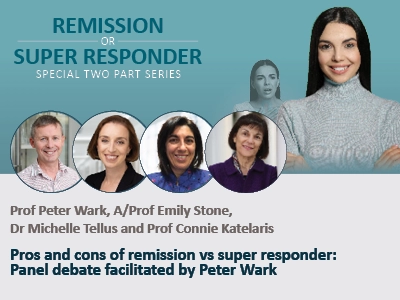
RESP-ICT2_Debate_MAT-AU-2301973
RESP-ICT3_Q-A_MAT-AU-2302036

RESP-ICT3_Q&A_MAT-AU-2302036
ASPIRE-ICT1-23_Q-A_MAT-AU-2302791-1

RESP-ICT2_Stone_CS_MAT-AU-2301975

RESP-ICT2_Stone_CS_MAT-AU-2301975
RESP-ICT2_Wark_CS_MAT-AU-2301974
RESP-ICT2_Wark_CS_MAT-AU-2301974
RESP-ICT2_Panel-Discussion_MAT-AU-2301976

RESP-ICT2_Panel-Discussion_MAT-AU-2301976
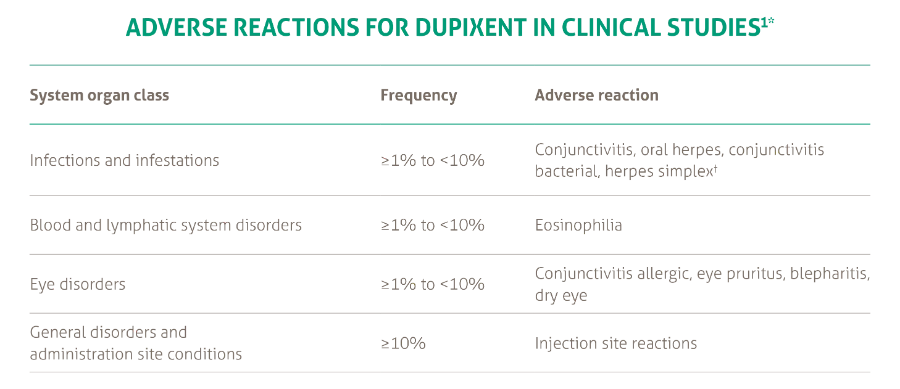
SANA7993_Safety-Page-Tables_V0.2_1_New3
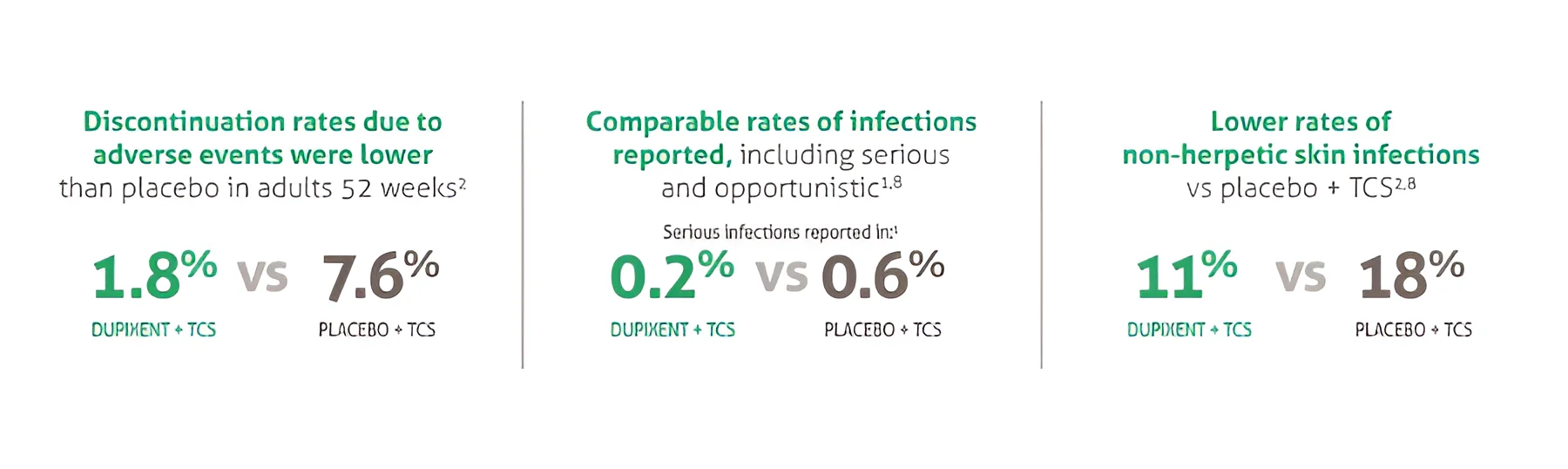
Products_Dermatology_Atopic-Dermatitis_Adverse-Events-Adults_18012021
Le-Cercle---Dr-Christophe-LEFEZ