Real-life stories from people living with T1D
The progression of type 1 diabetes (T1D) is gradual, often detectable months or even years before symptoms arise.1–3 Through proactive screening, the condition can be identified well in advance.3 Meet our ambassadors living with T1D and discover the risk factors to look out for when considering who to screen.
.png/jcr:content/Group%2013468%20(3).png)
Meet Aïcha
Aïcha, a 53-year-old mother of three teenagers, was diagnosed with T1D in her late 40s. The condition was not unfamiliar to her, as her sister had been diagnosed with it many years earlier at age 12. Aïcha's journey with T1D continued with her twin boys also having the condition, while her daughter, thankfully, screened negative, offering some much-needed relief.

It’s important to recognise that people, like Aïcha, who have a first-degree relative with T1D, have up to 15x higher risk of developing the condition compared to the general population.4 Proactively screening for T1D in those with a known family history of the condition may allow detection before symptoms arise.*5–7
Meet Korey
A licensed clinical psychologist and part of the diabetes care team at Stanford University, Korey lives with T1D, alongside coeliac disease and an autoimmune thyroid condition. His diagnoses have resulted in dietary restrictions that can make social gatherings tricky. Familiar with the lifestyle adaptations needed for life with T1D, Korey is a keen advocate for screening and has already had his eldest tested for the condition.

People like Korey demonstrate the high degree of co-occurrence between T1D and other autoimmune conditions. Of those living with T1D, up to 9% also have coeliac disease, and up to 30% also have autoimmune thyroid conditions.8,9 Understanding the genetic link between certain autoimmune conditions can help you identify which patients to screen as a priority.
Meet Alizée
Meet Alizée, a 30-year-old woman living with T1D. With no family history of the condition and no other risk factors, her diagnosis at 19 years old came unexpectedly.

Although people with a family history of T1D are at a significantly higher risk of developing the condition, the majority (~90%) of new diagnoses occur in people like Alizée, who have no family history of the condition.†4,10 So, while some risk factors may position some individuals as higher priority screening candidates, it’s important to understand that everyone could have the opportunity for earlier identification of T1D through universal screening once such programs become available.
Meet Veerle
Veerle is 34 years old and was diagnosed with T1D after an initial misdiagnosis of type 2 diabetes. She was the first in her family to be diagnosed with T1D but has distant cousins who have since been diagnosed too.

In a retrospective US study, ~40% of adults with T1D were initially misdiagnosed with another condition, with 77% of these cases being misdiagnosed as type 2 diabetes.‡11 Misdiagnosis can delay proper insulin replacement therapy, resulting in prolonged hyperglycaemia and increasing the risk of diabetic ketoacidosis (DKA).11 This underpins the importance of considering T1D in certain individuals suspected as presenting with type 2 diabetes.
Understanding the importance of proactive screening can transform the lives of those with T1D, protecting more people from the potential dangers of a later diagnosis.5–7,12,13
With timely diagnosis, it is estimated that an additional ~670,000 lives could be saved by 2040.14,15 |
While people from all backgrounds can develop T1D, regardless of age or family history,10,16 being vigilant about the risk factors can help you identify which patients should be prioritised for screening.1,8,9
GET 1 STEP AHEAD OF T1D THROUGH SCREENING.
DKA, diabetic ketoacidosis; T1D, type 1 diabetes
*The T1D index is a data simulation tool designed to measure and map the human and public health impact of T1D.14,15
†In a population-based observational study of 57,371 young individuals with T1D across Germany, Austria, Switzerland and Luxembourg (using data from the Diabetes Prospective Follow-up Registry between 1995 and 2018), 53,606 (93.4%) had no family history of T1D.10
‡In a retrospective online survey of patients with T1D and caregivers of patients with T1D in the US, a diagnosis of T1D was missed in 38.6% of those diagnosed at ≥18 years of age. Of those patients, 76.8% were initially diagnosed with type 2 diabetes.11
- DiMeglio LA, Evans-Molina C and Oram RA. Lancet. 2018;391(10138):2449-2462.
- Insel RA, Dunne JL, Atkinson MA, et al. Diabetes Care. 2015;38(10):1964-1974.
- Ospelt E, Hardison H, Rioles N, et al. Clin Diabetes. 2024;42(1):17-26.
- Besser REJ, Bell KJ, Couper JJ, et al. Pediatr Diabetes. 2022;23(8):1175-1187.
- Narendran P. Diabetologia. 2019;62(1):24-27.
- Raab J, Haupt F, Scholz M, et al. BMJ Open. 2016;6(5):e011144.
- Sims EK, Besser REJ, Dayan C, et al. Diabetes. 2022;71(4):610-623.
- Barker JM. J Clin Endocrinol Metab. 2006;91(4):1210-1217.
- Głowińska-Olszewska B, Szabłowski M, Panas P, et al. Front Endocrinol (Lausanne). 2020;11:476.
- Karges B, Prinz N, Placzek K, et al. Diabetes Care. 2021;44(5):1116-1124.
- Muñoz C, Floreen A, Garey C, et al. Clin Diabetes. 2019;37(3):276-281.
- Wolfsdorf JI, Glaser N, Agus M, et al. Pediatr Diabetes. 2018;19 Suppl 27:155-177.
- Besser REJ, Ng SM, Gregory JW, et al. Arch Dis Child. 2022;107(9):790-795.
- Type 1 Diabetes Index. T1D Index Factsheet: GLOBAL. Accessed August 5, 2024. https://t1dindex.shinyapps.io/dashboard/
- Type 1 Diabetes Index. A campaign guide to launch the T1D Index. Accessed August 5, 2024. https://www.t1dindex.org/wpcontent/uploads/2022/09/Campaign-Guide.pptx-2.pdf
- Gregory GA, Robinson TIG, Linklater SE, et al. Lancet Diabetes Endocrinol. 2022;10(10):741-760.
You must be a healthcare provider to continue reading this content.
Are you a healthcare provider?
Register for exclusive access to the latest news, breakthrough science and resources to improve your patients lives.
This content is intended for Healthcare Professionals only. Please login to access the content
HCP Verification Required
The account is under identity verification process and it will be completed within 48 hours upon your registration. At the end you will receive a confirmation email and you will be able to access the area dedicated to you.
Email Verification Required
The email has been sent again!
Access Denied
This page is for doctors and healthcare professionals in Australia only.
Welcome to Sanofi Campus
You are almost set!
Thank you very much for filling in the form. We have sent you a validation link to the email address you have provided.
Please click on the link in the email and activate your account.
Waddling-Gait---Robert,-28-year-old-mild-LOPD-patient
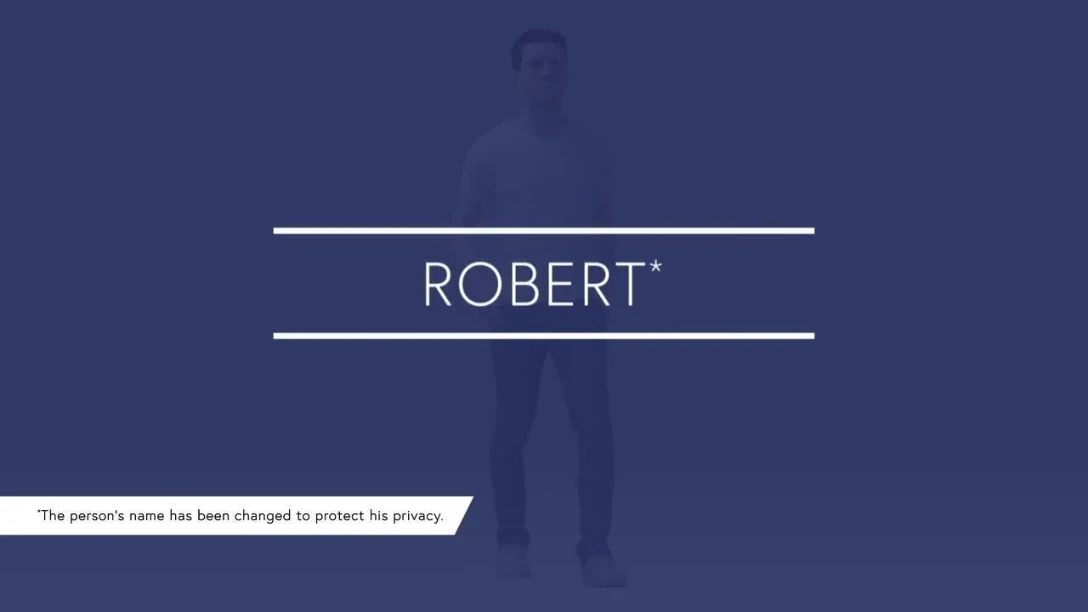
Waddling Gait - Robert, 28-year-old mild LOPD patient
Reaching-Overhead---Robert,-28-year-old-mild-LOPD-patient

Reaching Overhead - Robert, 28-year-old mild LOPD patient
Standing-From-Sitting---Robert,-28-year-old-mild-LOPD-patient

Standing From Sitting - Robert, 28-year-old mild LOPD patient
Climbing-Stairs---Robert,-28-year-old-mild-LOPD-patient
Climbing Stairs - Robert, 28-year-old mild LOPD patient
Waddling-Gait---Karen,-18-year-old-moderate-LOPD-patient
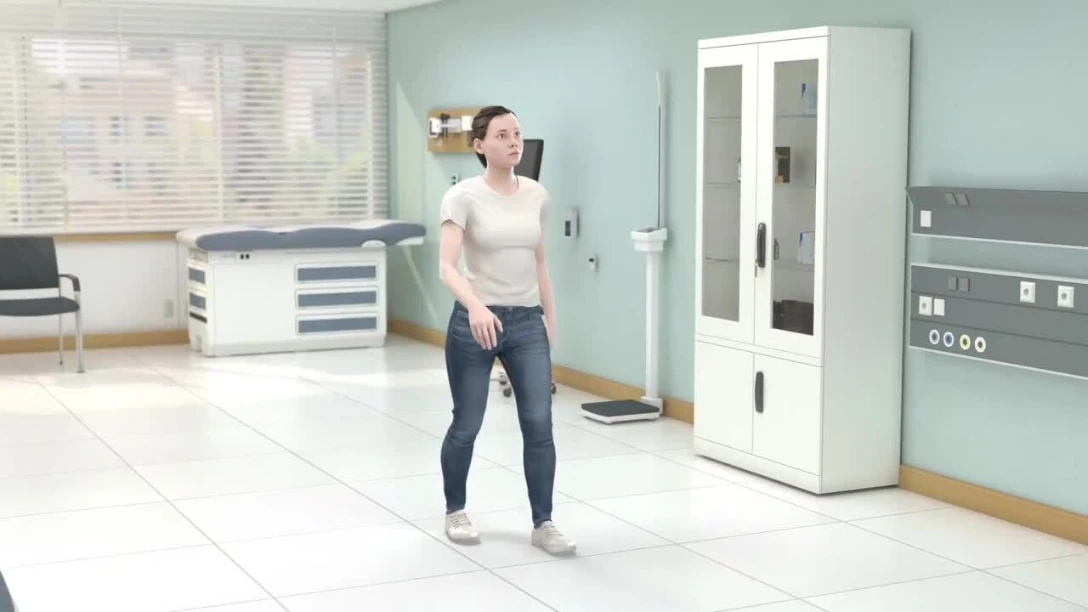
Waddling Gait - Karen, 18-year-old moderate LOPD patient
Reaching-Overhead---Karen,-18-year-old-moderate-LOPD-patient

Reaching Overhead - Karen, 18-year-old moderate LOPD patient
Standing-From-Sitting---Karen,-18-year-old-moderate-LOPD-patient
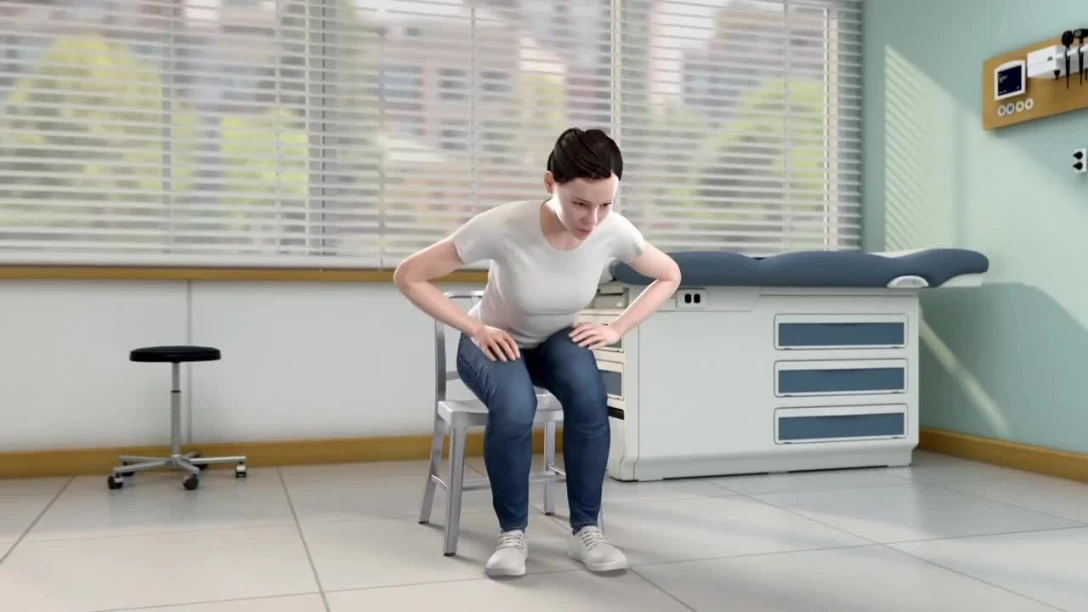
Standing From Sitting - Karen, 18-year-old moderate LOPD patient
Climbing-Stairs---Karen,-18-year-old-moderate-LOPD-patient

Climbing Stairs - Karen, 18-year-old moderate LOPD patient
ASPIRE-ICT-1-23_Harrington_MAT-AU-2302788-1

ASPIRE-ICT-1-23_Kyle-Blakey_MAT-AU-2302789-1

Which-biologic-and-why--When-to-switch-to-another-one-

Waddling-Gait---Brian,-44-year-old-severe-LOPD-patient
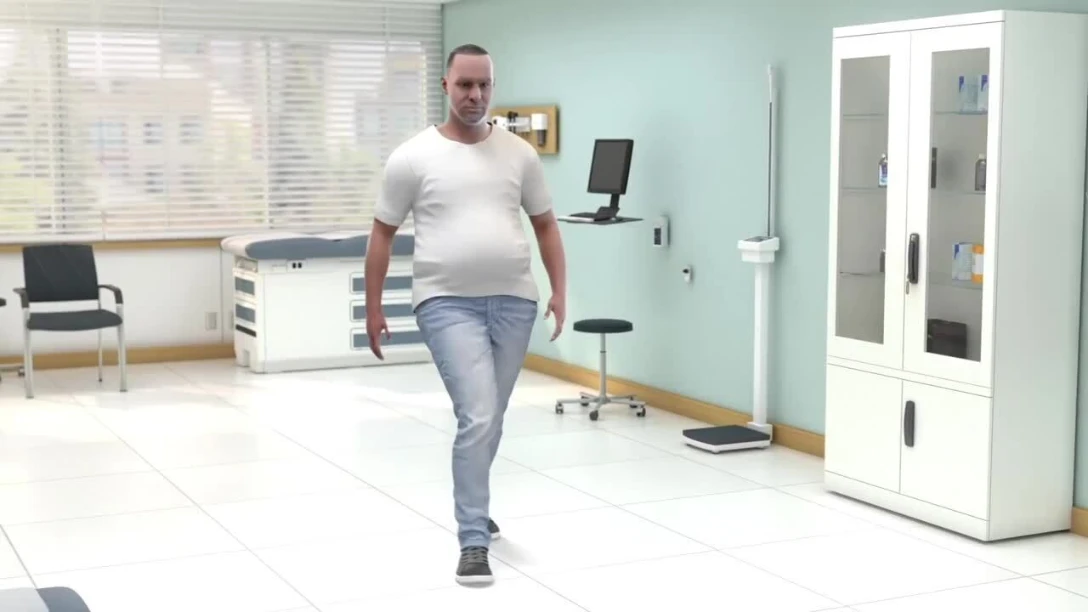
Waddling Gait - Brian, 44-year-old severe LOPD patient
Reaching-Overhead---Brian,-44-year-old-severe-LOPD-patient

Reaching Overhead - Brian, 44-year-old severe LOPD patient
Standing-From-Sitting---Brian,-44-year-old-severe-LOPD-patient
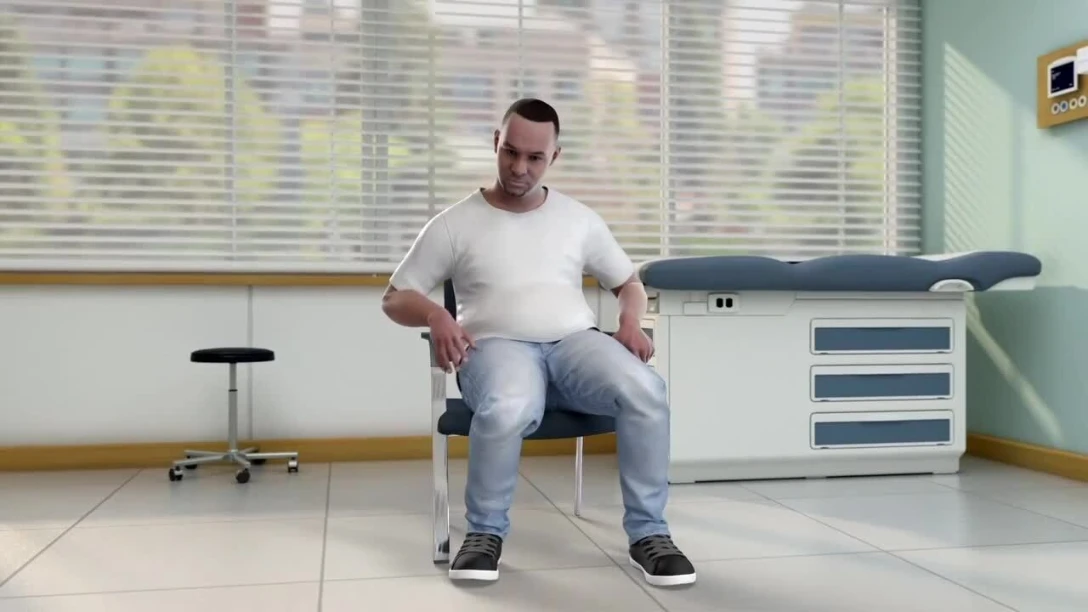
Standing From Sitting - Brian, 44-year-old severe LOPD patient
Climbing-Stairs---Brian,-44-year-old-severe-LOPD-patient

Climbing Stairs - Brian, 44-year-old severe LOPD patient
RESP-ICT2_Wark_MAT-AU-2301970
.webp/jcr:content/RESP-ICT2-Wark_400X300%20(1).webp)
RESP-ICT2_Wark_MAT-AU-2301970
RESP-ICT2_Stone_MAT-AU-2301972
.webp/jcr:content/RESP-ICT2-Stone_400X300%20(1).webp)
RESP-ICT2_Stone_MAT-AU-2301972
Remission-in-rheumatology---Dr-Michelle-Tellus
.webp/jcr:content/RESP-ICT2-Tellus_400X300%20(1).webp)
Remission in rheumatology - Dr Michelle Tellus
Pavord_MAT-AU-2300571

Pavord_MAT-AU-2300571
Wark_MAT-AU-2300572

Wark_MAT-AU-2300572
Q-A-Discussion_MAT-AU-2300573

Q&A-Discussion_MAT-AU-2300573
RESP-ICT3_Tellus_MAT-AU-2302033
RESP-ICT3_Tellus_MAT-AU-2302033
RESP-ICT3_Lee_MAT-AU-2302034

RESP-ICT3_Lee_MAT-AU-2302034
RESP-ICT3_Hew_MAT-AU-2302035
RESP-ICT3_Hew_MAT-AU-2302035
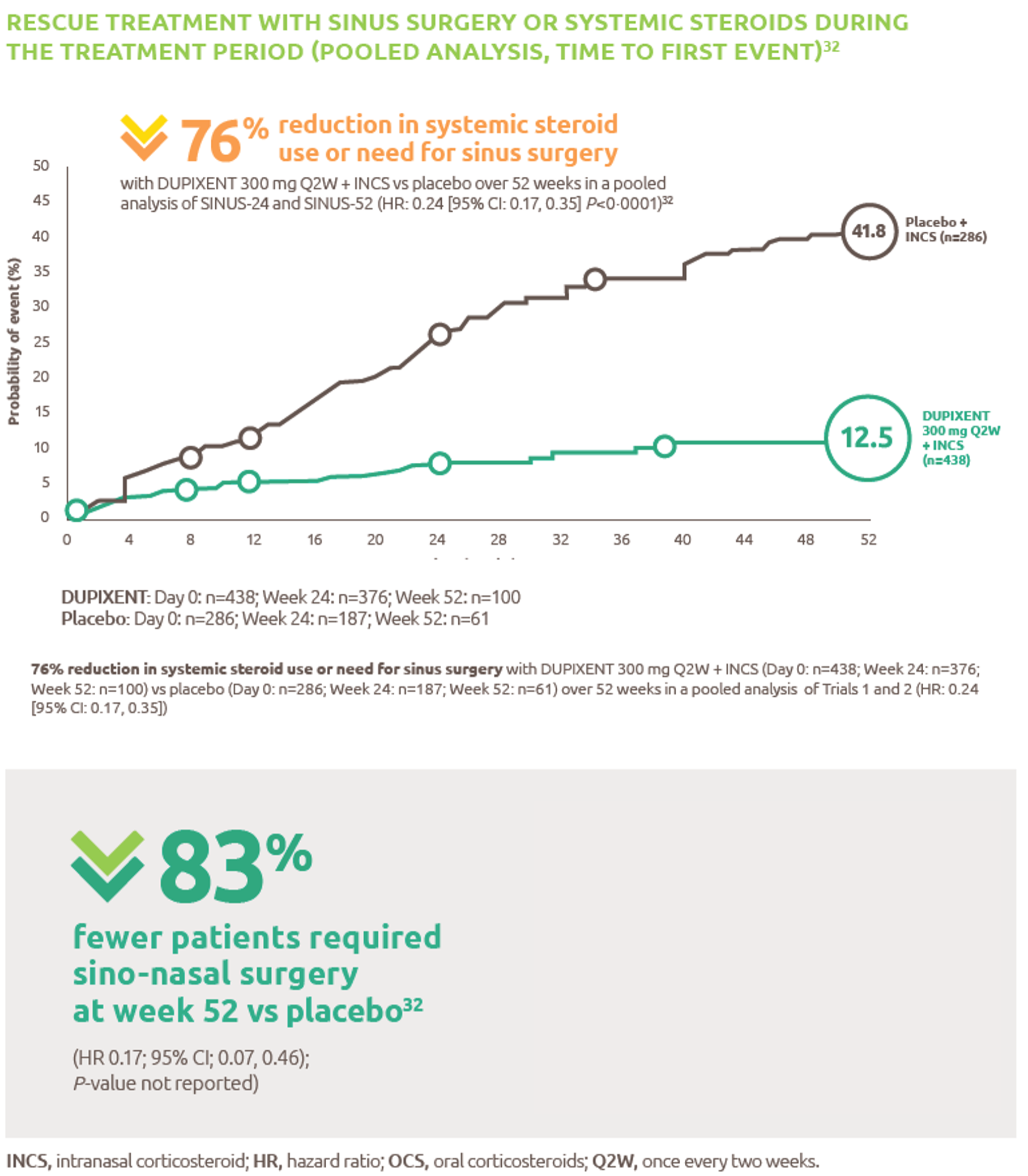
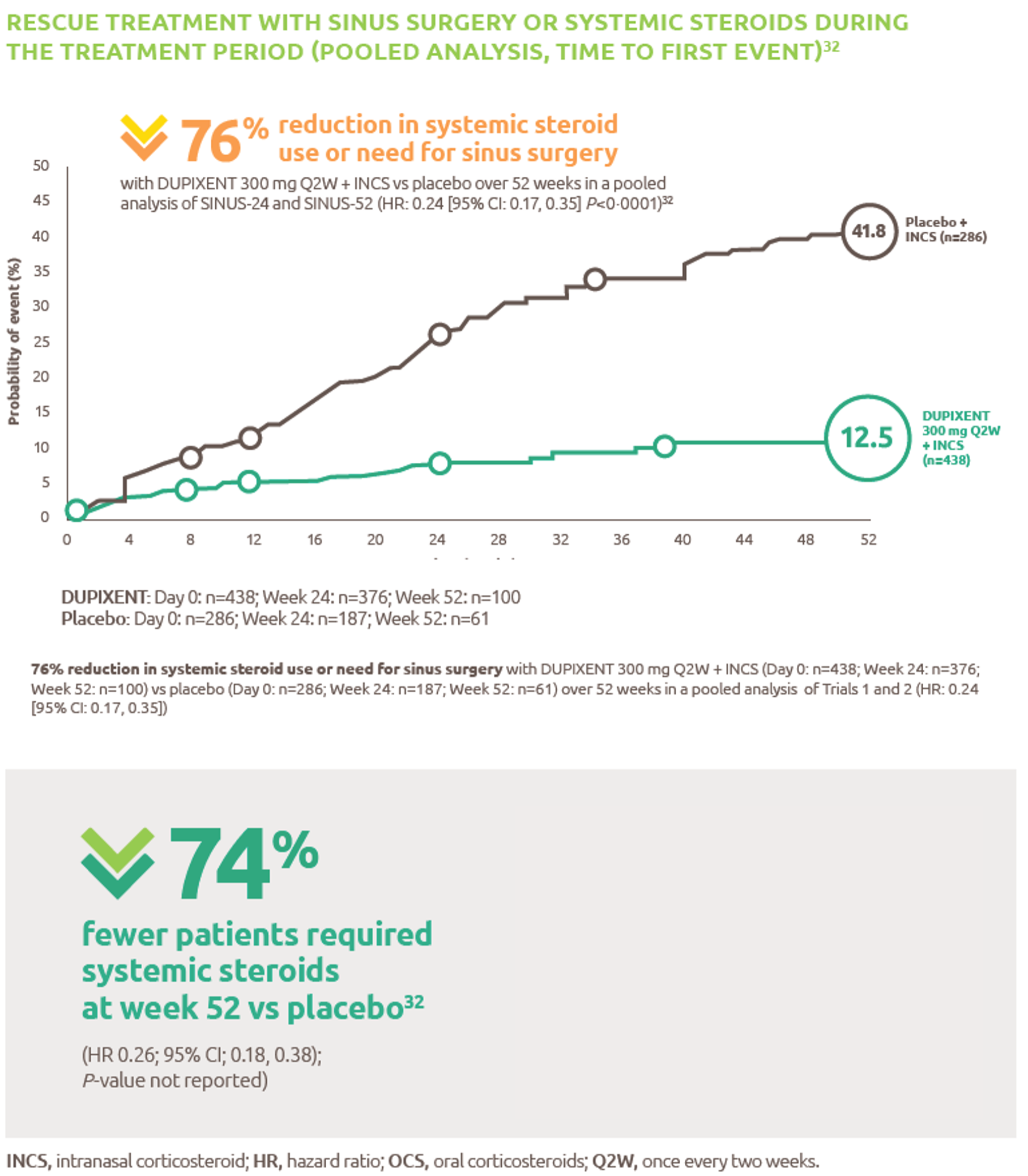
Reduced-need-for-sinus-surgery
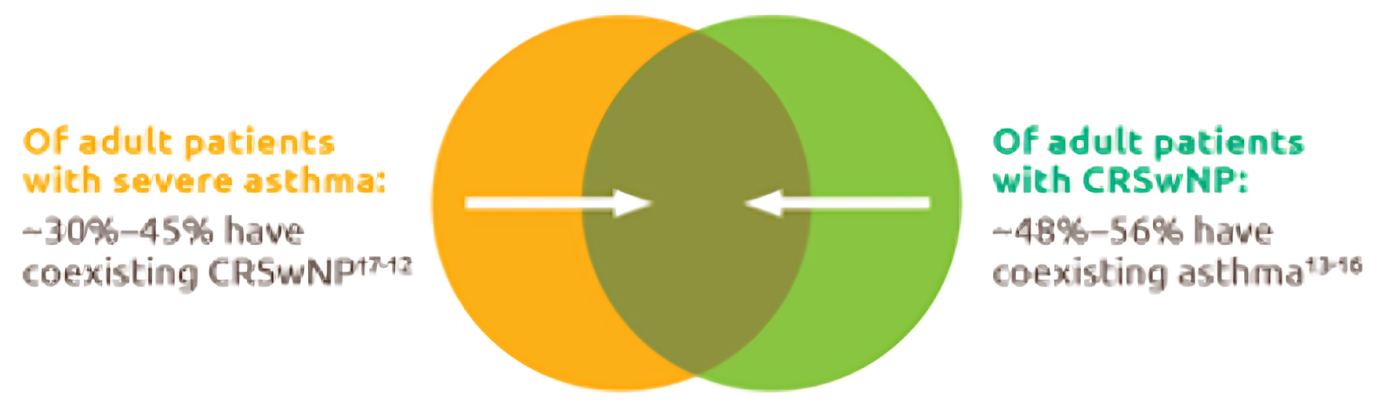
Up-to-45--of-severe-asthma-patients-have-comorbid-CRSwNP
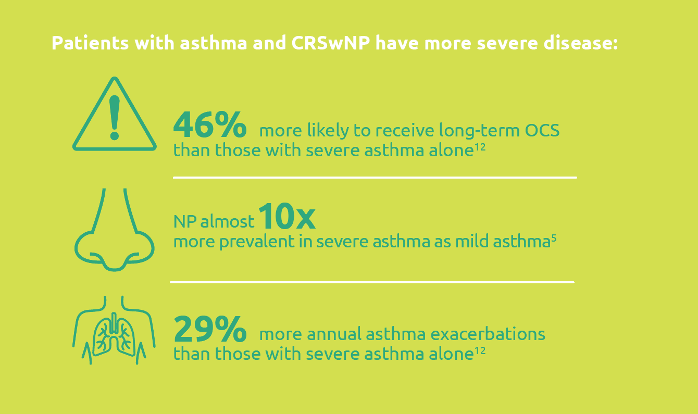
Severe-asthma-with-comorbid-CRSwNP-leads-to-more-severe-disease
.2024-06-04-09-20-31.png)
Less-rescue-oral-corticosteriod-use
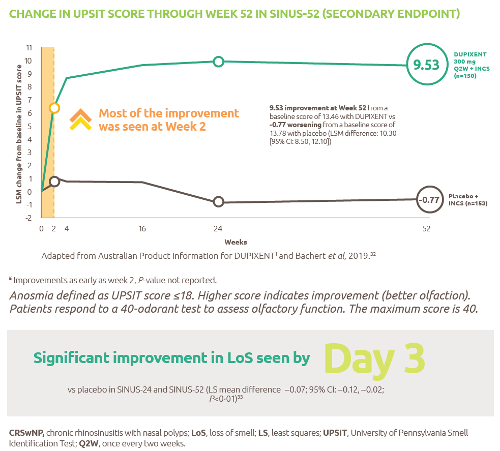
Improved-sense-of-smell
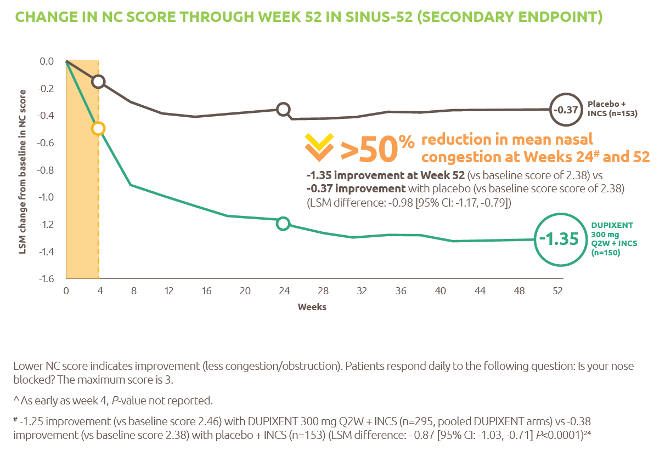
Reduced-obstruction-and-congestion
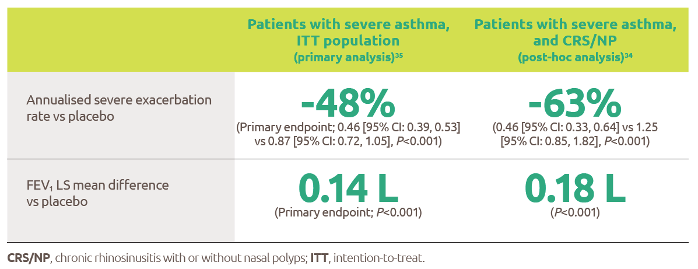
Reduced-asthma-exacerbations-and-improved-lung-function
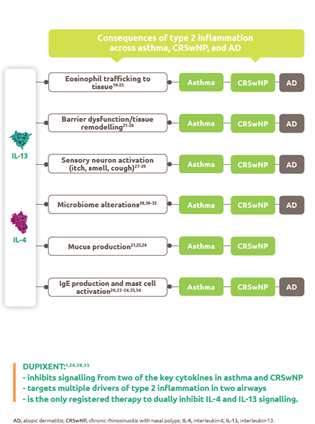
IL-4-and-IL-13-are-key-and-central-drivers-of-type-2-inflammation
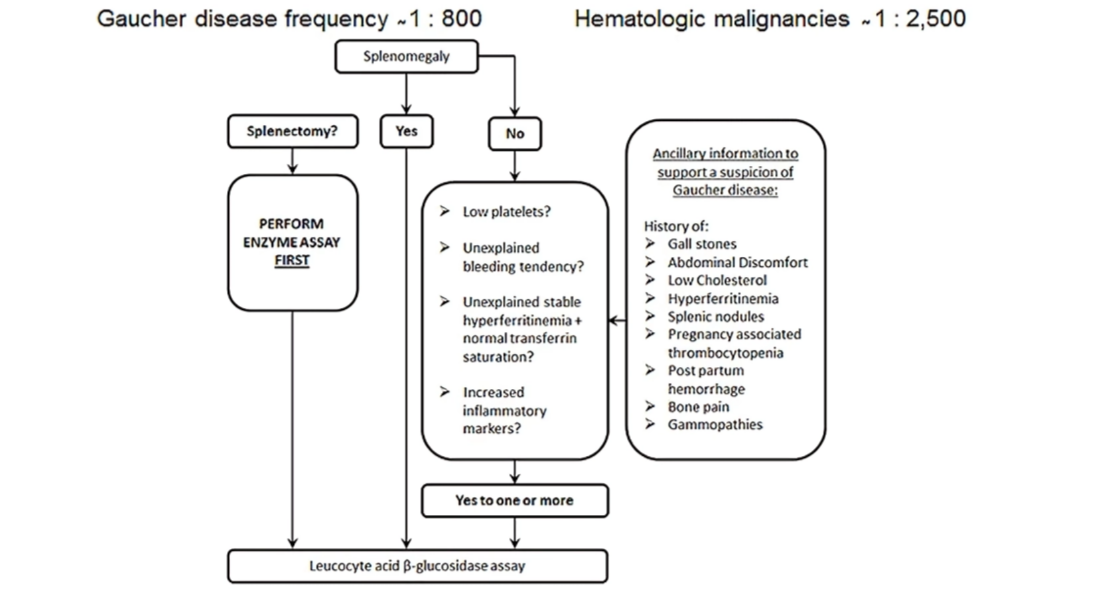
Gaucher-diagnosis-1
RESP-ICT2_Debate_MAT-AU-2301973
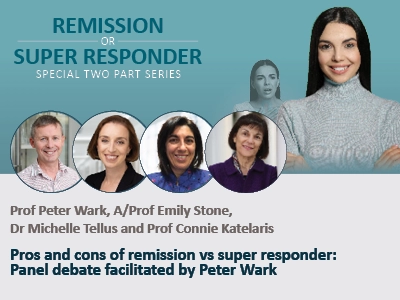
RESP-ICT2_Debate_MAT-AU-2301973
RESP-ICT3_Q-A_MAT-AU-2302036

RESP-ICT3_Q&A_MAT-AU-2302036
ASPIRE-ICT1-23_Q-A_MAT-AU-2302791-1

RESP-ICT2_Stone_CS_MAT-AU-2301975

RESP-ICT2_Stone_CS_MAT-AU-2301975
RESP-ICT2_Wark_CS_MAT-AU-2301974
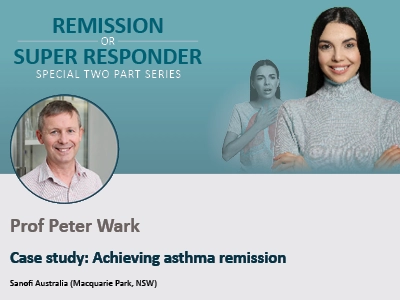
RESP-ICT2_Wark_CS_MAT-AU-2301974
RESP-ICT2_Panel-Discussion_MAT-AU-2301976

RESP-ICT2_Panel-Discussion_MAT-AU-2301976
SANA7993_Safety-Page-Tables_V0.2_1_New3
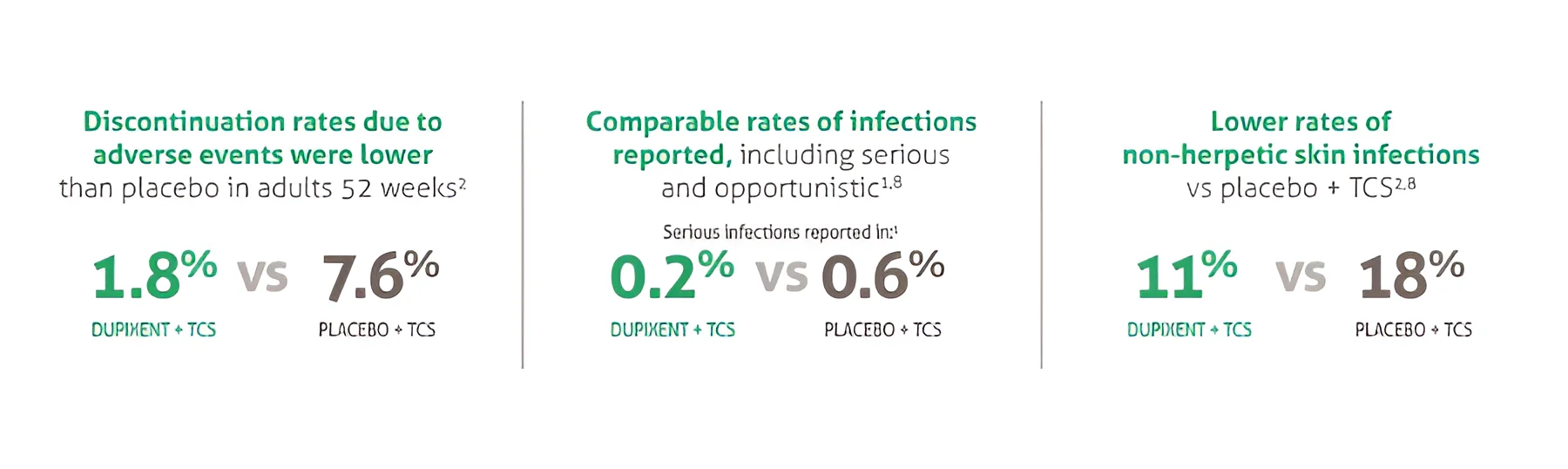
Products_Dermatology_Atopic-Dermatitis_Adverse-Events-Adults_18012021

Le-Cercle---Dr-Christophe-LEFEZ