Need to identify risk of developing type 1 diabetes? Test for autoantibodies!
Anti-islet autoantibodies that target proteins associated with beta-cells serve as biomarkers of type 1 diabetes (T1D) development.1 The number of detectable autoantibodies through screening correlates with risk of developing T1D.2 Assays for detecting T1D have shown high sensitivity and specificity.3,4
.png/jcr:content/Group%2013468%20(1).png)
Key Takeaway
Screening for risk of T1D provides an opportunity to intervene with therapy to delay the onset of clinical symptoms2-5
The ability to detect and quantify the risk of developing T1D allow predicting the rate of progression to symptomatic disease with considerable accuracy.2
The risk of T1D is 15-fold higher among relatives of people with T1D compared to those without a family history of the disease.5
About 95% relatives of individuals with T1D often test negative after screening for autoantibodies, providing reassurance to families.5
Why screen for autoantibodies?
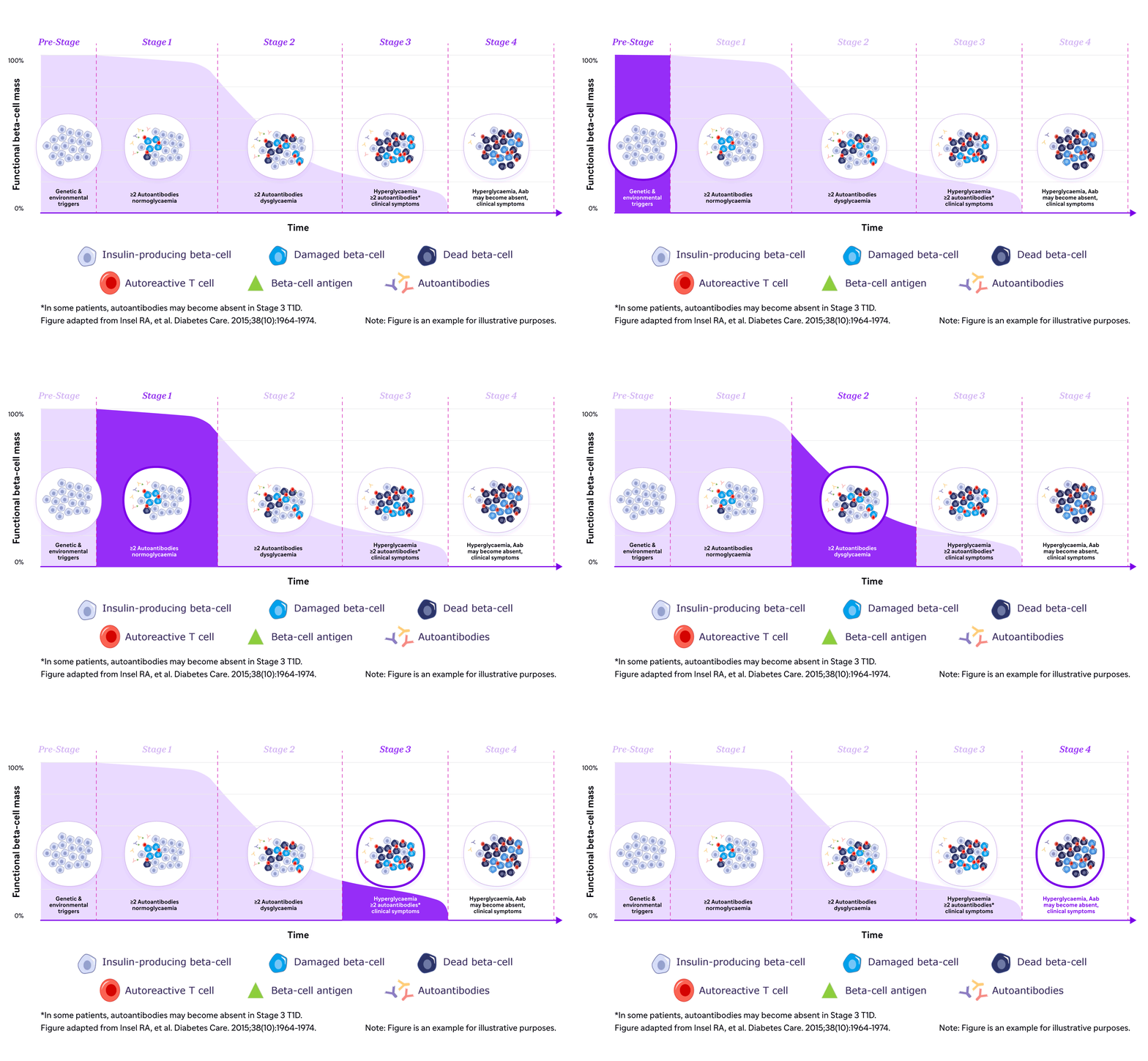
T1D is associated with the appearance of autoantibodies many months or years before symptom onset.1 Decline in beta-cell function occurs in four distinct stages and by the time clinical symptoms manifest, significant beta-cell loss has typically occurred.1,2 Screening for autoantibodies is important for early detection of beta-cell destruction and provides patients/caregivers with opportunity to access healthcare providers to help them prepare and develop skills for better management of T1D.2,5,6
The autoantibodies detected in T1D include:1,2
- Glutamic acid decarboxylase autoantibodies (GADA)
- Insulinoma-associated-2 autoantibodies (IA-2A)
- Insulin autoantibodies (IAA)
- Zinc transporter 8 autoantibodies (ZnT8A)
Stages of T1D depicting progressing beta-cell function decline2
How the presence of islet autoantibody determines risk of T1D?
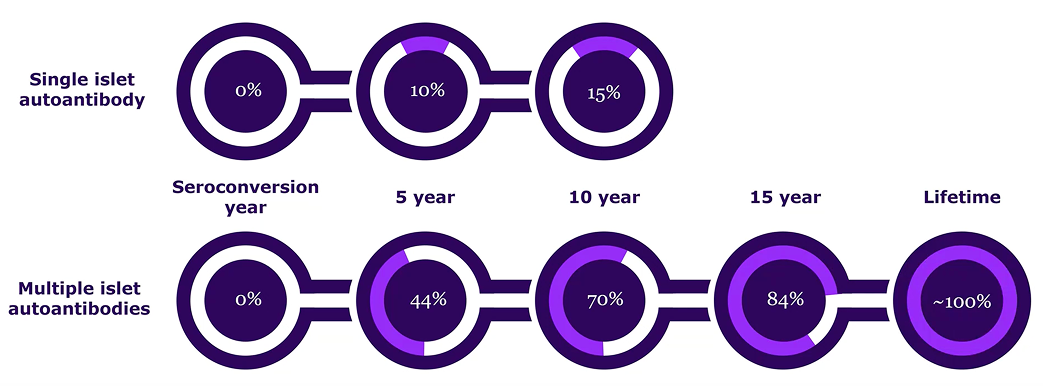
The number of detectable autoantibodies through screening correlates with risk of developing T1D.2,6 The majority of individuals with a single autoantibody do not progress to T1D.7 However, presence of two or more autoantibodies increases the risk of progression to clinical T1D to 70% over 10 years and 100% over lifetime.6
Risk of progression to autoimmune T1D after seroconversion to islet autoantibody positivity6
Who should be screened for islet autoantibodies?
Individuals with a family history of T1D are at greater risk of developing the disease, with up to a 15-fold increased risk if a first-degree relative has T1D.5 Additionally, individuals with certain other associated autoimmune diseases (e.g., coeliac disease and autoimmune thyroiditis) and adults with abnormal glucose levels with a low BMI (<25 kg/m2) or aged <35 years are also likely to develop T1D.9,10.
Explore the connection between T1D and other associated autoimmune conditions in this article.
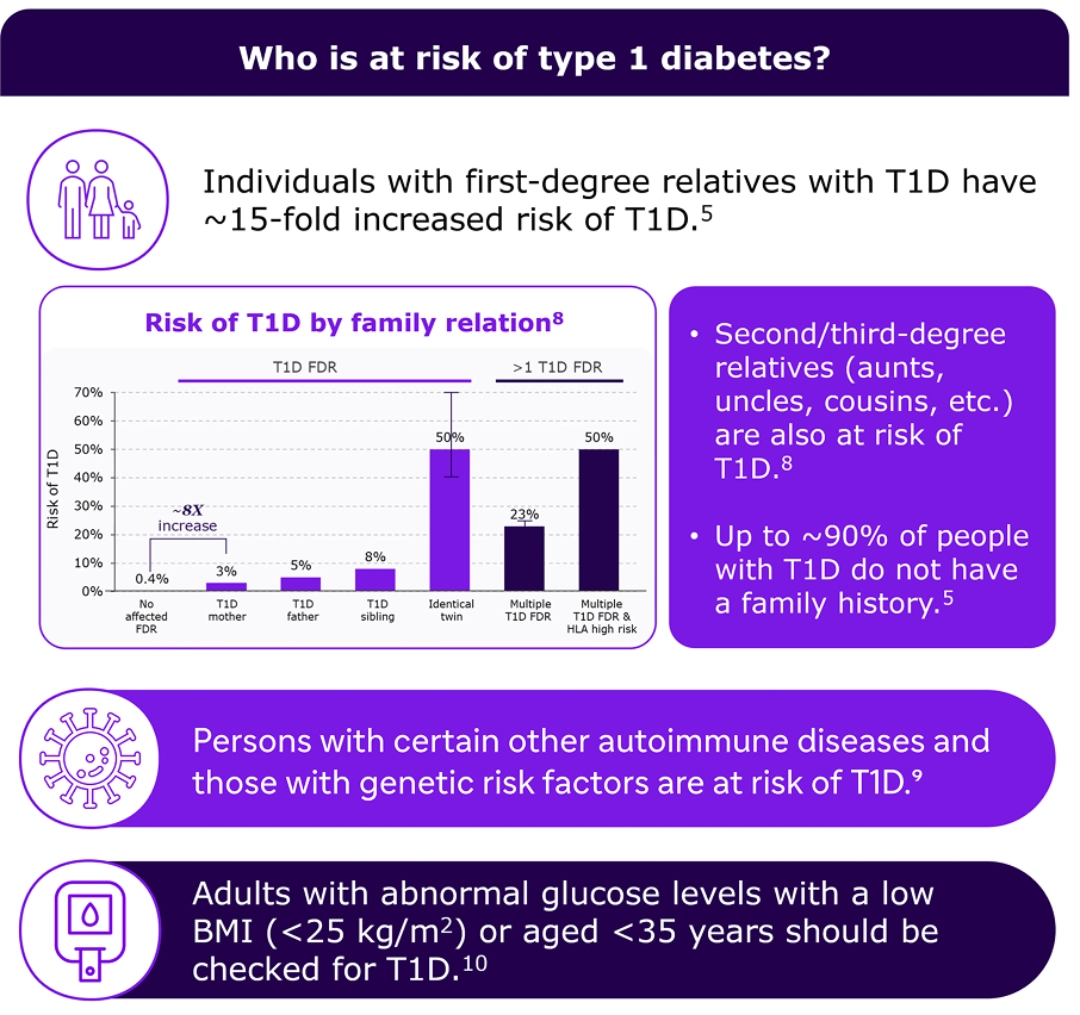
BMI, body mass index; FDR, first-degree relative; HLA, human leukocyte antigen; T1D, type 1 diabetes.
Figure adapted from Sims EK, Besser REJ, Dayan C, et al; NIDDK Type 1 Diabetes TrialNet Study Group. Screening for type 1 diabetes in the general population: A status report and perspective. Diabetes. 2022;71(4):610-623.
What is the right age for screening for T1D?
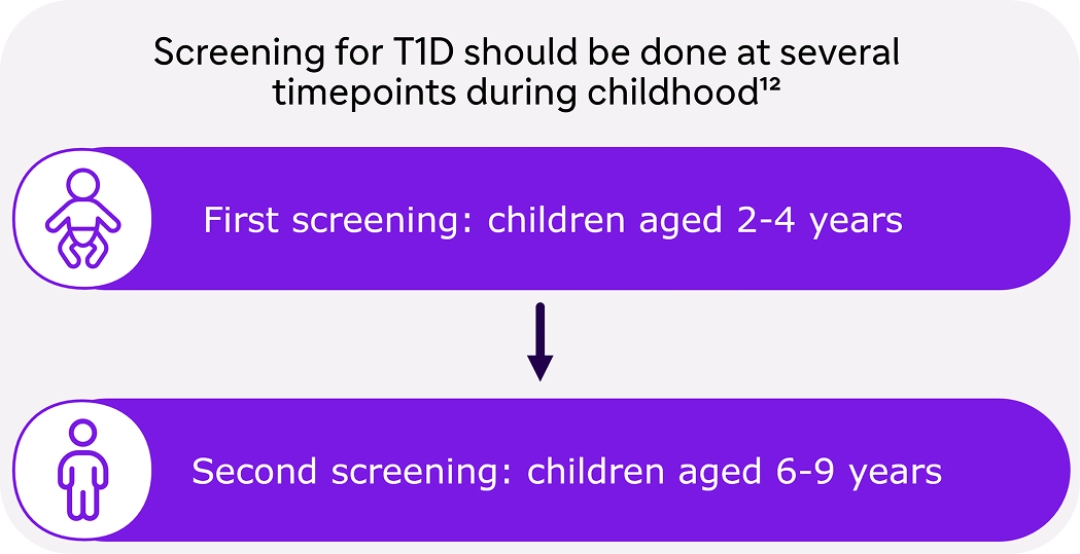
Although T1D can manifest at any age, it most commonly occurs in children, teenagers, or young adults.1,11 Autoantibodies often emerge before the age of 6, even in cases where T1D is diagnosed much later in childhood. Screening for islet autoantibodies at ages of 2 and 6 has proven to be sensitive and efficient in predicting T1D.12
What are the benefits of screening for T1D?
Screening individuals shows that approximately 95% of relatives of individuals with T1D test negative for autoantibodies, which can provide reassurance, especially to families with an affected member.5
In individuals who test positive for autoantibodies, screening leads to early detection of T1D, which in turn:6
- Can prevent diabetes ketoacidosis, a life-threatening complication of diabetes.
- Provide preparation time to patients and caregivers to develop skills to manage T1D.
- Enable access to medical care to provide ongoing education and monitoring.
Know more about the monitoring of people screened positive for ≥1 islet autoantibodies in this article.
Widespread screening for T1D is critical for early identification of at-risk individuals, thereby reducing the complications at diagnosis and guiding targeted interventions to manage and potentially delay disease progression.13 |
- Katsarou A, Gudbjörnsdottir S, Rawshani A, et al. Type 1 diabetes mellitus. Nat Rev Dis Primers. 2017;3:17016.
- Insel RA, Dunne JL, Atkinson MA, et al. Staging presymptomatic type 1 diabetes: A scientific statement of JDRF, the Endocrine Society, and the American Diabetes Association. Diabetes Care. 2015;38(10):1964-1974.
- Tiberti C, Yu L, Lucantoni F, et al. Detection of four diabetes specific autoantibodies in a single radioimmunoassay: an innovative high-throughput approach for autoimmune diabetes screening. Clin Exp Immunol. 2011;166(3):317-324.
- Cortez FJ and Gebhart D, Robinson PV, et al. Sensitive detection of multiple islet autoantibodies I type 1 diabetes using small sample volumes by agglutination-PCR. PLoS One. 2020;15(11):e0242049.
- Sims EK, Besser REJ, Dayan C, et al; NIDDK Type 1 Diabetes TrialNet Study Group. Screening for type 1 diabetes in the general population: A status report and perspective. Diabetes. 2022;71(4):610-623.
- Simmons KM and Sims EK. Screening and prevention of type 1 diabetes: Where are we? J Clin Endocrinol Metab. 2023;108(12):3067-3079.
- DiMeglio LA, Evans-Molina C and Oram RA. Type 1 diabetes. Lancet. 2018;391(10138):2449–2462.
- Ziegler AG and Nepom GT. Prediction and pathogenesis in type 1 diabetes. Immunity. 2010;32(4):468-78.
- Makimattila S, Harjutsalo V, Forsblom C, et al. Every fifth individual with type 1 diabetes suffers from an additional autoimmune disease: a Finnish nationwide study. Diabetes Care. 2020;43(5):1041-1047.
- American Diabetes Association. Standards of care in diabetes—2024. Diabetes Care. 2024;47(suppl 1):S1-S321.
- You W-P and Henneberg M. Type 1 diabetes prevalence increasing globally and regionally: The role of natural selection and life expectancy at birth. BMJ Open Diabetes Research and Care. 2016;4:e000161.
- Ghalwash M, Dunne JL, Lundgren M, et al. Two-age islet-autoantibody screening for childhood type 1 diabetes: a prospective cohort study. Lancet Diabetes Endocrinol. 2022;10(8):589-596.
- Greenbaum CJ. A Key to T1D Prevention: Screening and monitoring relatives as part of clinical care. Diabetes. 2021;70:1029–1037.
Waddling-Gait---Robert,-28-year-old-mild-LOPD-patient

Waddling Gait - Robert, 28-year-old mild LOPD patient
Reaching-Overhead---Robert,-28-year-old-mild-LOPD-patient

Reaching Overhead - Robert, 28-year-old mild LOPD patient
Standing-From-Sitting---Robert,-28-year-old-mild-LOPD-patient

Standing From Sitting - Robert, 28-year-old mild LOPD patient
Climbing-Stairs---Robert,-28-year-old-mild-LOPD-patient
Climbing Stairs - Robert, 28-year-old mild LOPD patient
Waddling-Gait---Karen,-18-year-old-moderate-LOPD-patient
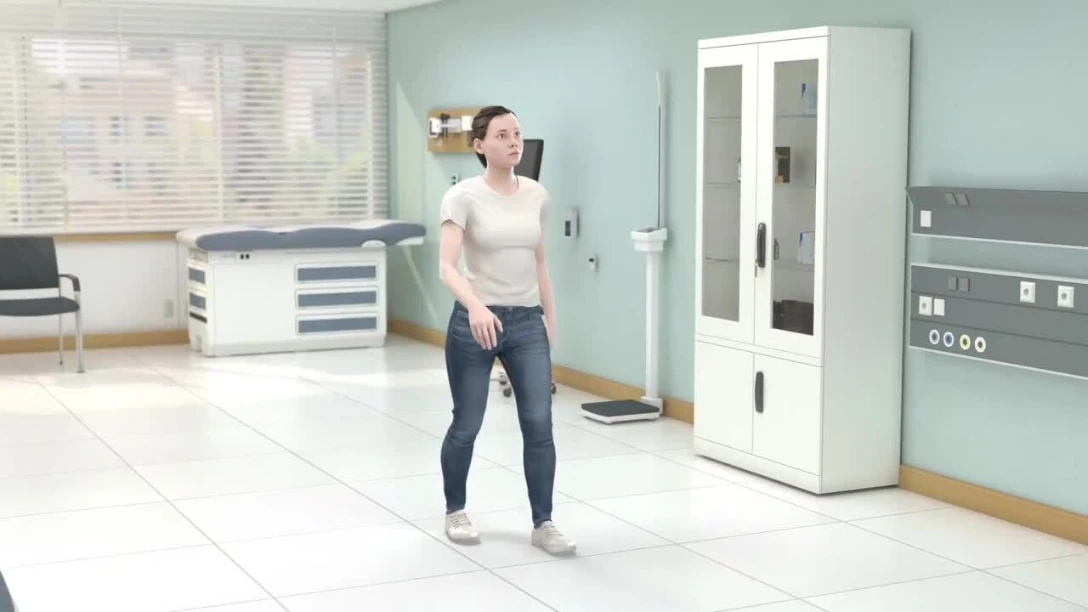
Waddling Gait - Karen, 18-year-old moderate LOPD patient
Reaching-Overhead---Karen,-18-year-old-moderate-LOPD-patient

Reaching Overhead - Karen, 18-year-old moderate LOPD patient
Standing-From-Sitting---Karen,-18-year-old-moderate-LOPD-patient

Standing From Sitting - Karen, 18-year-old moderate LOPD patient
Climbing-Stairs---Karen,-18-year-old-moderate-LOPD-patient

Climbing Stairs - Karen, 18-year-old moderate LOPD patient
ASPIRE-ICT-1-23_Harrington_MAT-AU-2302788-1

ASPIRE-ICT-1-23_Kyle-Blakey_MAT-AU-2302789-1
Which-biologic-and-why--When-to-switch-to-another-one-

Waddling-Gait---Brian,-44-year-old-severe-LOPD-patient
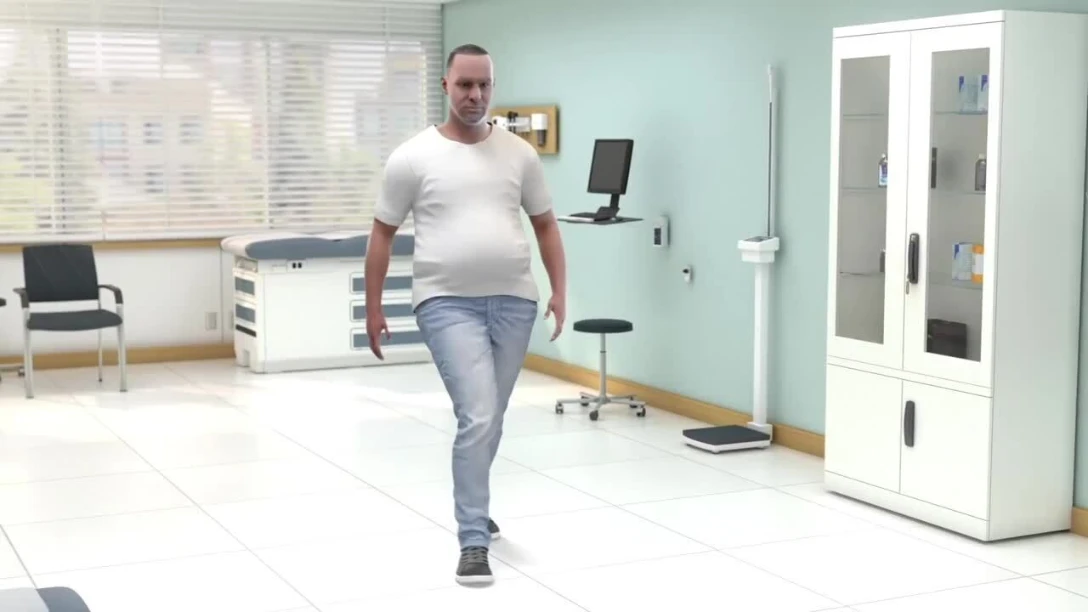
Waddling Gait - Brian, 44-year-old severe LOPD patient
Reaching-Overhead---Brian,-44-year-old-severe-LOPD-patient

Reaching Overhead - Brian, 44-year-old severe LOPD patient
Standing-From-Sitting---Brian,-44-year-old-severe-LOPD-patient
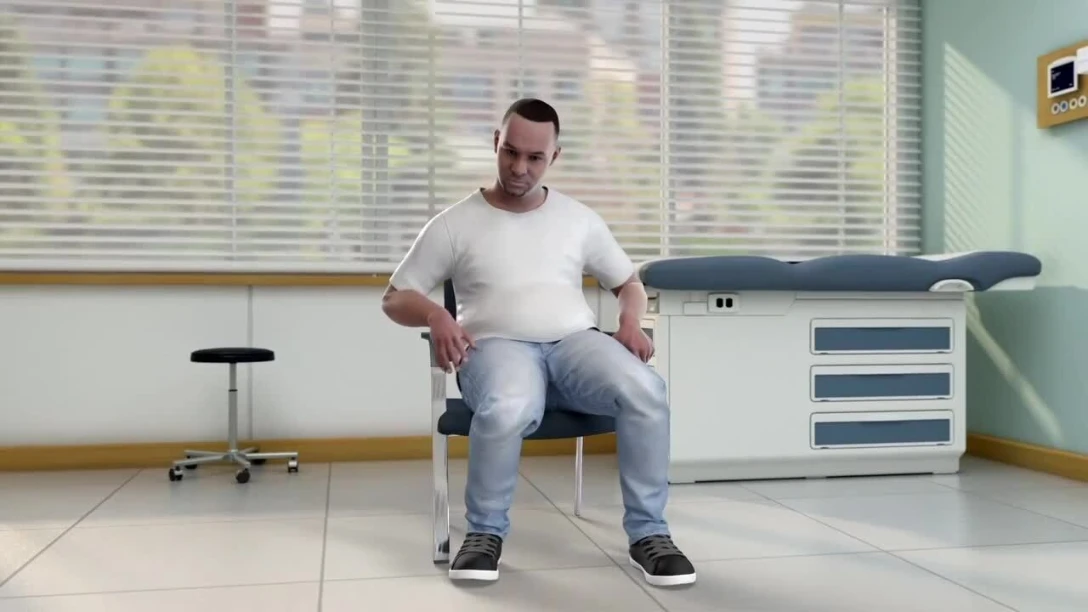
Standing From Sitting - Brian, 44-year-old severe LOPD patient
Climbing-Stairs---Brian,-44-year-old-severe-LOPD-patient

Climbing Stairs - Brian, 44-year-old severe LOPD patient
RESP-ICT2_Wark_MAT-AU-2301970
.webp/jcr:content/RESP-ICT2-Wark_400X300%20(1).webp)
RESP-ICT2_Wark_MAT-AU-2301970
RESP-ICT2_Stone_MAT-AU-2301972
.webp/jcr:content/RESP-ICT2-Stone_400X300%20(1).webp)
RESP-ICT2_Stone_MAT-AU-2301972
Remission-in-rheumatology---Dr-Michelle-Tellus
.webp/jcr:content/RESP-ICT2-Tellus_400X300%20(1).webp)
Remission in rheumatology - Dr Michelle Tellus
Pavord_MAT-AU-2300571

Pavord_MAT-AU-2300571
Wark_MAT-AU-2300572

Wark_MAT-AU-2300572
Q-A-Discussion_MAT-AU-2300573

Q&A-Discussion_MAT-AU-2300573
RESP-ICT3_Tellus_MAT-AU-2302033
RESP-ICT3_Tellus_MAT-AU-2302033
RESP-ICT3_Lee_MAT-AU-2302034

RESP-ICT3_Lee_MAT-AU-2302034
RESP-ICT3_Hew_MAT-AU-2302035

RESP-ICT3_Hew_MAT-AU-2302035
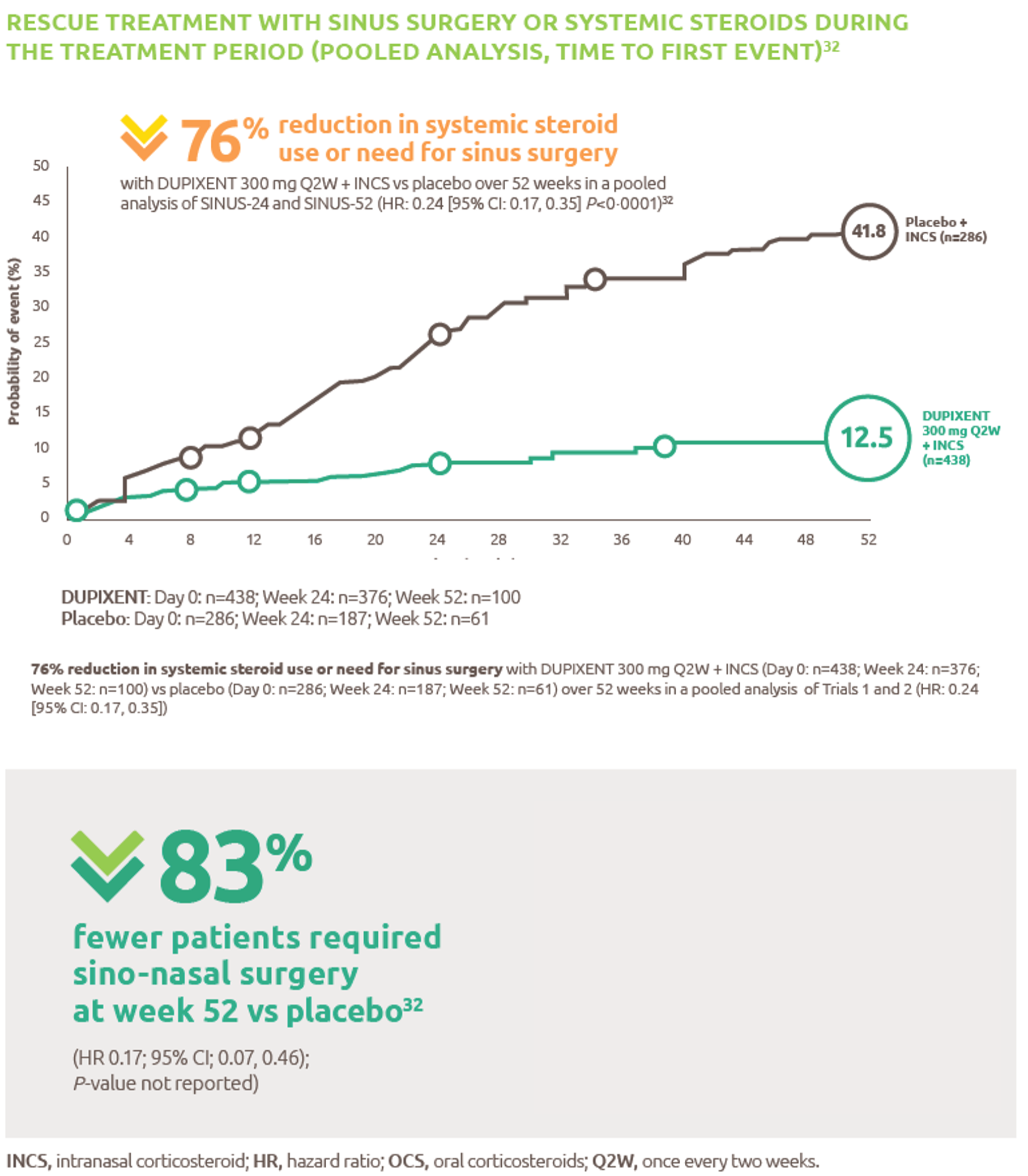
Reduced-need-for-sinus-surgery
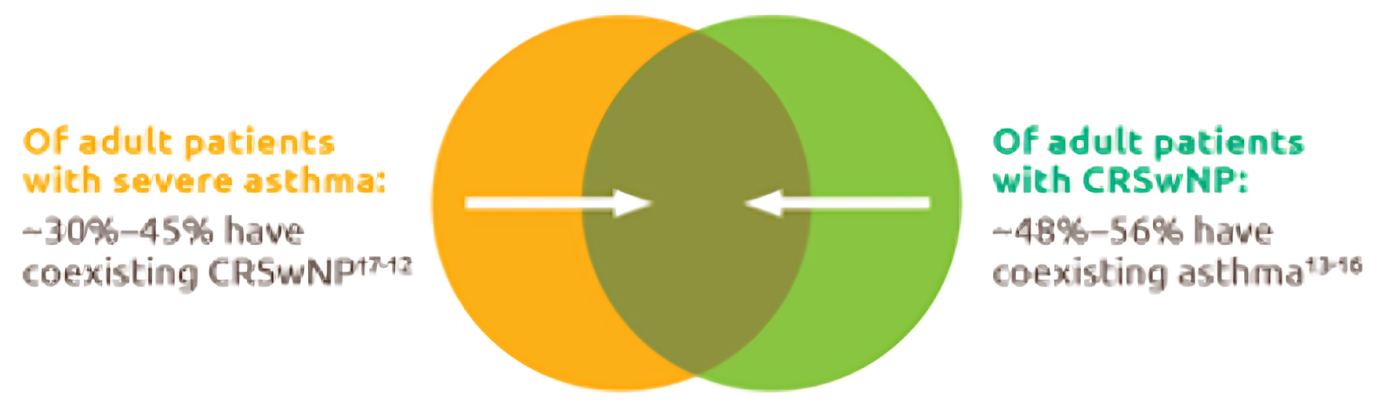
Up-to-45--of-severe-asthma-patients-have-comorbid-CRSwNP
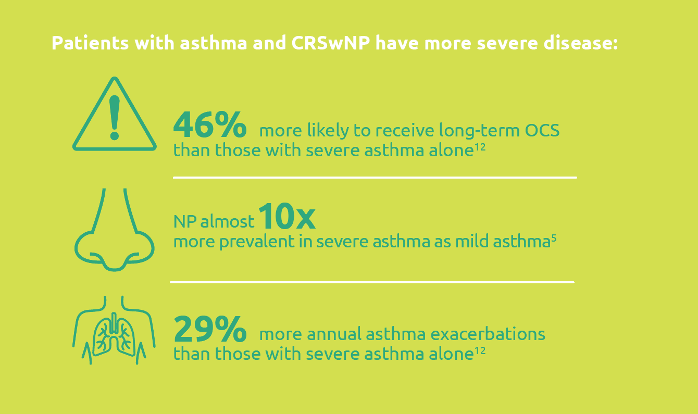
Severe-asthma-with-comorbid-CRSwNP-leads-to-more-severe-disease
.2024-06-04-09-20-31.png)
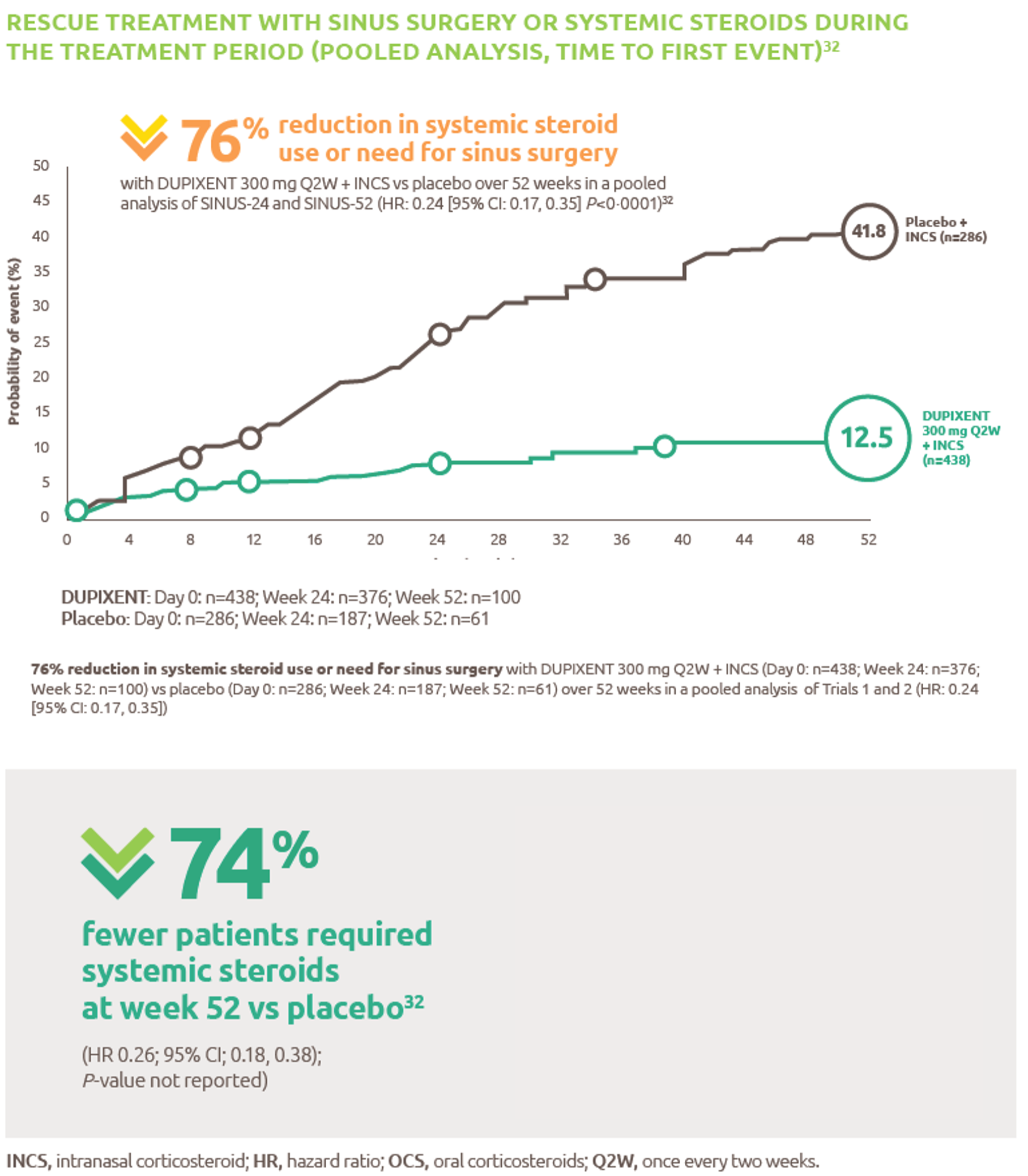
Less-rescue-oral-corticosteriod-use
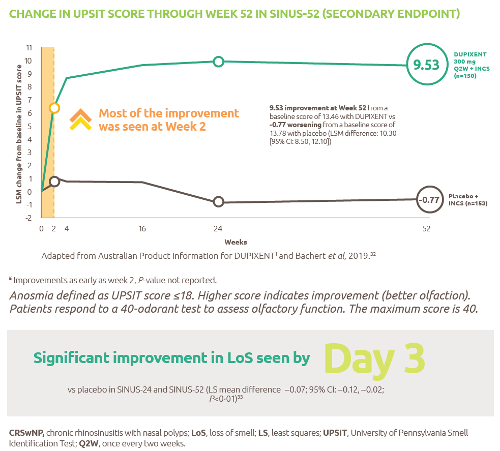
Improved-sense-of-smell
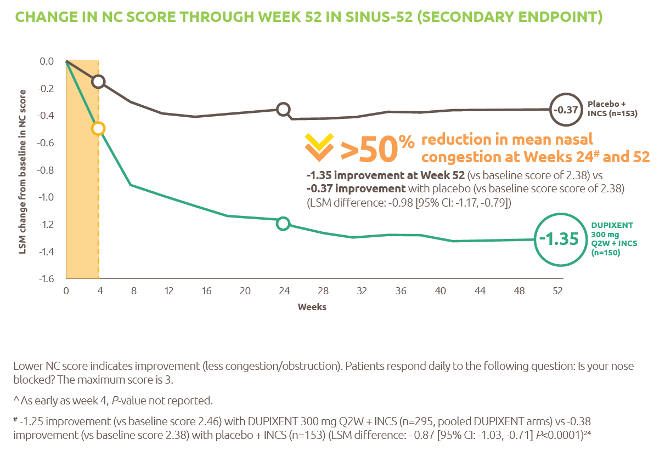
Reduced-obstruction-and-congestion
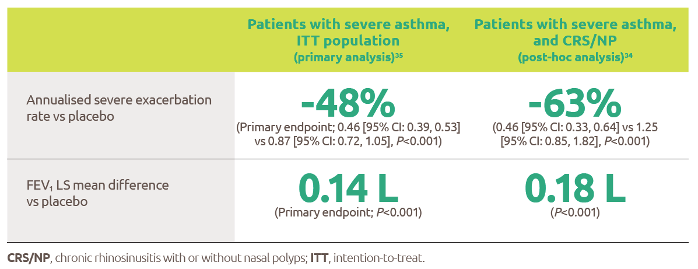
Reduced-asthma-exacerbations-and-improved-lung-function
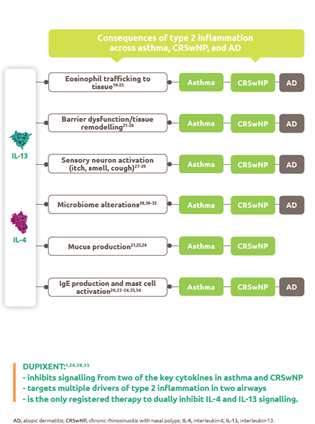
IL-4-and-IL-13-are-key-and-central-drivers-of-type-2-inflammation
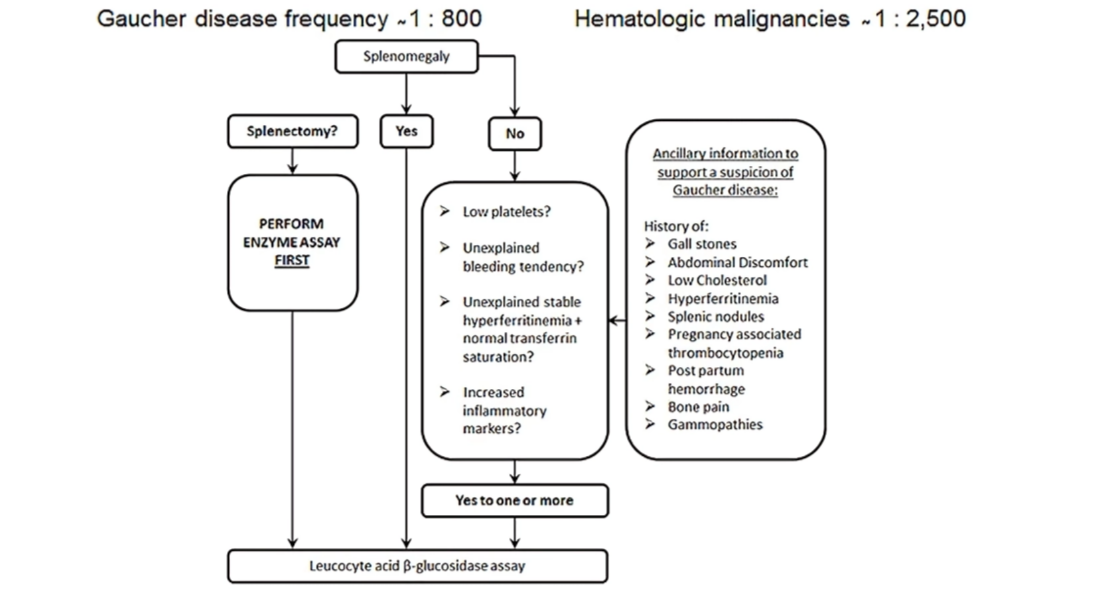
Gaucher-diagnosis-1
RESP-ICT2_Debate_MAT-AU-2301973

RESP-ICT2_Debate_MAT-AU-2301973
RESP-ICT3_Q-A_MAT-AU-2302036

RESP-ICT3_Q&A_MAT-AU-2302036
ASPIRE-ICT1-23_Q-A_MAT-AU-2302791-1

RESP-ICT2_Stone_CS_MAT-AU-2301975

RESP-ICT2_Stone_CS_MAT-AU-2301975
RESP-ICT2_Wark_CS_MAT-AU-2301974
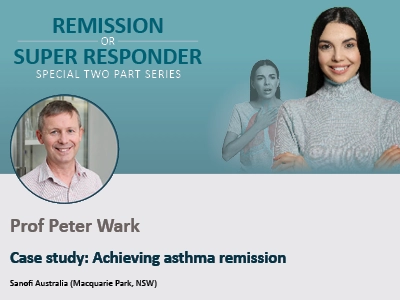
RESP-ICT2_Wark_CS_MAT-AU-2301974
RESP-ICT2_Panel-Discussion_MAT-AU-2301976

RESP-ICT2_Panel-Discussion_MAT-AU-2301976
SANA7993_Safety-Page-Tables_V0.2_1_New3
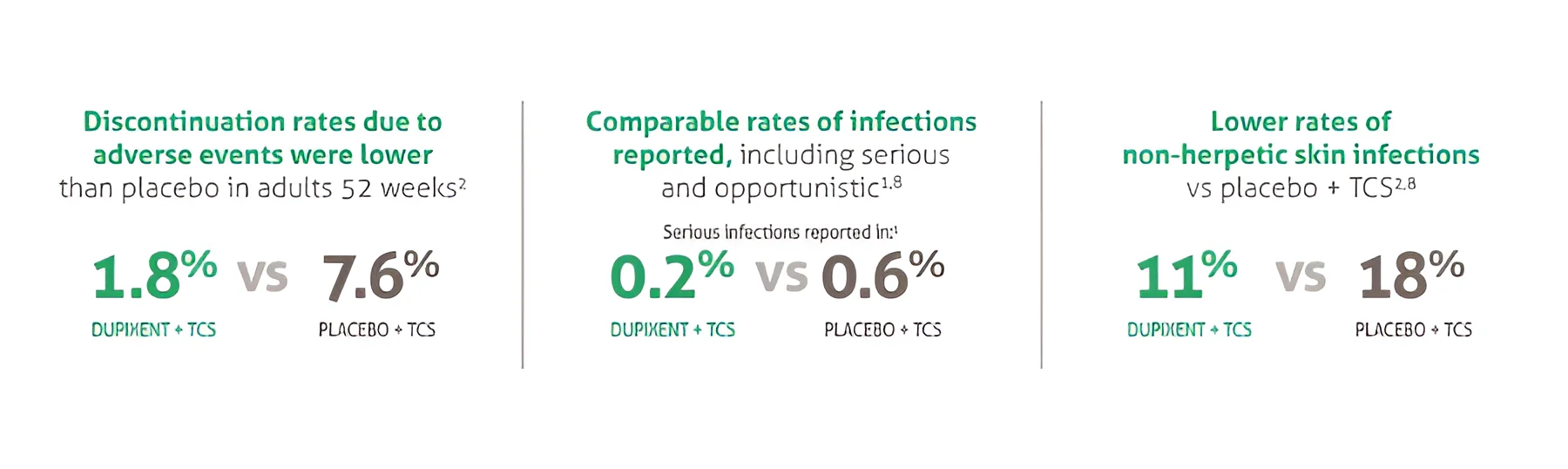
Products_Dermatology_Atopic-Dermatitis_Adverse-Events-Adults_18012021

Le-Cercle---Dr-Christophe-LEFEZ