Severe RSV Disease is unpredictable1
It is not just infants born prematurely or those with underlying conditions who may be hospitalised with RSV. Up to 80% of infants and children who are admitted to hospital with RSV are otherwise healthy children, with no predisposing conditions.2-5
.2026-04-06-10-49-18.png)
It's time to rethink the risk of severe RSV disease in all infants.
RSV is a leading cause of hospitalisation for infants and children <5 years in Australia,6 with 15,864 hospital admissions per year.7 It is extremely infectious – potentially more so than influenza and COVID-198-11 – and despite most infections being mild, it can rapidly progress to severe, life-threatening disease in some children.12-14
.jpg/jcr:content/BABY-ezgif.com-resize%20(1).jpg)
Twice the fight:
When Lauren's babies caught RSV
Although most cases of RSV infection in babies are mild and clear up on their own, some can be more serious. Lauren – whose twin boys were just a week old when they were each hospitalised with RSV – wants other parents to understand the risk.
RSV has a large impact on patients, their families, the healthcare system, and the economy.7
There is almost universal exposure to RSV by 3 years of age.15

Up to 80% of infants and children who are admitted to hospital with RSV are otherwise healthy children, with no predisposing conditions.2-5

Hospitalisations are just the tip of the iceberg with 97% of infants and children diagnosed with RSV managed in the community.16
Families experience financial burden associated with their child’s RSV, and emotional turmoi that can persist beyond the child’s recovery.7,17
The average annual societal cost for Australian children <5 years admitted to hospital with RSV is estimated to be $193 million i.e. costs of hospitalisation, productivity loss, and out-of-pocket costs.7

There is no clinically effective curative treatment for RSV infection.7
Signs and symptoms
%20(2).2026-04-06-10-49-18.png)
RSV infection causes mild upper respiratory tract infection in most people.18 Symptoms of mild cases include:19
- Rhinorrhoea (runny nose)
- Cough
- Congestion
- Low-grade fever
- Reduced appetite
- Respiratory distress
A quarter of symptomatic cases are more severe with lower respiratory tract infections (LRTI) such as tracheobronchitis or bronchitis. The most common manifestation of LRTI is bronchiolitis, an acute viral LRTI in infants characterised by rhinorrhoea, a dry, wheezy cough, tachypnoea, dyspnoea, and often respiratory retractions. Patients may have a fever, although high fever is uncommon. Very young and premature infants may also experience apnoea.18
Children <3 years are at risk of severe infections, with babies <6 months at an even higher risk of developing bronchiolitis or pneumonia.20
Older children and adults may also have an increased risk of severe symptoms if they have existing chronic heart, lung, or immune problems.12
Expand your knowledge

What is RSV?
Respiratory syncytial virus, or RSV, is a member of the paramyxovirus family, an RNA virus related to other respiratory viruses such as influenza and parainfluenza.21 Each year, RSV causes an estimated 3.2 million hospital admissions globally in children under 5, predominantly in low- and
middle‑income countries.22
Most data suggests that RSV infection is almost always symptomatic, with clinical presentation ranging from mild upper respiratory tract infection (URTI) or otitis media, to severe and potentially life-threatening LRTI.18 The most common form of LRTI is bronchiolitis, but pneumonia and croup also occur.12
Almost all children will have been infected by the age of 3 years.12 Lower airway involvement occurs in approximately 15–50% of infants and young children and requires hospitalisation in 1–3% of all births annually.18
RSV Seasonality
RSV is seasonal, with infections typically occurring during the autumn and winter months, often peaking in June and July in Australia, with these outbreaks usually preceding the influenza season.22
Since the emergence of the COVID-19 pandemic, there have been large scale out-of-season RSV outbreaks, which have corresponded with easing restrictions. It is unclear how long the disruptions to seasonal patterns will occur for due to the impact of COVID-19, so it is important to remain vigilant.22,23
Prevention
There are three immunisations registered in Australia for prevention of RSV in infants.24,25,26
In addition, some simple ways to reduce the spread of RSV include:12,13,27
- Washing hands regularly with soap and warm water or using hand sanitiser.
- Wearing a mask in crowded areas or when visiting high risk individuals.
- Regularly cleaning surfaces and items that may be contaminated, including toys shared among children.
- Staying at home when unwell.
- Covering the nose and mouth when sneezing or coughing.
- Avoiding sharing cups, glasses, or cutlery with people when unwell.
- Throwing out tissues as soon as they’ve been used.
- Avoiding contact with high-risk people such as infants, older people and immunocompromised individuals when sick.
RSV Resources
Check out these resources to stay informed on RSV.
.png/jcr:content.png)
.png/jcr:content.png)
RSV Awareness Posters
Posters to capture parents' attention and create awareness around RSV.
Featured content

Register to receive full access (Healthcare Professionals Only)
Are you a registered healthcare professional?
Register in less than a minute to access the latest updates and resources to support your practice and help deliver better outcomes for your patients.
- Bianchini S, et al. Microorg. 2020;8(12):2048.
- Saravanos GL, et al. Med J Aus. 2019;210(10):447-53.
- Hall CB, et al. Pediatr. 2013;132(2):e341-8.
- Arriola CS, et al. J Pediatric Infect Dis Soc. 2020;9(5):587-95.
- Rha B, et al. Pediatr. 2020;146(1).
- National Centre for Immunisation Research and Surveillance. National data on Respiratory Syncytial Virus (RSV) released. 2019; Available from: https://ncirs.org.au/national-data-respiratory-syncytial-virus-rsv-released. Accessed: September 2023.
- Time to Act. Evohealth report 2023.
- Lessler J, et al. Lancet Infect Dis. 2009;9(5):291-300.
- Heylen E, et al. Biochem Pharmacol. 2017;127:1-2.
- Reis J, et al. Infect Dise Modelling. 2018;3:23-34.
- Petersen E, et al. Lancet Infect Dis. 2020;20(9):e238-44.
- NSW Health. Respiratory syncytial virus (RSV) fact sheet. 2022; Available from: https://www.health.nsw.gov.au/Infectious/factsheets/Pages/respiratory-syncytial-virus.aspx. Accessed: September 2023.
- The Royal Children’s Hospital Melbourne. Respiratory syncytial virus (RSV). 2022; Available from: https://www.rch.org.au/kidsinfo/fact_sheets/Respiratory_syncytial_virus_RSV/. Accessed: September 2023.
- Phillips M, et al. J Pediatric Infect Dis Soc. 2020 Nov;9(5):544-50.
- Brusco NK, et al. Commun Dis Intell. 2022;46:1-21.
- Takashima MD, et al. Eur J Pediatr. 2021;180:2125-35.
- Fusco F, et al. Rand Health Quarterly. 2022;10(1).
- Borchers AT, et al. Clin Rev Allergy Immunol. 2013;45(3):331–379.
- Carvajal JJ, et al. Front Immunol. 2019;10:2152.
- The Sydney Children’s Hospital Network. Fact Sheet – respiratory syncytial virus (RSV). Available at: https://www.schn.health.nsw.gov.au/fact-sheets/respiratory-syncytial-virus-rsv. Accessed: September 2023.
- Australian Government. Department of Health and Aged Care. Surveillance of viral pathogens in Australia – Respiratory syncytial virus. Available at: https://www1.health.gov.au/internet/main/publishing.nsf/Content/cda-pubs-cdi-2003-cdi2701-htm-cdi2701j.htm. Accessed: September 2023.
- Eden J-S, et al. Nature Communications. 2022;13:2884.
- Saravanos GL, et al. Pediatrics. 2022;149(2):e2021053537.
- Beyfortus (nirsevimab) Australian Product Information.
- Synagis (palivizumab) Australian Product Information.
- Abrysvo (recombinant respiratory syncytial virus pre-fusion F protein) Australian Product Information.
- Health Direct. Respiratory syncytial virus. Available at: https://www.healthdirect.gov.au/respiratory-syncytial-virus-rsv. Accessed: September 2023.
MAT-AU-2501312-2.0 - 06/2026
Waddling-Gait---Robert,-28-year-old-mild-LOPD-patient
Waddling Gait - Robert, 28-year-old mild LOPD patient
Reaching-Overhead---Robert,-28-year-old-mild-LOPD-patient

Reaching Overhead - Robert, 28-year-old mild LOPD patient
Standing-From-Sitting---Robert,-28-year-old-mild-LOPD-patient

Standing From Sitting - Robert, 28-year-old mild LOPD patient
Climbing-Stairs---Robert,-28-year-old-mild-LOPD-patient
Climbing Stairs - Robert, 28-year-old mild LOPD patient
Waddling-Gait---Karen,-18-year-old-moderate-LOPD-patient
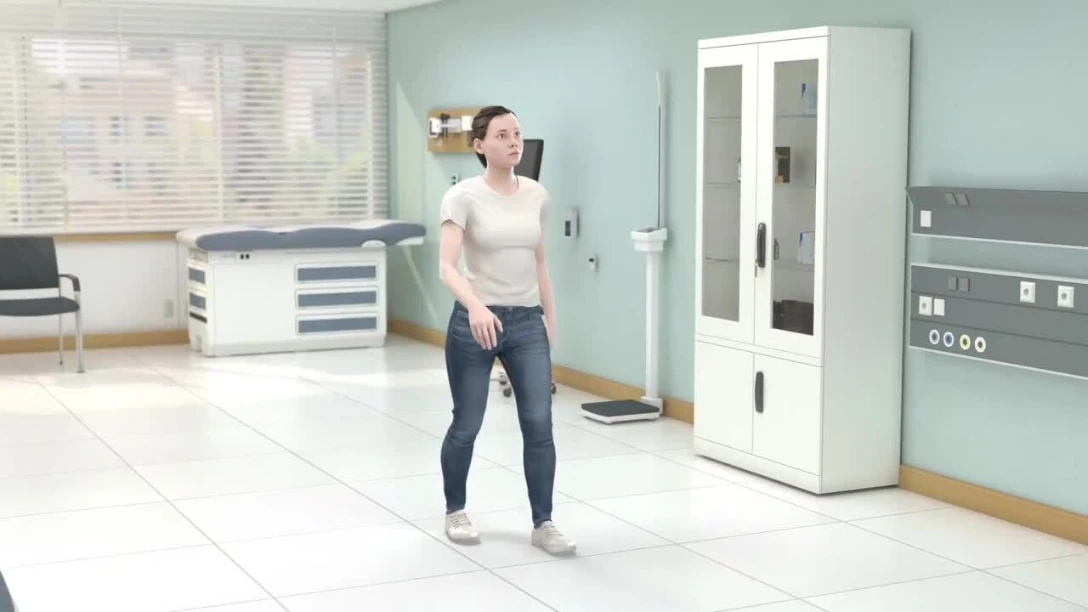
Waddling Gait - Karen, 18-year-old moderate LOPD patient
Reaching-Overhead---Karen,-18-year-old-moderate-LOPD-patient

Reaching Overhead - Karen, 18-year-old moderate LOPD patient
Standing-From-Sitting---Karen,-18-year-old-moderate-LOPD-patient
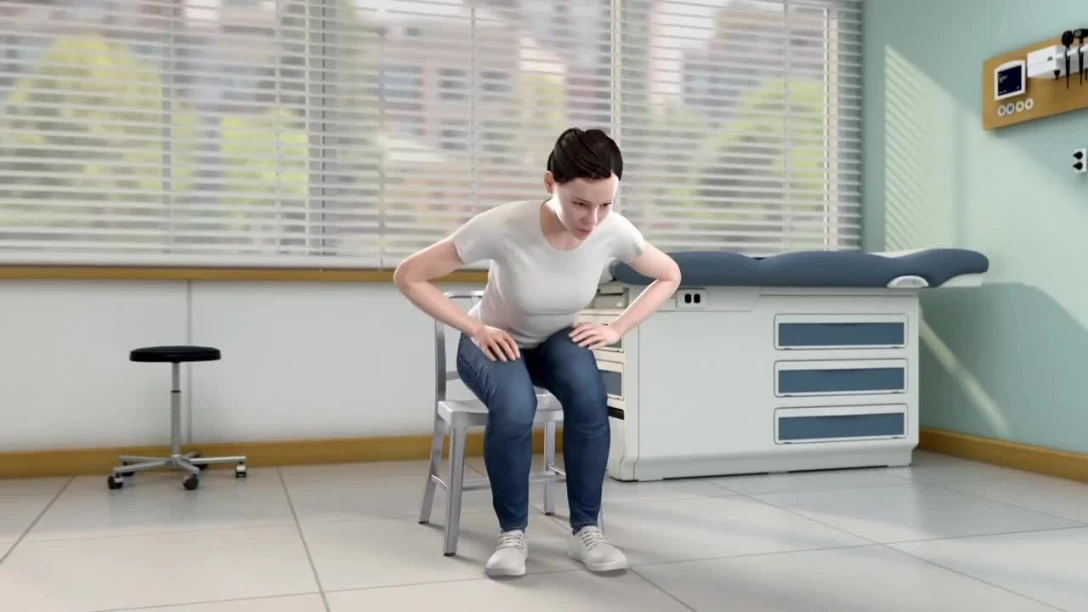
Standing From Sitting - Karen, 18-year-old moderate LOPD patient
Climbing-Stairs---Karen,-18-year-old-moderate-LOPD-patient

Climbing Stairs - Karen, 18-year-old moderate LOPD patient
ASPIRE-ICT-1-23_Harrington_MAT-AU-2302788-1
ASPIRE-ICT-1-23_Kyle-Blakey_MAT-AU-2302789-1
Which-biologic-and-why--When-to-switch-to-another-one-

Waddling-Gait---Brian,-44-year-old-severe-LOPD-patient
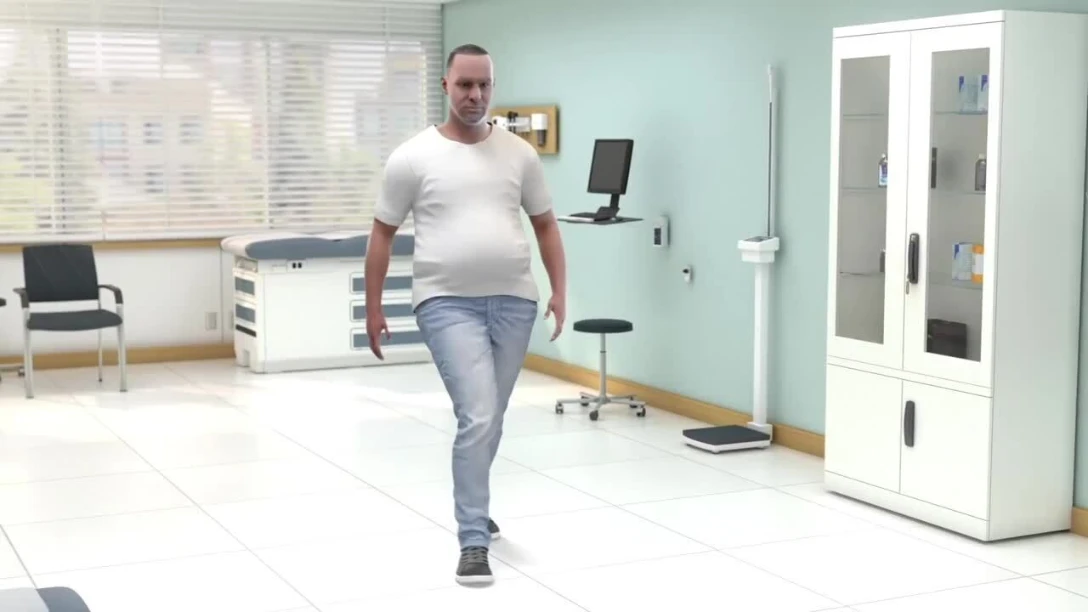
Waddling Gait - Brian, 44-year-old severe LOPD patient
Reaching-Overhead---Brian,-44-year-old-severe-LOPD-patient

Reaching Overhead - Brian, 44-year-old severe LOPD patient
Standing-From-Sitting---Brian,-44-year-old-severe-LOPD-patient
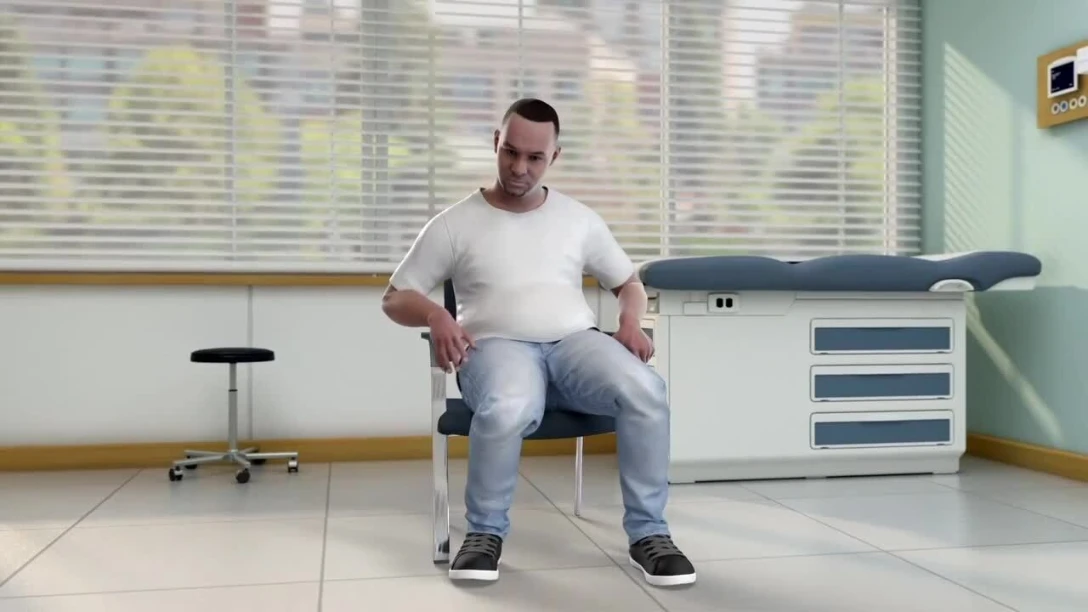
Standing From Sitting - Brian, 44-year-old severe LOPD patient
Climbing-Stairs---Brian,-44-year-old-severe-LOPD-patient

Climbing Stairs - Brian, 44-year-old severe LOPD patient
RESP-ICT2_Wark_MAT-AU-2301970
.webp/jcr:content/RESP-ICT2-Wark_400X300%20(1).webp)
RESP-ICT2_Wark_MAT-AU-2301970
RESP-ICT2_Stone_MAT-AU-2301972
.webp/jcr:content/RESP-ICT2-Stone_400X300%20(1).webp)
RESP-ICT2_Stone_MAT-AU-2301972
Remission-in-rheumatology---Dr-Michelle-Tellus
.webp/jcr:content/RESP-ICT2-Tellus_400X300%20(1).webp)
Remission in rheumatology - Dr Michelle Tellus
Pavord_MAT-AU-2300571
Pavord_MAT-AU-2300571
Wark_MAT-AU-2300572
Wark_MAT-AU-2300572
Q-A-Discussion_MAT-AU-2300573
Q&A-Discussion_MAT-AU-2300573
RESP-ICT3_Tellus_MAT-AU-2302033
RESP-ICT3_Tellus_MAT-AU-2302033
RESP-ICT3_Lee_MAT-AU-2302034

RESP-ICT3_Lee_MAT-AU-2302034
RESP-ICT3_Hew_MAT-AU-2302035
RESP-ICT3_Hew_MAT-AU-2302035
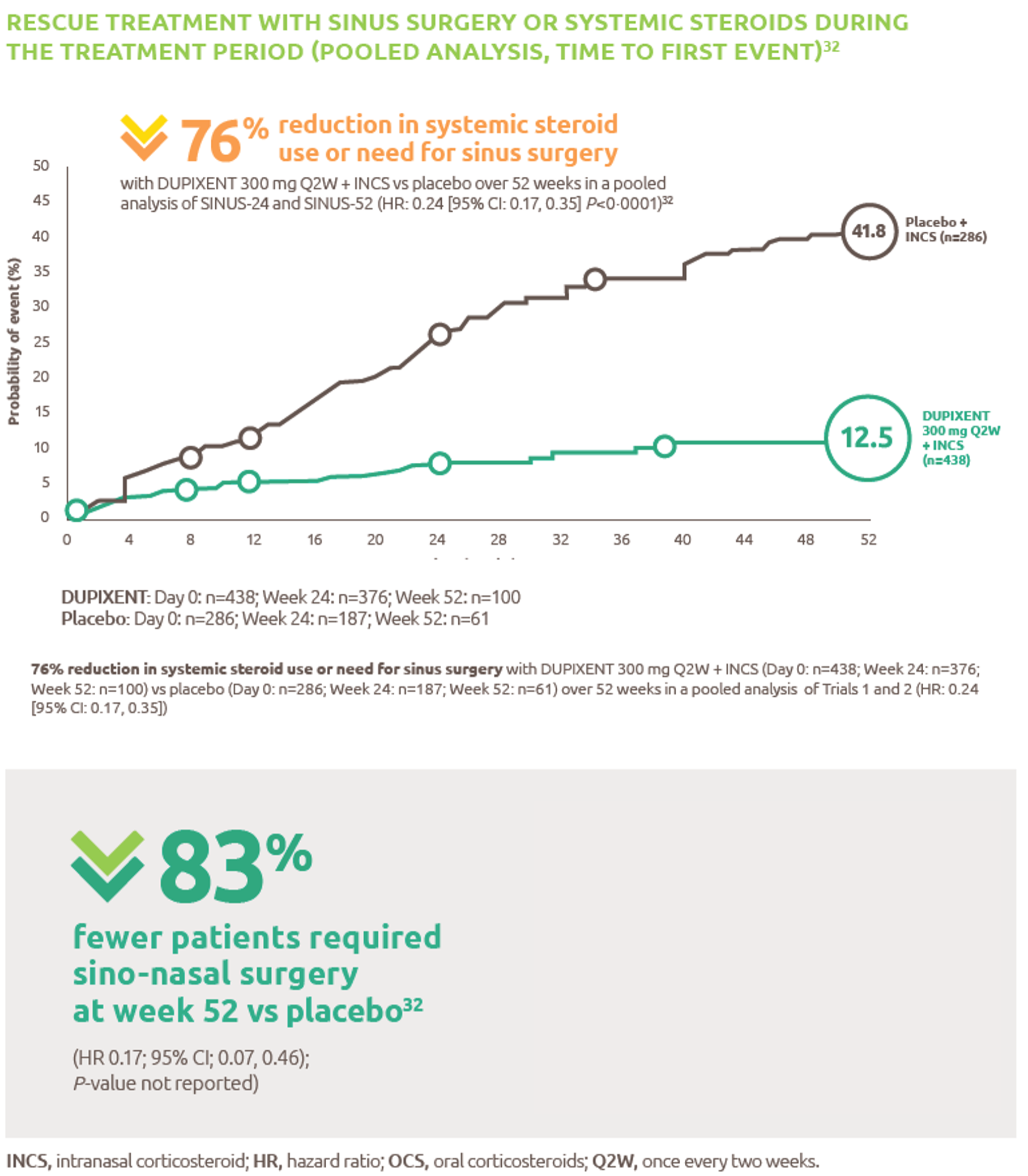
Reduced-need-for-sinus-surgery
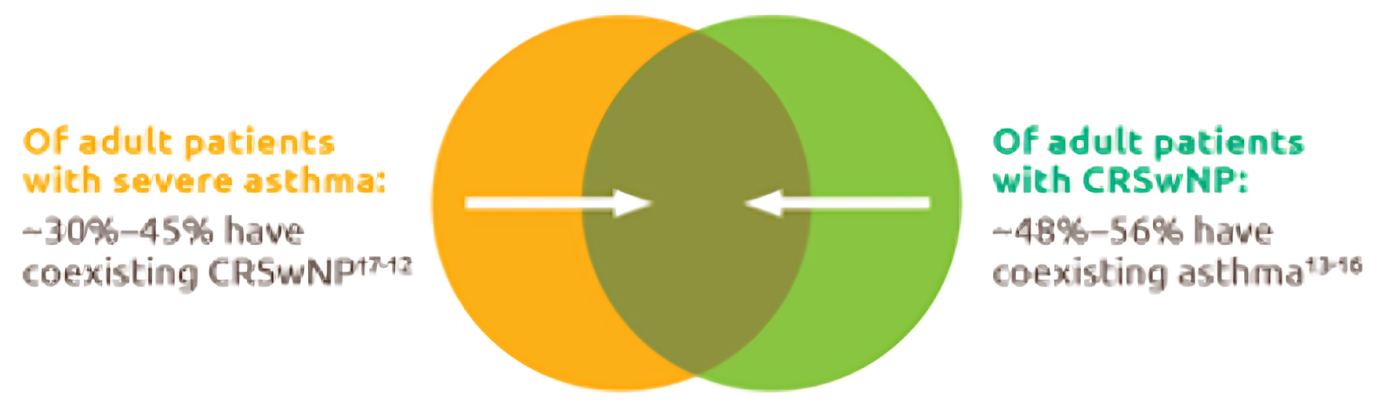
Up-to-45--of-severe-asthma-patients-have-comorbid-CRSwNP
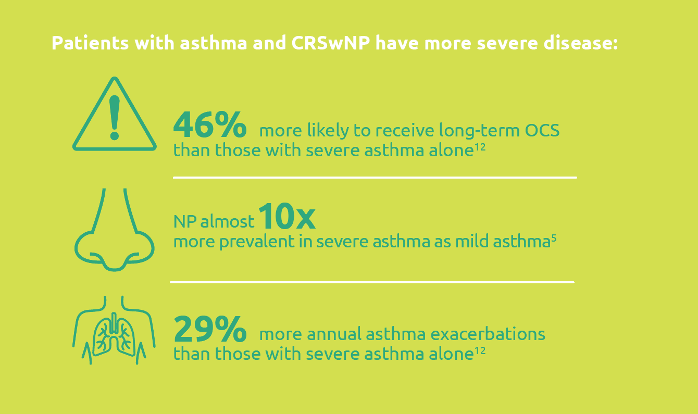
Severe-asthma-with-comorbid-CRSwNP-leads-to-more-severe-disease
.2024-06-04-09-20-31.png)
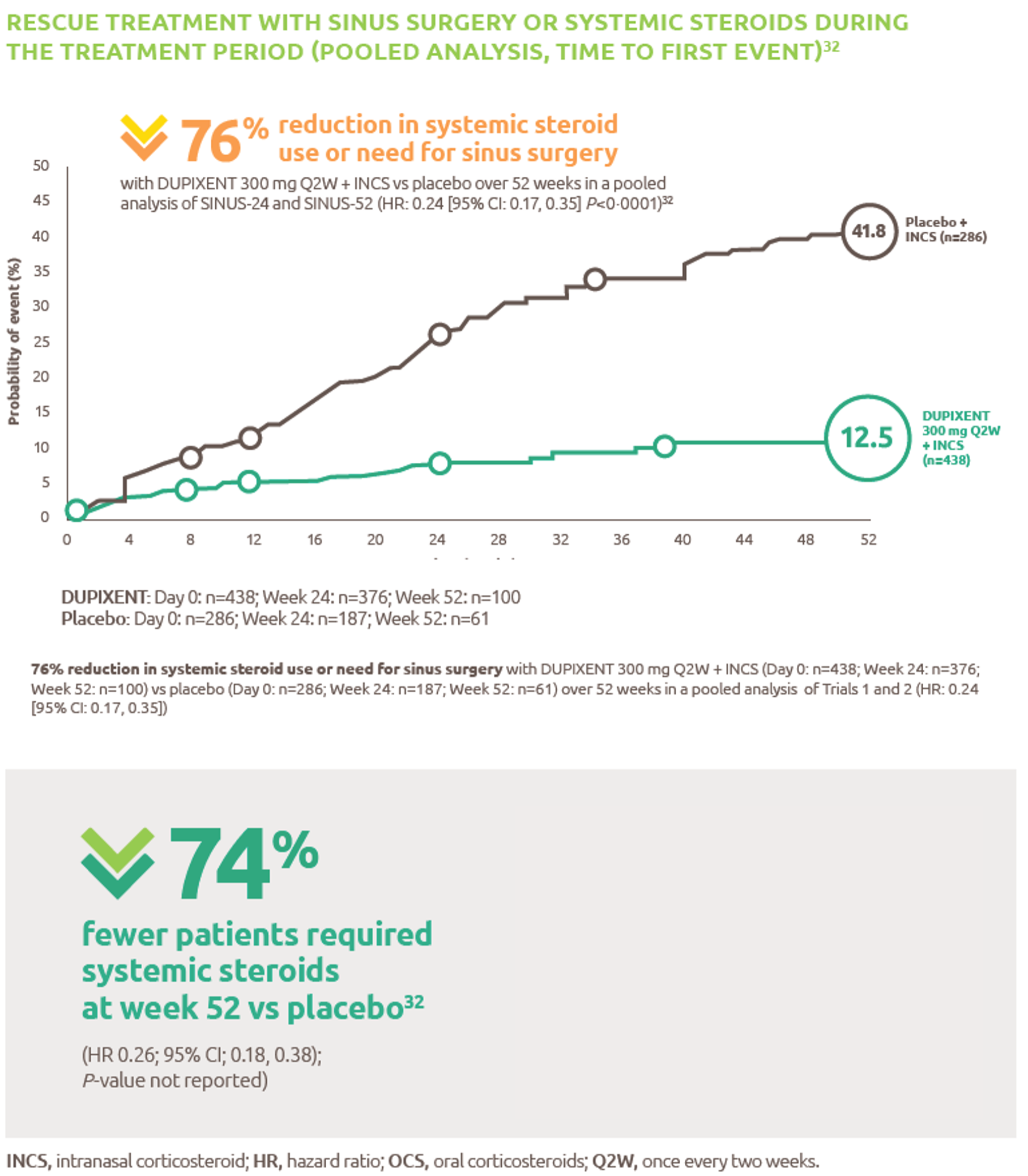
Less-rescue-oral-corticosteriod-use
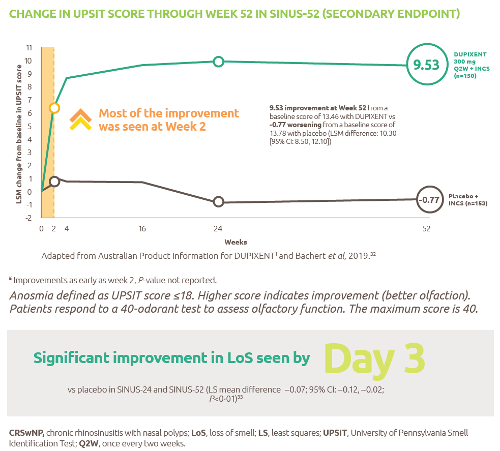
Improved-sense-of-smell
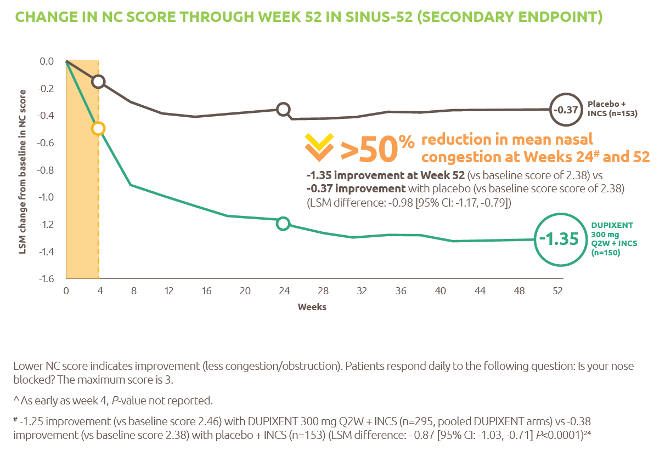
Reduced-obstruction-and-congestion
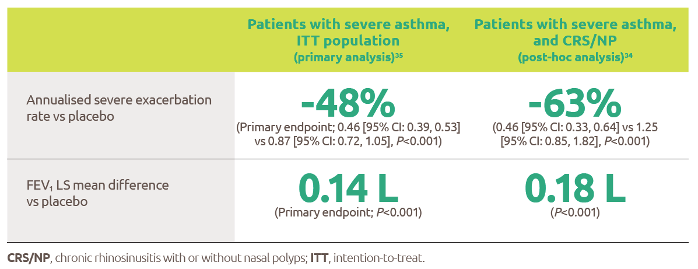
Reduced-asthma-exacerbations-and-improved-lung-function
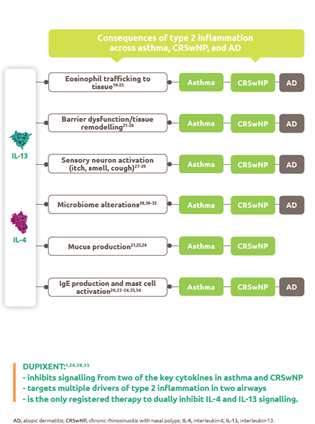
IL-4-and-IL-13-are-key-and-central-drivers-of-type-2-inflammation
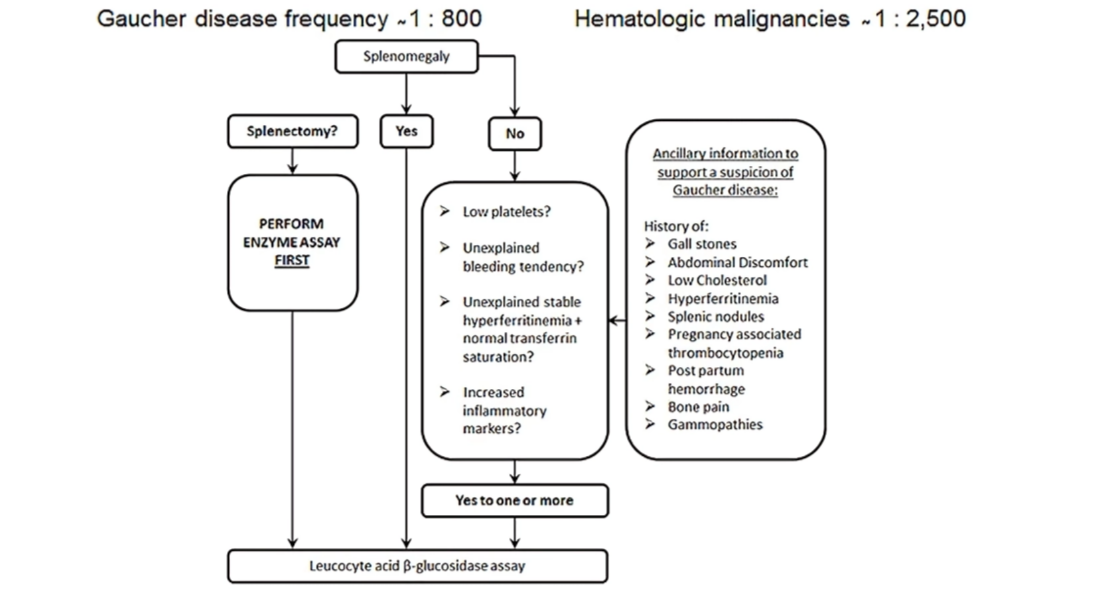
Gaucher-diagnosis-1
RESP-ICT2_Debate_MAT-AU-2301973
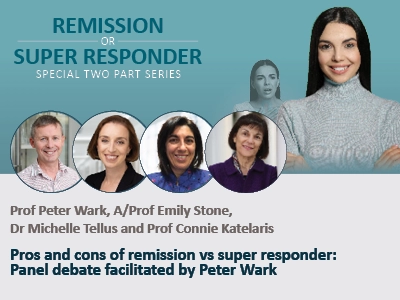
RESP-ICT2_Debate_MAT-AU-2301973
RESP-ICT3_Q-A_MAT-AU-2302036
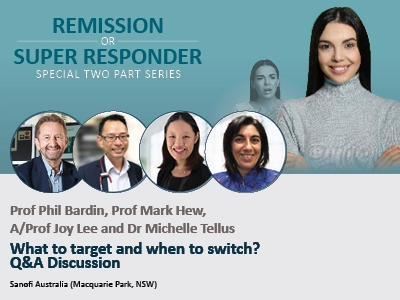
RESP-ICT3_Q&A_MAT-AU-2302036
ASPIRE-ICT1-23_Q-A_MAT-AU-2302791-1

RESP-ICT2_Stone_CS_MAT-AU-2301975
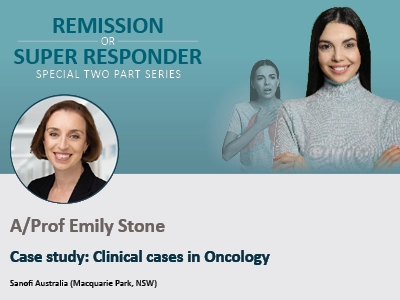
RESP-ICT2_Stone_CS_MAT-AU-2301975
RESP-ICT2_Wark_CS_MAT-AU-2301974
RESP-ICT2_Wark_CS_MAT-AU-2301974
RESP-ICT2_Panel-Discussion_MAT-AU-2301976
RESP-ICT2_Panel-Discussion_MAT-AU-2301976
SANA7993_Safety-Page-Tables_V0.2_1_New3
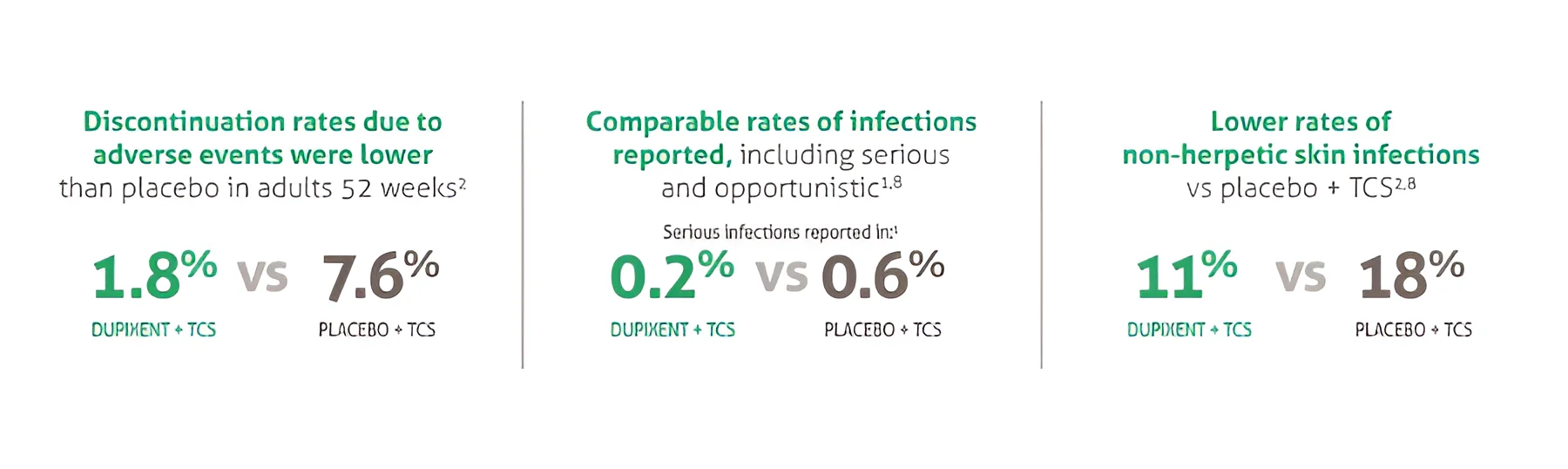
Products_Dermatology_Atopic-Dermatitis_Adverse-Events-Adults_18012021

Le-Cercle---Dr-Christophe-LEFEZ