Expanding RSV Protection in Kuwait: New National Directives for Monoclonal Antibody Use
Summary of Kuwait’s updated RSV prevention policy
.2023-12-04-08-14-49.svg)
Respiratory syncytial virus (RSV) is a leading cause of lower respiratory tract infections in infants and young children worldwide, with newborns and preterm infants at the highest risk of hospitalization1. Recent advances in RSV prevention, including long-acting monoclonal antibodies and maternal vaccination, have shown a 70–90% reduction in RSV-related hospitalizations during the first year of life2.
In response, Kuwait’s Ministry of Health has incorporated RSV vaccination and monoclonal antibody immunization into the 2025 optional vaccination schedule to strengthen RSV prevention strategies3.
RSV Immunization Policy Implementation in Kuwait
Kuwait’s updated immunization policy includes RSV vaccines for adults and pregnant women, and monoclonal antibody prophylaxis for newborns and infants. The National Committee for the General Immunization Plan determines the RSV season annually based on surveillance data, ensuring timely protection for pregnant women and infants through structured vaccination schedules and hospital-based administration3.
Kuwait MOH Guidance for RSV Monoclonal Antibody Use in Infacts in Their First RSV Season3



- Antibody given within 24 hours of birth
- Given in postnatal wards or hospital NIC units.
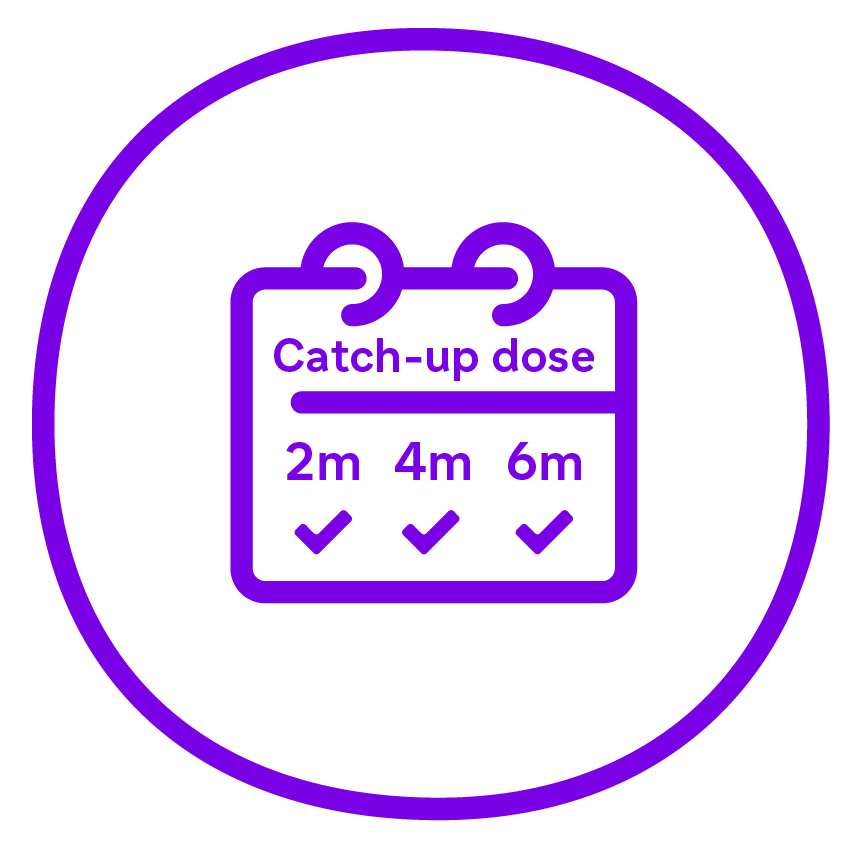
- Catch-up dose given at start of season
- Given with routine 2, 4, 6-month vaccines at preventive health centres.

- Monoclonal antibody is provided free of charge in all public & private hospitals.
- Hospital must state “free of charge” on the invoice
To be given if the mother was not vaccinated in her pregnancy, her vaccination status is unknown, or intant born <14 days after maternal RSV vaccination
Target Population for Monoclonal Antibody Immunization2,3

|


|


|

1.Hammitt LL, Dagan R, Yuan Y, Baca Cots M, Bosheva M, Madhi SA, et al. Nirsevimab for Prevention of RSV in Healthy Late-Preterm and Term Infants. N Engl J Med. 2022 Mar 3;386(9):837–46.
2.Domany KA, Golan-Tripto I, Burrack N, Masarweh K, Gur M, Rochman M, Be'er M eta al. Risk factors associated with severe RSV disease among hospitalized children in the second year of life: a multicenter study. Eur J Pediatr. 2025 Nov 27;184(12):799. doi: 10.1007/s00431-025-06596-6.
3.Ministry of Health, Kuwait. Ministerial Letter No. 226: Regarding Immunization to Prevent Infection with Respiratory Syncytial Virus (RSV) in the State of Kuwait [official letter; Ref. 7540-HA0001982; internal document]. Kuwait: Ministry of Health; 2024. p. 1-5.