
Tetanus, Diphtheria and Pertussis Booster Immunisation
Clinical guidance on combined tetanus, diphtheria and acellular pertussis booster vaccination for adolescents and adults.


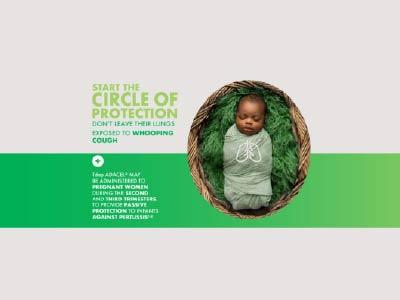
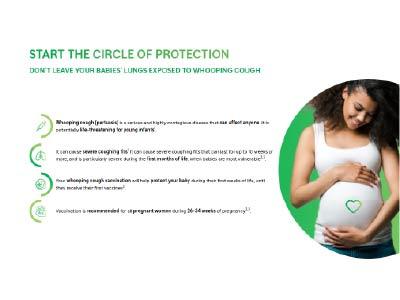

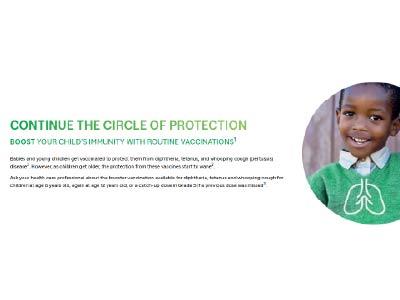



Booster vaccination is recommended for adolescents and adults due for routine tetanus-diphtheria boosting, as well as pregnant women and close contacts of newborn infants. This cocooning strategy aims to reduce pertussis transmission to infants who are too young to be fully vaccinated themselves. Healthcare workers in contact with young infants are also commonly prioritised. Timing and eligibility should follow current national immunisation guidance.
Immunity following childhood pertussis vaccination is estimated to last approximately five to six years, meaning protection wanes well before adulthood. This waning immunity contributes to periodic resurgences of pertussis in vaccinated populations, including in South Africa. Booster vaccination restores protective antibody levels and reduces the risk of transmission to unvaccinated or partially vaccinated infants. This is particularly relevant given documented pertussis case increases in South Africa in recent years.
Maternal Tdap-containing booster vaccination is a recognised strategy to protect infants during the vulnerable first months of life before their own vaccination series is complete. Maternal antibodies transfer across the placenta, providing passive protection to the newborn. Timing during pregnancy should follow local immunisation programme guidance. Any vaccination decision during pregnancy should be individualised in consultation with the treating clinician.
Confirm that you are a healthcare professional to continue reading.
Click login to continue