
-(2).webp/jcr:content.webp)
Vaccine-Preventable Disease Science and Prevention Strategy
Disease mechanisms, epidemiology and prevention strategies for vaccine-preventable diseases in South African practice.
Science in Vaccines
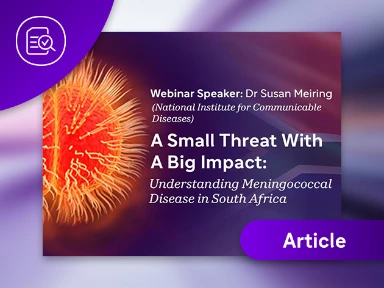



Clinically relevant vaccine-preventable diseases in South Africa include invasive meningococcal disease, pertussis, respiratory syncytial virus and other conditions covered by the national immunisation programme. Each of these carries a distinct epidemiological pattern and at-risk population, informing tailored prevention strategies. Ongoing national surveillance through bodies such as the NICD helps track disease trends over time. Understanding local epidemiology supports more relevant clinical counselling and vaccination recommendations.
Epidemiological data on disease incidence, seasonality and at-risk populations helps inform which prevention strategies, such as routine childhood vaccination, maternal immunisation or passive immunisation, are most appropriately prioritised. This evidence base also supports clinical decision-making around timing and target populations for specific interventions. South African surveillance data, such as that from the NICD's GERMS-SA programme, provides locally relevant context for these decisions. This section draws on such data to ground prevention strategy discussion in local disease reality.
Healthcare professionals play a central role in recommending, administering and counselling patients on appropriate vaccination according to national immunisation guidance. Clinical vigilance for vaccine-preventable diseases in the differential diagnosis also supports earlier case recognition and appropriate public health reporting. Addressing vaccine hesitancy through clear, evidence-based counselling remains an important part of this role. Consistent healthcare professional engagement is a recognised driver of improved vaccination coverage.
Confirm that you are a healthcare professional to continue reading.
Click login to continue