
- Article
- Source: Campus Sanofi
Recognising the Clinical Manifestations of Meningococcal Disease
The evolving clinical presentation of invasive meningococcal disease, from early subtle signs to severe features.
.2023-12-04-08-14-49.svg)
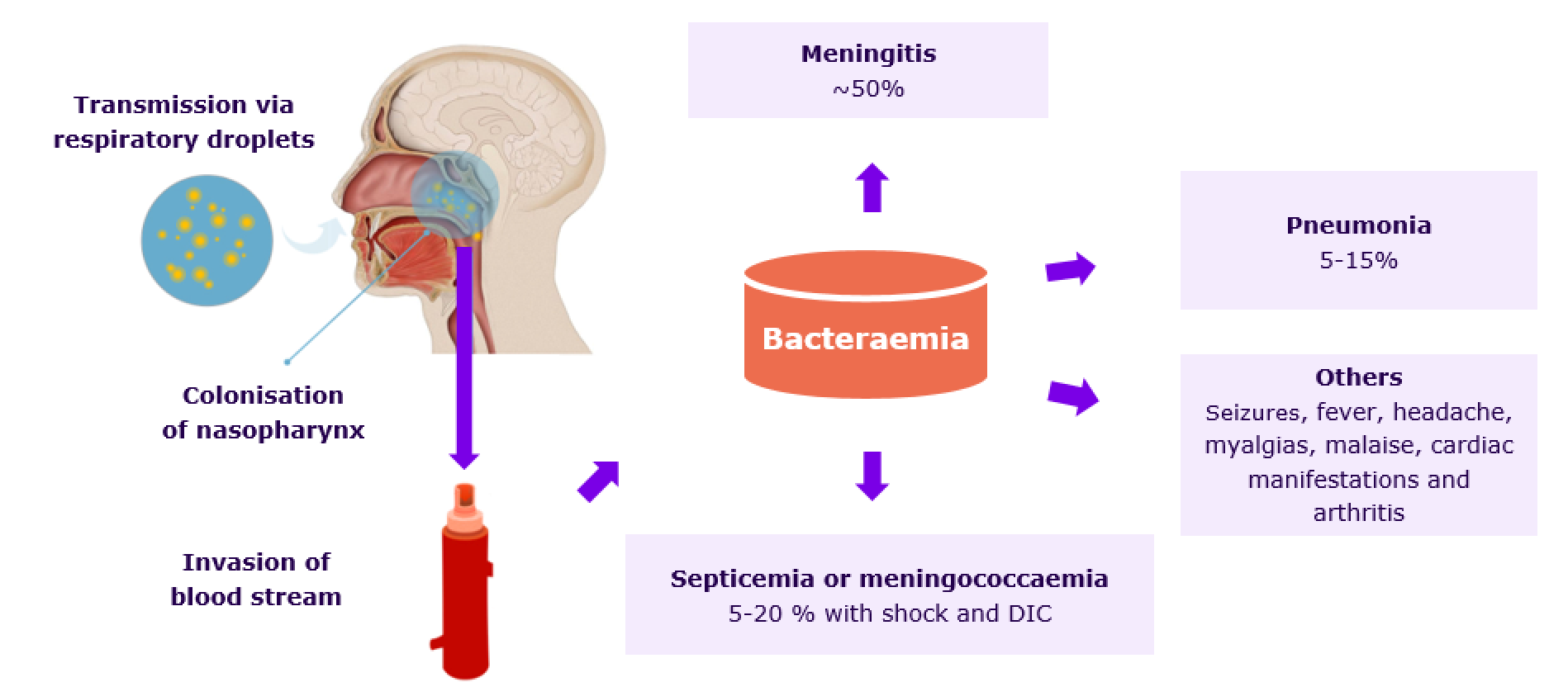
Non-spesific and variable features of IMD1,2
- McNamara LA, Pollard AJ, Harrison LH. Meningococcal Capsular Group A, C, W, and Y Conjugate Vaccines. In: Orenstein W, Offit P, Edwards KM, Plotkin S, editors. Plotkin's Vaccines. 8th ed. Elsevier; 2023. p. 664- 689.e12. ISBN 9780323790581.
- Rosenstein NE, Perkins BA, Stephens DS, Popovic T, Hughes JM. Meningococcal disease. New England journal of medicine. 2001 May 3;344(18):1378-88.
Clinical manifestations of IMD
|
Meningitis is an acute inflammation of the protective membranes covering the brain.
|
Meningococcemia3
|
Meningococcal septic shock, is the main determinant of the burden of IMD and is associated with high morbidity and mortality4,6
|
Meningococcal pneumonia, it may be underdiagnosed due to the inability to distinguish N. meningitidis in sputum samples as being invasive in origin or due to carriage1 |
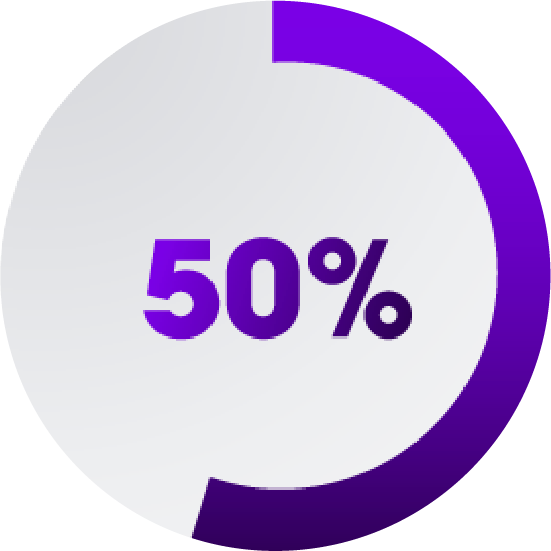
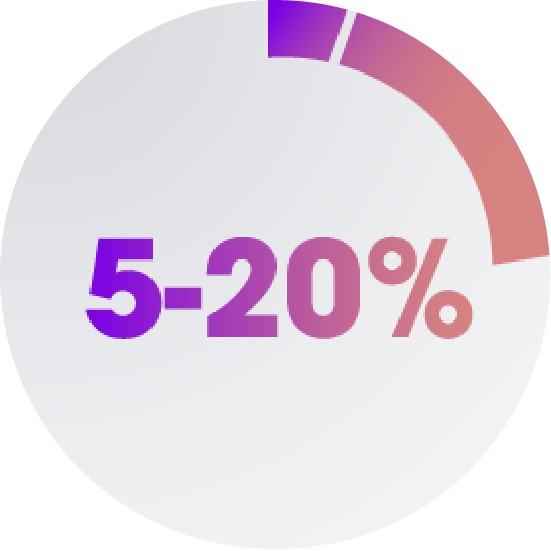
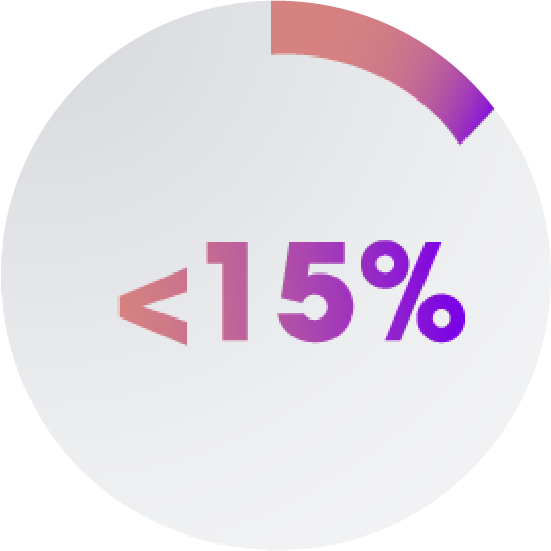
- Less common manifestations of IMD include conjunctivitis, otitis media, meningococcal septic arthritis (2%), epiglottitis, arthritis, urethritis, and pericarditis1,7,8
- In infants, children, and young adults, IMD usually presents as meningitis or meningococcal septic shock, either alone or in combination4
- Martinón-Torres F, J Adolesc Health. 2016;59(2 Suppl):S12-S20;
- Bosis S et al., J Prev Med Hyg. 2015;56(3):E121-E124;
- Rosenstein NE et al., N Engl J Med. 2001;344(18):1378-1388;
- Nadel S et al., Front Pediatr. 2018;6:321;
- National Health Service, UK. Overview: meningitis. https://www.nhs.uk/conditions/meningitis/. Updated 25 October 2022 [accessed April 2023];
- Stoof SP et al., Clin Infect Dis. 2015;61(8):1281- 1292;
- Government of Canada. Pathogen safety data sheets: infectious substances–Neisseria meningitidis. https://www.canada.ca/en/public-health/services/laboratory-biosafetybiosecurity/pathogen-safety-data-sheets-risk- assessment/neisseria-meningitidis.html. Updated 15 May 2019 [accessed 12 November 2019];
- MacNeil J, Patton M., CDC, VPD surveillance manual. Meningococcal disease 2017
Early signs are often non-specific and may include fever, irritability, lethargy, poor feeding in infants, and leg pain that appears disproportionate to other findings. These early features closely resemble common viral illnesses, which is a key reason for diagnostic delay. Clinicians are encouraged to reassess patients who do not improve as expected or who show any deterioration. A low threshold for reassessment can support earlier identification before more specific features develop.
Later, more specific features include a non-blanching petechial or purpuric rash, neck stiffness, photophobia and altered level of consciousness. The non-blanching rash is a particularly recognised warning sign, though its absence does not exclude the diagnosis, especially early in the illness. Rapid haemodynamic deterioration can occur once septicaemia develops, requiring urgent recognition and treatment. Given the pace of potential progression, any of these features warrant immediate escalation of care.
Invasive meningococcal disease can progress from initial symptoms to life-threatening sepsis or meningitis within hours, making early recognition a critical determinant of patient outcome. Delayed recognition and treatment are associated with significantly higher rates of mortality and long-term sequelae, such as neurological complications or limb loss. This urgency is reflected in guidance encouraging a low threshold for clinical suspicion and rapid escalation. Awareness of the evolving clinical picture supports more timely intervention in practice.
Confirm that you are a healthcare professional to continue reading.
Click login to continue
Meningococcal Vaccination Impact: Hajj Pilgrimage Case Studies and Global Benefits
Comprehensive analysis of meningococcal vaccine effectiveness during Hajj pilgrimages, featuring case studies from Singapore and Saudi Arabia. Highlights significant reduction in IMD cases post-vaccination and explores the broader benefits of meningococcal conjugate vaccines, including herd immunity and reduced global transmission.

Beyond Survival: Why Does IMD Rank as a High-Impact, Low-Incidence Threat Among Other Vaccine-Preventable Diseases?"
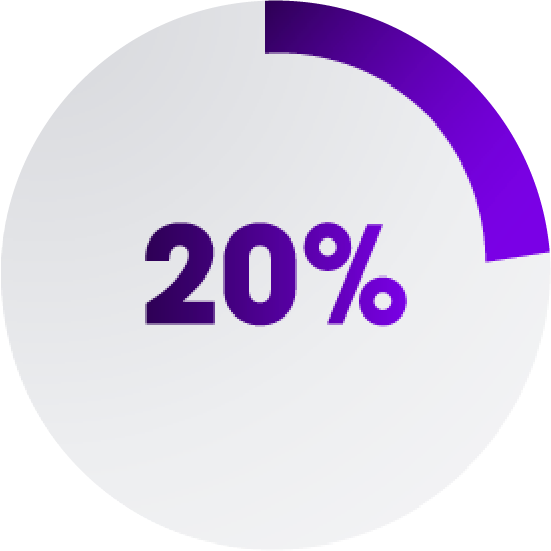
Comprehensive analysis of Invasive Meningococcal Disease (IMD) outcomes, featuring detailed mortality rates by serogroup and age group, with focus on the 20% survivor sequelae rate. Includes comparative analysis with other vaccine-preventable diseases (VPDs) and highlights the critical 24-hour window for treatment intervention.

Protecting Pilgrims: Meningococcal Disease Risk Factors During Mass Gatherings
Comprehensive analysis of meningococcal disease risk factors during mass religious gatherings, with focus on the Hajj pilgrimage. Details environmental challenges, demographic vulnerabilities, and transmission dynamics among pilgrims, local residents, and healthcare workers in Mecca, with emphasis on crowded conditions and N. meningitidis carriage rates.