
Uncontrolled CRSwNP: Position of Advanced Therapy
Chronic rhinosinusitis with nasal polyps (CRSwNP) is a chronic, type 2 inflammatory disease that often remains uncontrolled despite standard medical and surgical treatment. According to the international EUFOREA definition, uncontrolled CRSwNP is defined by1:
- 1. Patient-reported lack of control
- 2. Clinically relevant symptoms of active disease

Uncontrolled CRSwNP: Burden & Management Options
Treatment of uncontrolled CRSwNP involves a stepwise approach of increasing intensity and repetitiveness of interventions:1
Ongoing uncontrolled disease and prolonged type 2 (T2) inflammation in CRSwNP are associated with a reduced probability of recovering normal olfactory function, epithelial remodeling, and repeated polyp formation.2 These changes caused by the ongoing inflammation become increasingly complex and harder to reverse over time, which highlights the importance of early intervention.2,3
As an example, longer duration of smell impairment and T2 inflammation seem to affect smell recovery even upon advanced therapy, possibly causing irreversible neuroepithelial damage: only 11.3% of patients with long-standing severe asthma and coexisting severe chronic rhinosinusitis achieved normosmia upon 2 years of biologic treatment.4 According to the authors, this observation supports the importance of earlier intervention to preserve the 'window of opportunity' for olfactory restoration before permanent sensory loss occurs.4
Surgical treatment of uncontrolled CRSwNP – Efficacy and Limitations
Endoscopic sinus surgery remains a cornerstone of the management of uncontrolled CRSwNP1. According to current data, the timing and extent of surgical intervention can influence treatment outcomes, indicating that patients who receive surgical treatment earlier in the disease course experience better sinonasal and asthma-related outcomes, lower healthcare resource utilization (HCRU), and reduced cumulative corticosteroid burden compared with those in whom treatment is delayed.5-11
ESS has significant, broad, and long-lasting positive impacts on multiple sinonasal domains in patients with CRSwNP. However, the procedure does not result in sustained disease control for all patients. Approximately 10–20% of patients require revision procedures, and up to 50% report persistent symptoms despite surgery.5 These findings underscore that ESS is an effective intervention for the majority of patients; however, in patients who experience inadequate or incomplete disease control, additional or alternative treatment strategies should be considered.1
Early endoscopic sinus surgery for CRSwNP is associated with reduced progression to moderate/severe asthma, fewer asthma exacerbations, and lower reliance on oral corticosteroids, long-acting beta-agonists (LABAs), and biologic therapies.6 These findings suggest that early surgical intervention may alter asthma trajectory in patients with concurrent CRSwNP and reduce overall treatment burden.6
Beyond asthma outcomes, patients treated surgically early in the disease course have demonstrably lower healthcare resource utilization (HCRU) compared with patients treated after prolonged periods of failed medical management.7 Early intervention thus appears to reduce both the systemic inflammatory burden and the cumulative healthcare expenditure associated with CRSwNP.
CRS patients with delayed surgery reported significantly less improvement in SNOT-22 scores compared with patients treated at earlier time points, regardless of co-morbid asthma status.8 This finding suggests that postponing surgical intervention may result in worse sinonasal outcomes.
Delayed FESS is also associated with significantly greater odds of needing advanced therapy, such as biologic treatment, as well as a greater number of outpatient visits and prescriptions related to medical management.9,10 This pattern indicates that delayed surgical intervention may lead to need of more intensive pharmacological therapy.
The cumulative burden of oral corticosteroid (OCS) use in patients with CRSwNP who do not undergo timely surgical intervention remains substantial. Even modest cumulative systemic corticosteroid exposure (0.5–1 g prednisolone-equivalent, equating to approximately 2–5 lifetime short courses of 200 mg) has been associated with increased risk of cardiovascular disease, osteoporosis, and other systemic complications.11
The number of previous endoscopic sinus surgeries (ESS) has been identified as an independent risk factor for suboptimal olfactory recovery. Data from the DUPIREAL real-life severe CRSwNP population demonstrate that prior surgery, particularly when repeated, can negatively affect olfactory outcomes.12 Consistent with this, the greater the number of prior sinus surgeries, the smaller the probability of recovering olfactory function following each subsequent surgical revision.13 Surgery-naïve patients had a higher chance of improvement in olfaction compared with those with prior surgery; patients with 3 or more prior surgeries reported minimal improvement in patient-reported outcomes, including visual analogue scale (VAS) for impaired smell.14
Repeated sinus surgery is associated with frequent anatomic and pathophysiologic findings, including bone reformation and scarring.15 Osteitis is recognized as a common factor in recalcitrant CRS, with evidence for an association between osteitis and revision surgeries and CRS severity.16
The incidence of surgical complications has been shown to increase with revision procedures. Among 9178 Swedish patients who underwent sinus surgery, the number of patients experiencing complications was higher in those who underwent revision surgery (312 patients,17.8%) compared with patients undergoing only one surgery (472 patients, 6.4%, p < 0.001).17 Furthermore, the benefit of surgery seem to be sustained for a shorter duration with each additional surgery, the interval between surgery need being only half as long between the fourth and fifths surgery compared to what it was between the first and second surgeries.18
When limited functional endoscopic sinus surgery (FESS) has already failed, escalation to full FESS may improve some outcomes in the short term.19 However, by 2 years, quality of life and steroid use are similar to baseline,19 suggesting that biologics may represent a more rational next step than repeat surgery for patients with recurring disease.20
Uncontrolled CRSwNP patients seem to benefit from biologic treatment despite prior surgical history; however, patients subjected to multiple surgeries have demonstrated worse outcomes during biologic treatment, particularly with respect to craniofacial pain and olfactory dysfunction.20 The poorer outcomes observed in patients with multiple surgeries may reflect anatomical changes from repeated procedures, more severe underlying disease, or longer-standing olfactory dysfunction.20
An international expert consensus meeting of experts from Europe, Australia, South Africa, and North and South America, stated that if traditional medical therapy is insufficient to achieve adequate symptom control in type 2-dominant CRS, offering endoscopic sinus surgery should not be delayed.21 Moreover, early surgical intervention in the course of disease (within 12 months after initial diagnosis) was generally considered to have better outcomes, including SNOT-22 scores, postoperative health care utilization, and risk of developing asthma, than delayed surgery, although full consensus was not reached in the latter one.12
Key Takeaway
Endoscopic sinus surgery (ESS) provides meaningful benefit for the majority of uncontrolled CRSwNP patients and should not be unnecessarily delayed. Early surgical intervention is associated with improved asthma outcomes, reduced healthcare resource utilization, and better long-term sinonasal disease control. Delayed surgical treatment has been linked to worse disease control, greater likelihood of requiring advanced therapy in the future, and increased cumulative steroid burden with associated systemic morbidity. However, multiple revision surgeries are linked with progressive reduction of benefits and increase of surgery-related risks, such as lower probability of recovering normal olfactory function. Therefore, escalation to other therapeutic options should be considered in case of polyp recurrence after ESS. |
CRSwNP Guidelines and Scientific evidence: When to Consider Biologic Treatment?
International guidelines recommend that biologic therapy should be considered following one adequate ESS patients with type 2 CRSwNP, if the patient remains uncontrolled (Figure 1).
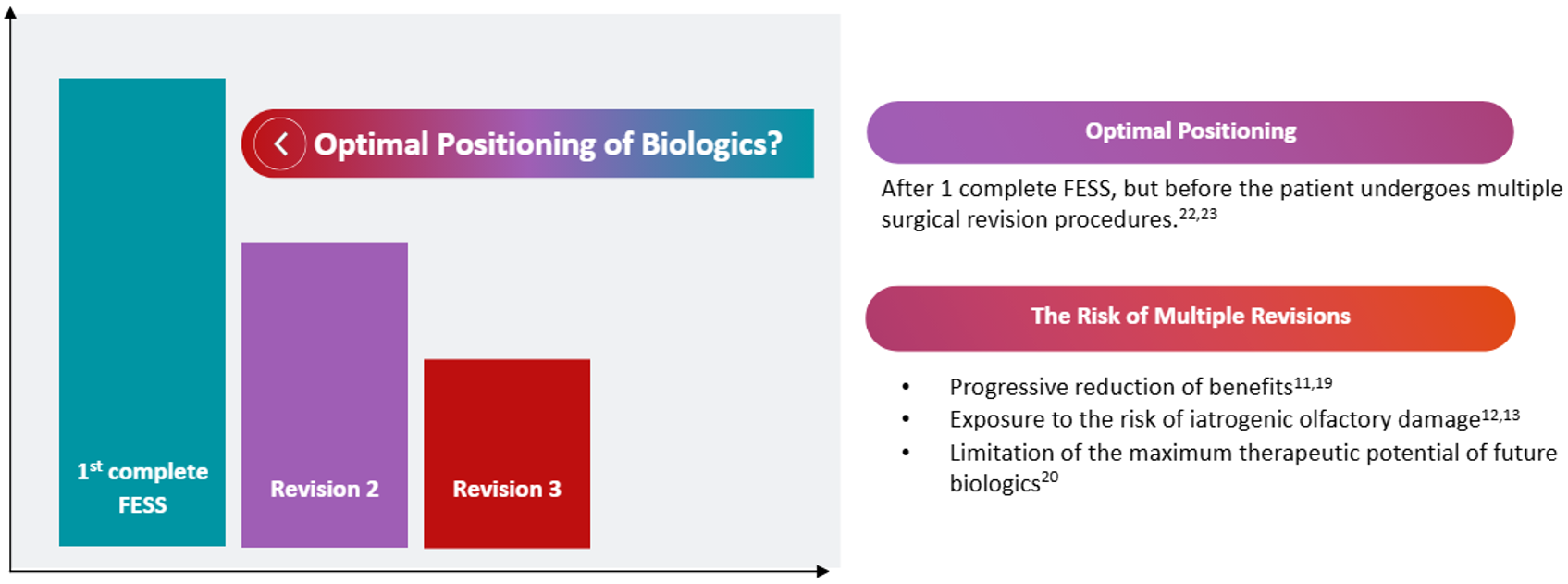
Figure 1. The optimal timing of biologics in CRSwNP management.
The 2026 EUFOREA Biologics Pocket Guide recommends a stepwise approach to CRSwNP management: where regular treatment fails to achieve adequate disease control, complete ESS should be performed and treatable traits reidentified. If disease control is not subsequently achieved, initiation of biologic therapy should be considered.1
The European Position Paper on Rhinosinusitis and Nasal Polyps (EPOS) highlights that, in CRSwNP characterized by type 2 inflammation, revision surgery is less likely to confer meaningful benefits. More than 50% of disease recurrences occur in patients with type 2 inflammation, which highlights the importance of endotyping and identifying high-risk patients.22
The 2026 EAACI guidelines acknowledge that ESS significantly improves asthma control, reduces medication use, and enhances sinonasal outcomes, particularly in patients with severe comorbid asthma. However, these patients frequently require recurring surgical procedures, highlighting the limitations of a surgery-dependent management strategy and the need for earlier escalation to biologic therapy in this high-burden, type 2 dominant patient group.23
There are currently four biologics (dupilumab, mepolizumab, omalizumab, and tezepelumab) that have demonstrated efficacy in CRSwNP.1 All of them are indicated as an add-on therapy with intranasal corticosteroids for the treatment of adults with severe CRSwNP for whom therapy with systemic corticosteroids and/or surgery do not provide adequate disease control.1
Current clinical and real-world evidence supports escalation to biologic therapy before the patient undergoes multiple sinus surgeries.1 Biologic therapy has been shown to improve CRSwNP outcomes regardless of prior surgeries: as an example, dupilumab was shown to improve CRSwNP outcomes on the phase 3 study population irrespective of prior surgical history, with greater improvements in endoscopic outcomes observed in patients with shorter duration since last surgery.24 Similar sustained clinical benefit regardless of baseline surgical history has also been demonstrated in real-life severe CRSwNP patients treated with dupilumab.25
In patients with uncontrolled CRSwNP after previous surgeries, biologic treatment has demonstrated better treatment outcomes compared to revision surgery: in a retrospective cohort of patients who had undergone at least two endoscopic sinus surgeries, dupilumab treatment resulted in greater reductions vs. revision FESS in disease severity (median NPS reduction: −6.00 vs. −4.00; p = 0.012), superior quality-of-life improvement (mean SNOT-22 reduction: −59.39 vs. −21.37; p < 0.001), and significantly better olfactory function recovery (mean Sniffin' Sticks improvement: +4.65 vs. +2.19; p = 0.001).26 Additionally, revision endoscopic sinus surgery is rarely needed in CRSwNP patients treated with a biologic treatment.27
Key Takeaway
Current international guidelines, including EUFOREA, EPOS, and EAACI, support biologic initiation after one adequate ESS in patients with uncontrolled type 2 CRSwNP. Repeating surgery in patients with type 2 inflammation is unlikely to provide sustained benefit. Clinical and real-world evidence demonstrates that biologic therapy provides meaningful and sustained benefit in CRSwNP patients regardless of surgical history, and can demonstrate better treatment outcomes compared to repeated surgery. Rescue surgery is rarely required during biologic treatment, indicating durable disease control and reduced cumulative surgical burden. |
-
Fokkens WJ et al. Biologics in Upper and Lower Airway Diseases. EUFOREA Pocket Guide. Brussels: EUFOREA; 2026 [cited August 2026]. Available at: https://s3.nl-ams.scw.cloud/euforea-wp-production/uploads/2026-Biologics-pocket-guide-EN-watermark-.pdf
-
Bachert et al. The interleukin-4/interleukin-13 pathway in type 2 inflammation in chronic rhinosinusitis with nasal polyps. 2024, Front Immunol. 2024 Apr 16;15:1356298.
-
Liao et al. Multi-scaled transcriptomics of chronically inflamed nasal epithelium reveals immune-epithelial dynamics and tissue remodeling in nasal polyp formation. 2025, Immunity 58, 2593–2608.
-
Dewey C, et al. Efficacy of endoscopic sinus surgery for chronic rhinosinusitis: a systematic review of systematic reviews. Eur Arch Otorhinolaryngol. 2026;283(4):2077–2091.
-
Oliver JR, et al. Asthma outcomes following early versus delayed sinus surgery in chronic rhinosinusitis with nasal polyps. Int Forum Allergy Rhinol. 2026;16(5):477–483.
-
Benninger MS, Holy CE, Sindwani R, Hopkins C. Early versus delayed endoscopic sinus surgery in patients with chronic rhinosinusitis: impact on health care utilization. Otolaryngol Head Neck Surg. 2014;151:P116–P116.
-
Hopkins C, Rimmer J, Lund VJ. Does time to endoscopic sinus surgery impact outcomes in chronic rhinosinusitis? Prospective findings from the National Comparative Audit of Surgery for Nasal Polyposis and Chronic Rhinosinusitis. Rhinology. 2015;53(1):10–17.
-
Duggal P, et al. Impact of early versus delayed functional endoscopic sinus surgery for chronic rhinosinusitis with nasal polyps. Otolaryngol Head Neck Surg. 2026;174(3):671–677.
-
Isaman D, et al. Treatment burden and healthcare resource utilization in patients with chronic rhinosinusitis with nasal polyps who did or did not undergo functional endoscopic sinus surgery: a US real-world retrospective cohort study. J Comp Eff Res. 2026;15(3):e250065.
-
Scheire S, Lourijsen E, Blauwblomme M, et al. Meta-Analysis on the Harm of Systemic Glucocorticosteroids in Inflammatory Upper Airway Disease and Asthma: An EAACI Task Force. Allergy. 2026:1–36.
-
De Corso E, et al. Influence of multiple prior endoscopic sinus surgeries on dupilumab efficacy including smell function in the DUPIREAL population. Clin Otolaryngol. 2026;51(2):285–295.
-
Nguyen DT, et al. Can surgeons predict the olfactory outcomes after endoscopic surgery for nasal polyposis? Laryngoscope. 2015;125(7):1535–1540.
-
Higgins TS, et al. Importance of smell loss to patients with chronic rhinosinusitis with nasal polyps: options for management and recovery. Clin Transl Allergy. 2026;e70149.
-
Menzella F, et al. Dual remission in moderate-to-severe asthma and nasal polyps: a multicentric observational Phase IV real-life study (DREAM-NP). Expert Opin Biol Ther. 2026 Jul 26:1–10.
-
Bewick J, et al. Anatomic findings at revision endoscopic sinus surgery. Allergy Rhinol (Providence). 2016;7(3):e151–e157.
-
Svidvongs K, et al. Osteitis in chronic rhinosinusitis. Curr Allergy Asthma Rep. 2019;19(5):24.
-
Olsson P, et al. Complications and economic burden of surgery in chronic rhinosinusitis with nasal polyps: an observational cohort study using Swedish register data. Clin Otolaryngol. 2025;50(6):1061–1070.
-
Smith KA, et al. The benefits of sinus surgery are sustained for shorter durations with each subsequent revision surgery. Int Forum Allergy Rhinol. 2019;9:402–408.
-
P. Virkkula, et al. Efficacy of Full and Limited Endoscopic Sinus Surgery in Chronic Rhinosinusitis With Nasal Polyps: A Randomised Controlled Trial,” Allergy (2026): 1–15.
-
Alicandri-Ciufelli M, et al. Impact of single versus multiple surgeries in CRSwNP patients undergoing treatment with dupilumab. Acta Oto-Laryngologica. 2025.
-
Blauwblomme R, et al. European expert consensus on the timing of endoscopic sinus surgery in type 2-dominant CRS. Int Forum Allergy Rhinol. 2025;15(3):303–316.
-
EUFOREA Biologics Pocket Guide. 2026. Available at: EUFOREA.
-
Fokkens WJ, et al. EPOS 2020: European position paper on rhinosinusitis and nasal polyps. Allergy. 2019;74:2312–2319.
-
EAACI Guidelines on the management of chronic rhinosinusitis with nasal polyps. Allergy. 2026;81(4):1000–1023.
-
Hopkins C, Wagenmann M, Bachert C, et al. Dupilumab improved CRSwNP outcomes irrespective of surgery history, with greater improvements in endoscopic outcomes in patients with shorter duration since last surgery. Int Forum Allergy Rhinol. 2021;11(7):1087–1101.
-
Kamiński B, et al. Comparison of Dupilumab and Revision Endoscopic Sinus Surgery for Recurrent Chronic Rhinosinusitis with Nasal Polyps: A Retrospective Cohort Study. J Clin Med. 2026 Jul 4;15(13):5228.
-
Kemp AS, et al. Revision endoscopic sinus surgery is rarely needed in dupilumab-treated chronic rhinosinusitis with nasal polyps. Rhinology. 2026 Jun 1;64(3):327–333.
Dette kan også være av interesse

RELIBIO: Real-life Evaluation of the Efficacy of Biologicals in Chronic Rhinosinusitis With Nasal Polyposis
Dupilumab's* efficacy and safety in severe CRSwNP was established in the LIBERTY NP SINUS-24 and SINUS-52 randomized, double-blind, placebo-controlled phase 3 trials, and is reflected in the approved SmPC.1,2
As real-world context to this robust RCT evidence, the observational RELIBIO study** provides additional insight into clinical effectiveness, treatment response, and switching patterns among 360 patients with severe CRSwNP treated with dupilumab (n=53), omalizumab (n=65) and mepolizumab (n=242) in routine Belgian clinical practice.3

SINUS-24/SINUS-52 Demonstrated Reduced Need for Surgery and Oral Corticosteroids — Dupilumab Real-World Data Reinforces with 100% Reduction in the First Year of Treatment in Patients with Severe Uncontrolled CRSwNP
This Italian monocentric study (De Corso et al., 2022) evaluated the real-life effectiveness of dupilumab over the first year of treatment of severe Chronic Rhinosinusitis with Nasal Polyps (CRSwNP) (N=57).2 The results from this real-life observational study reinforces the efficacy of dupilumab demonstrated in the SINUS-24 and SINUS-52 randomized clinical trials and both the study design and results are consistent with the approved SmPC.1,2,3
