Breathing New Life into Severe Asthma Care
Discover a collection of short, expert-led videos exploring the latest insights and clinical strategies in severe asthma management.

What does it really take to move the needle in severe asthma care?
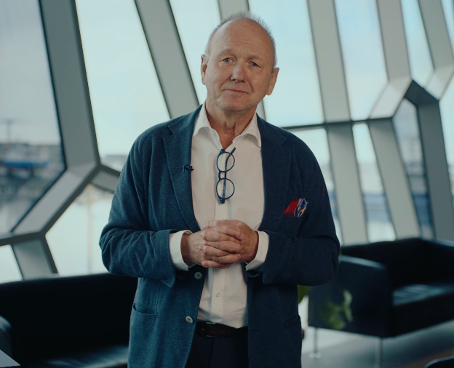
In this expert video series, Professor Brian Lipworth explores the evolving science of severe asthma – from the true predictive power of FeNO and eosinophils together, to spotting mucus plugging on CT, to why small airways disease may hide the largest share of type 2 inflammation in the lung. He also unpacks how comorbidities like nasal polyps, atopic dermatitis, and eosinophilic esophagitis can point toward a stronger response to biologics.
Professor Lipworth is also joined by Professor Klaus Rabe for a candid cross-disease discussion on whether blood eosinophils tell the same story in asthma and COPD. These conversations are frank, thought-provoking, and clinically relevant. Whether you're managing patients in primary care or a specialist setting, this series will challenge how you think about severe asthma and the tools available to treat it.


|
Interview with Professor Klaus RabeUnderstanding COPD, One Question at a Time
A collection of short, informative videos with Professor Klaus Rabe on biomarkers, biologics, and the bigger picture of living with COPD.
|
|
|
|
Severe Asthma Interviews with Prof. Brian Lipworth |
Prof. Brian Lipworth
The predictive value of FeNO
Professor Brian Lipworth explains why FeNO is one of the most important markers of type 2 inflammation, and how to increase its predictive value even further.
Prof. Brian Lipworth
Recognizing Mucus Plugging in Severe Asthma
In this interview, Professor Brian Lipworth discusses why high-resolution CT plays an important role in severe asthma assessment, and explains how mucus plugging is linked to impaired lung function, small airways disease, and biologic treatment decisions.

Prof. Brian Lipworth
Why Type 2 Comorbidities Matter
Asthma doesn't stop at the lungs. Nasal polyps, atopic dermatitis, eosinophilic esophagitis - Type 2 inflammation is a whole body phenomenon. Professor Brian Lipworth explains why recognizing comorbidities helps build a more complete picture of the patient's disease.
Prof. Brian Lipworth
Understanding Small Airways Disease
“You're only treating the beach towel — not the tennis court”. Professor Brian Lipworth uses a brilliantly simple analogy to explain why small airways matter so much in severe asthma.
|
|
COPD and Asthma: Are Eosinophils Different? |
Prof. Klaus Rabe and prof. Brian Lipworth
COPD and Asthma: Are Eosinophils Different?
Blood eosinophils are a hot topic in both asthma and COPD. In this candid exchange, Professor Rabe and Professor Lipworth debate whether blood eosinophils are a true disease driver or simply a biomarker, why the 300 cells/µL threshold matters, and what the clinical trial data is really telling us.

|
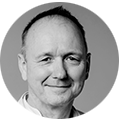
Professor Lipworth is a distinguished respiratory physician and researcher, and Professor of Allergy and Respiratory Medicine at the University of Dundee, affiliated with Ninewells Hospital and Medical School, Scotland, UK.
Professor Lipworth is internationally recognized for his extensive research in asthma and COPD, with particular expertise in airway pharmacology, small airways disease, type 2 inflammation, and inhaled therapies.
Professor Lipworth has authored more than 400 peer reviewed publications and is a frequent invited speaker at major international respiratory congresses. His work has had a significant impact on the clinical management of asthma and COPD, helping to translate mechanistic insights into everyday practice. |
|
Professor Rabe is a leading international expert in asthma and COPD. He serves as Scientific Director of the LungenClinic Grosshansdorf and is affiliated with the Christian Albrechts University of Kiel, Germany.
Professor Rabe is widely recognized for his contributions to respiratory research, particularly in the areas of airway inflammation, asthma–COPD overlap, disease phenotyping, and the translation of scientific evidence into clinical practice. He has authored numerous high impact publications and has played a key role in the development of international treatment guidelines. Professor Rabe is a frequent invited speaker at major global respiratory congresses. |