

A biologic treatment for COPD - MORE I CAN MOMENTS 1
INDICATION
DUPIXENT is indicated in adults as add-on maintenance treatment for uncontrolled chronic obstructive pulmonary disease (COPD) characterised by raised blood eosinophils on a combination of an inhaled corticosteroid (ICS), a long-acting beta2-agonist (LABA), and a long-acting muscarinic antagonist (LAMA), or on a combination of a LABA and a LAMA if ICS is not appropriate.
For additional information, please click below for the SmPC.
| TARGET
TYPE 2 INFLAMMATION |
REDUCE
EXACERBATIONS |
IMPROVE
HOW PATIENTS BREATHE AND FEEL |
| Discover the science behind DUPIXENT | Explore the efficacy results | Learn more |
MOD/MOA
DUPIXENT IS THE FIRST AND ONLY BIOLOGIC TO TARGET TYPE 2 INFLAMMATION IN COPD1
Watch to learn how DUPIXENT works
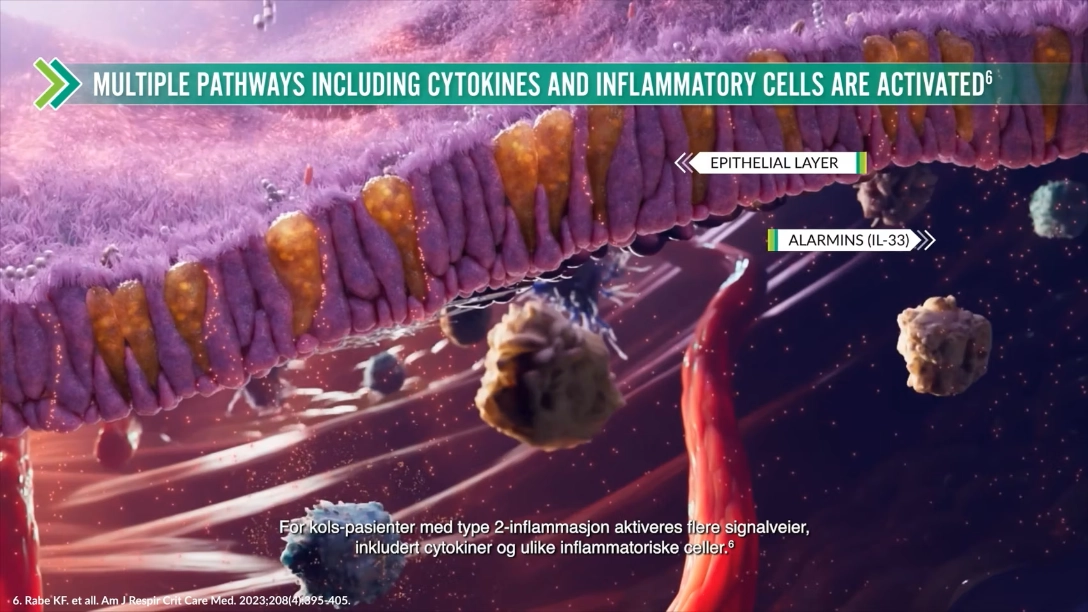
IL-4 and IL-13 are key and central cytokines of type 2 inflammation2 |
|
|
IL-4 perpetuates underlying type 2 inflammation by differentiating Th0 into Th2.3 |
IL-13 promotes goblet cell hyperplasia and mucus hypersecretion.3 |
Systemic Inflammation3 |
Local Inflammation3-6 |
|
|


Hallmark Symptoms7
- Dyspnea
- Cough
- Sputum production

DUPIXENT, through dual inhibition of IL-4 and IL-13, when used in combination with optimized inhaled therapy,a demonstrated an improvement in symptoms.1,8
a Triple inhaled therapy, or double inhaled therapy if ICS was not appropriate.1
Patient ID
ARE YOUR PATIENTS READY FOR MORE I CAN MOMENTS?
Your patient may be a good candidate for DUPIXENT1,7-9

Type 2 inflammation: Raised blood EOS levels (≥300 cells/μL)

Symptomatic while on optimized inhaled therapya: Breathlessness, cough, and mucus

Exacerbations: Experienced moderate exacerbations or at least 1 severe exacerbation in previous year
Patient profile is hypothetical and is not an actual patient.
a Triple inhaled therapy, or double inhaled therapy if ICS is not appropriate.1
A raised blood eosinophil level is recognized by the 2024 GOLD Report as a clinically useful biomarker in identifying COPD with type 2 inflammation.7
See Felix’s and Rita’s clinical histories.

Felix’s clinical history
Age 63
Patient profile is representative and is not an actual patient.
“It’s hard to make it through a workday. I have to sit down and rest before I can finish my mail route. And coughing up so much mucus is tough. I want to work until I’m 70 and enjoy retirement with my family, but I'm not sure my COPD will allow that.”
- On optimized inhaled therapy (ICS, LAMA, LABA; 1 dose per day)
- Evidence of type 2 inflammation1,7: raised blood EOS levels (310 cells/μL)
- 2 moderate exacerbations requiring treatment with OCS in the past year
- Quit smoking at age 43, 15 pack-year history
- 4 years since COPD diagnosis
- FVC: 2.7 L; FEV1/FVC: 0.67; post-BD FEV1: 1.8 L (65% predicted)
Treatment goal:
Improve breathing, reduce mucus, enjoy quality time with family.
Treatment challenge:
Felix remains symptomatic despite being on optimized inhaled therapy for 14 months.

Rita’s clinical history
Age 74
Patient profile is representative and is not an actual patient.
“I was in the ICU earlier this year. I used to get out to run errands, but now I’m chained to oxygen at home. I can barely make it to my mailbox. I’m scared that if I go back into the hospital, I might not come home again.”
- On optimized inhaled therapy (LAMA, LABA; 1 dose per day)
- Evidence of type 2 inflammation1,7: raised blood EOS levels (480 cells/μL)
- 1 severe exacerbation requiring hospitalization in the past year
- Quit smoking at age 73, 35 pack-year history
- 2 years since COPD diagnosis
- FVC: 2.5 L; FEV1/FVC: 0.52; post-BD FEV1: 1.3 L (48% predicted)
Treatment goal:
Reduce exacerbation risk, improve quality of life, celebrate simple moments.
Treatment challenge:
Rita recently quit smoking after several attempts, but her exacerbations have been severe. With each exacerbation increasing the risk of more, the situation is urgent.10
Efficacy
MORE I CAN MOMENTS
for patients still symptomatic on optimized inhaled therapya
A BIOLOGIC TREATMENT FOR COPD
a Triple inhaled therapy, or double inhaled therapy if ICS is not appropriate.1
Efficacy Exacerbations
MORE I CAN moments with reduced exacerbations1
DUPIXENT SIGNIFICANTLY REDUCED EXACERBATIONS1
Moderate or severe exacerbations are a major contributor to poor outcomes in COPD8
Exacerbation rate reduction
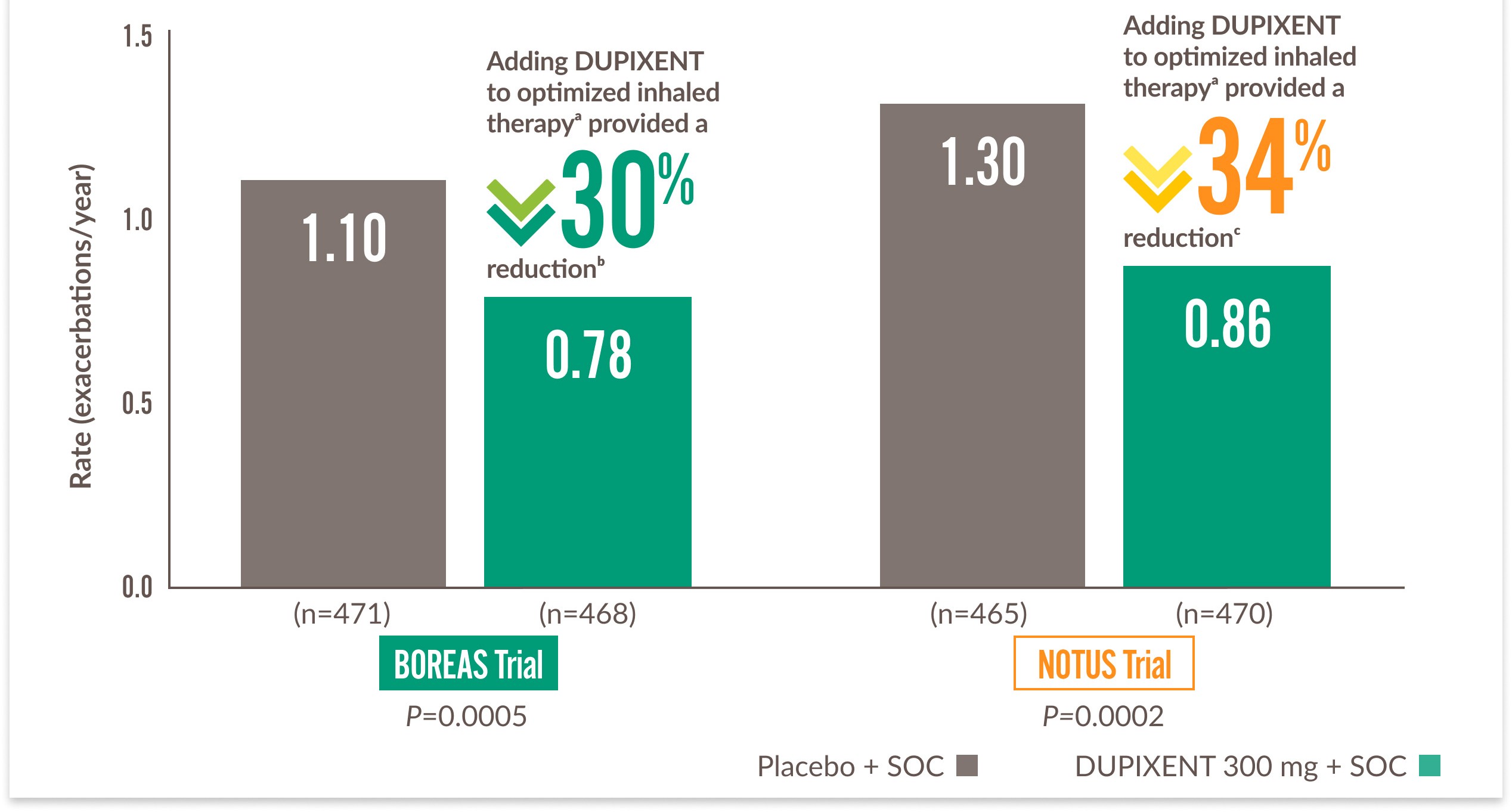
Annualized rate of moderate or severe COPD exacerbations at Week 52 (primary endpoint)1
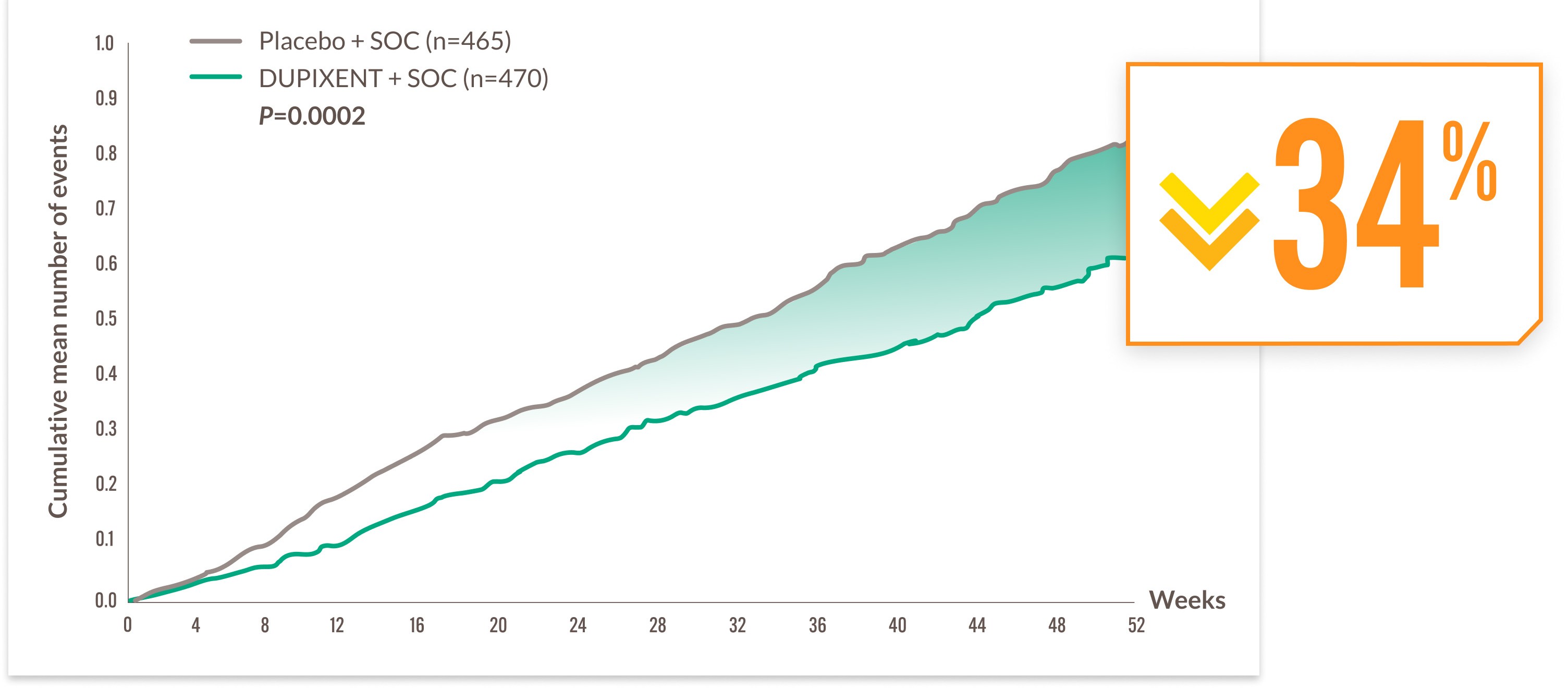
NOTUS Trial
Reduction in moderate or severe exacerbation rate1,d
Adding DUPIXENT to optimized inhaled therapya provided a reduction in moderate or severe exacerbations1
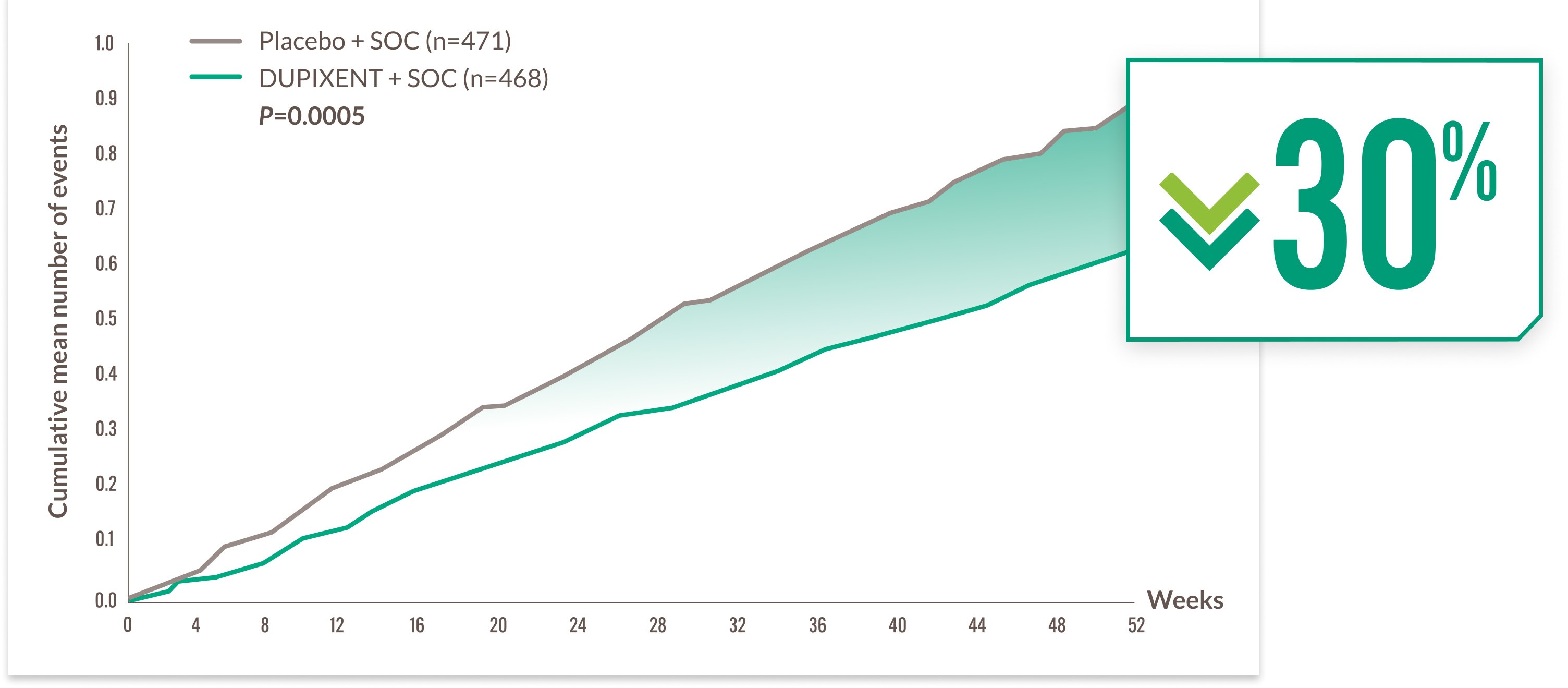
BOREAS Trial
Reduction in moderate or severe exacerbation rate1,d
Adding DUPIXENT to optimized inhaled therapya provided a reduction in moderate or severe exacerbations1
Subgroup efficacy
Exacerbation reduction seen across key patient subgroups regardless of1,8,9:
Number of moderate or severe exacerbations in prior year
(≤2, n=371 [BOREAS] and n=381 [NOTUS]; 3, n=57 [BOREAS] and n=57 [NOTUS]; ≥4, n=40 [BOREAS] and n=32 [NOTUS])e
Disease severity at baseline
(post-BD FEV1 % predicted: <50%, n=227 [BOREAS] and n=250 [NOTUS] or ≥50%, n=241 [BOREAS] and n=217 [NOTUS])

Smoking status at screening
(former, n=334 [BOREAS] and n=328 [NOTUS]; current, n=134 [BOREAS] and n=142 [NOTUS])
Moderate exacerbations were defined as exacerbations that resulted in treatment with systemic corticosteroids, antibiotics, or both.1
Severe exacerbations were defined as exacerbations that resulted in hospitalization or observation for over 24 hours in an emergency department or urgent care facility.1
a Triple inhaled therapy, or double inhaled therapy if ICS was not appropriate.1
b Rate ratio vs placebo: 0.71 (95% CI: 0.58, 0.86).1
c Rate ratio vs placebo: 0.66 (95% CI: 0.54, 0.82).1
d The primary endpoint was the annualized rate of moderate or severe exacerbations.1
e Inclusion criteria required patients to have experienced ≥1 exacerbation while on SOC.8,9
Efficacy Lung Function
MORE I CAN moments with improved breathing1
DUPIXENT PROVIDED RAPID AND SUSTAINED IMPROVEMENT IN PATIENTS’ BREATHING
Lung function improved as early as Week 2, sustained through Week 52
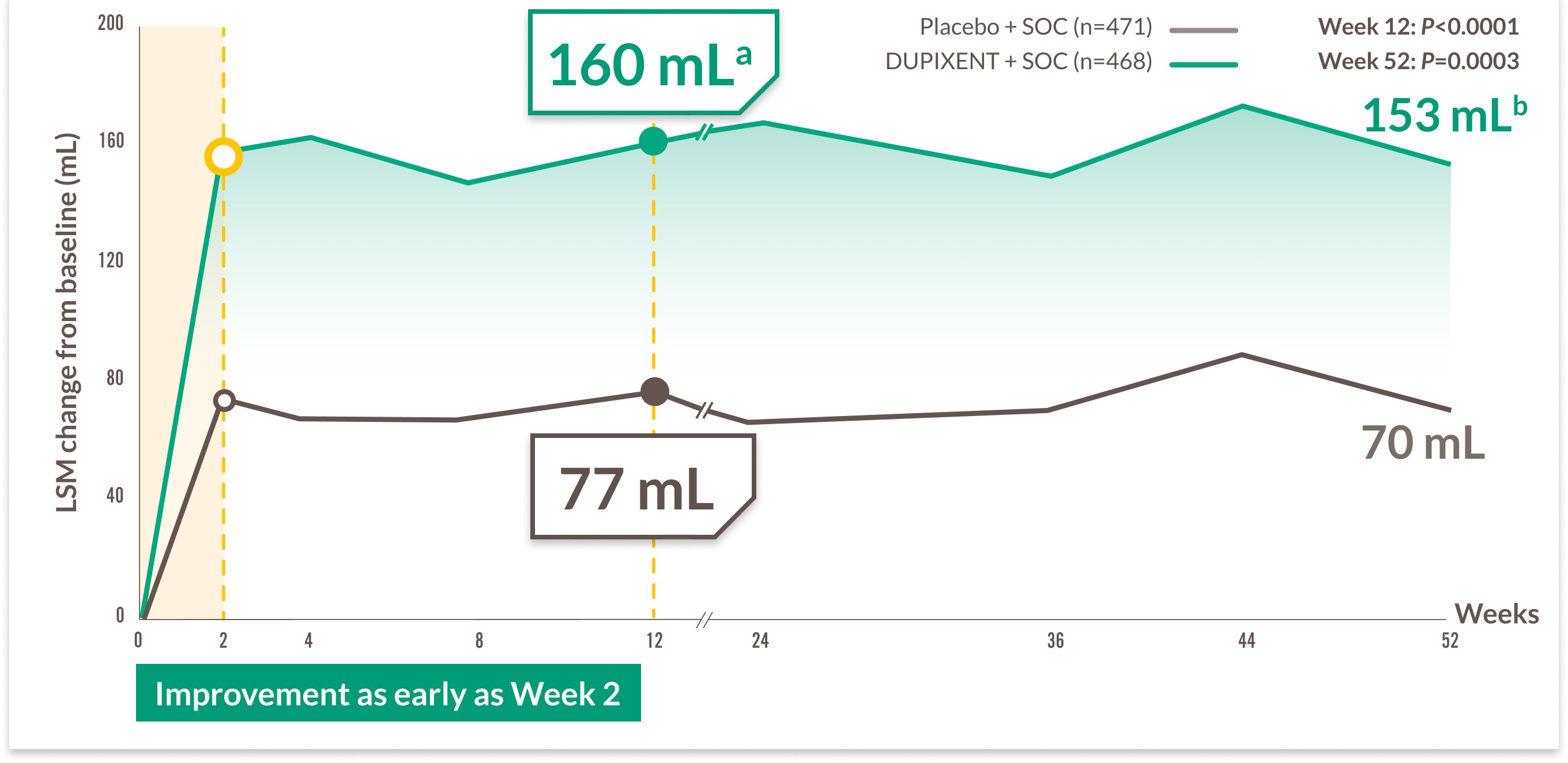
BOREAS Trial
Rapid and sustained improvement in lung function1,a,b

Improvement as early as Week 2
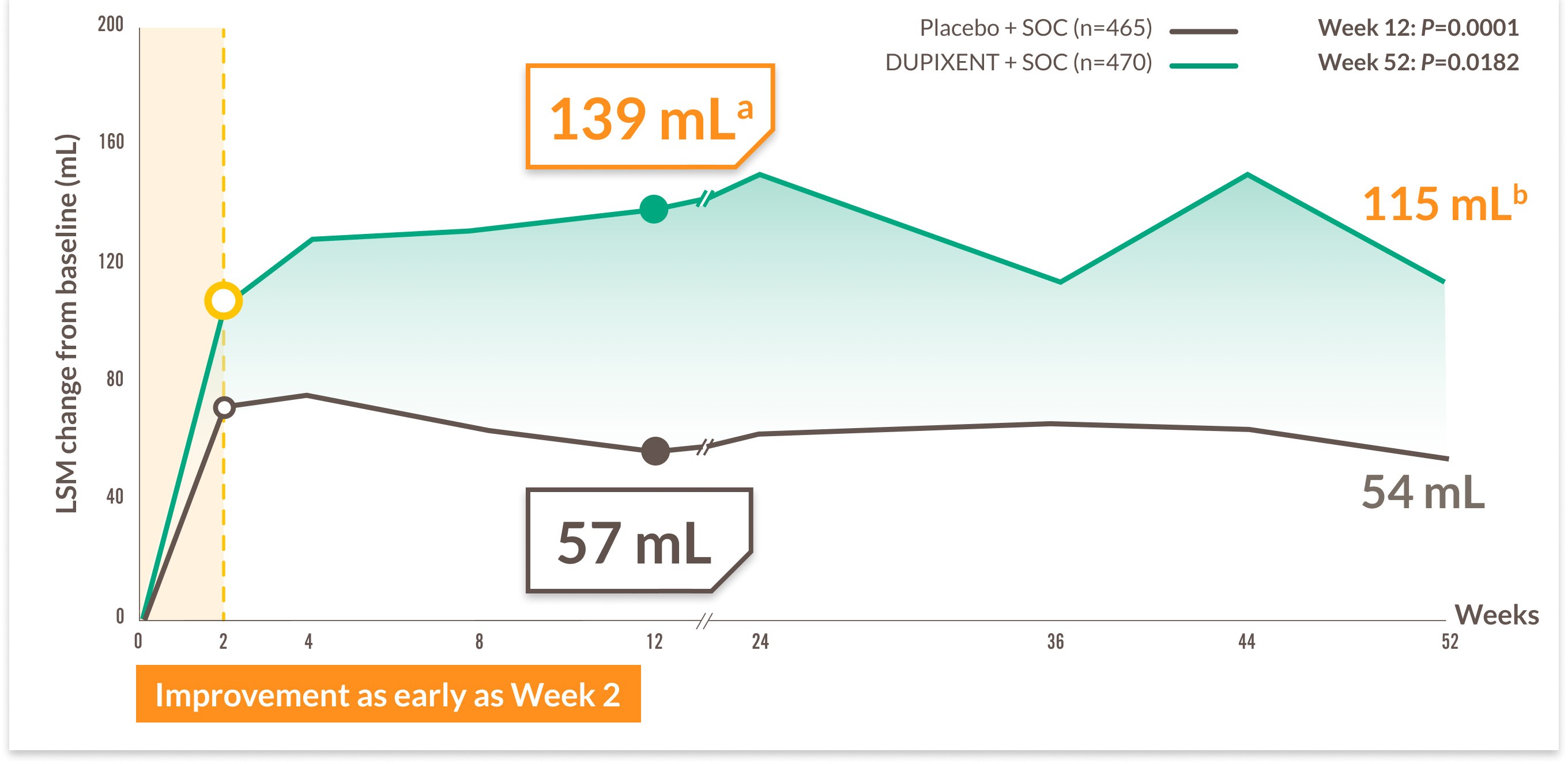
NOTUS Trial
Rapid and sustained improvement in lung function1,a,b
Improvement as early as Week 2
a Key secondary endpoint was the LSM change from baseline in pre-BD FEV1 at Week 12.1
b Key secondary endpoint was the LSM change from baseline in pre-BD FEV1 at Week 52.1
Quality of life
Improved quality of life with DUPIXENT for MORE I CAN moments1
DUPIXENTa SIGNIFICANTLY IMPROVED QUALITY OF LIFE FOR MOST COPD PATIENTS1,8
BOREAS Trial
51.5% of patients on DUPIXENTa achieved a clinically meaningful response in SGRQ total score (≥4 points) vs 43.1% with placebo at Week 52 (P=0.009)8,b,c
NOTUS trial
In the NOTUS trial, 51.4% of patients on DUPIXENTa achieved a nominally improved SGRQ total score vs 46.5% with placebo at Week 52 (OR: 1.16; 95% CI: 0.86, 1.58)9,b
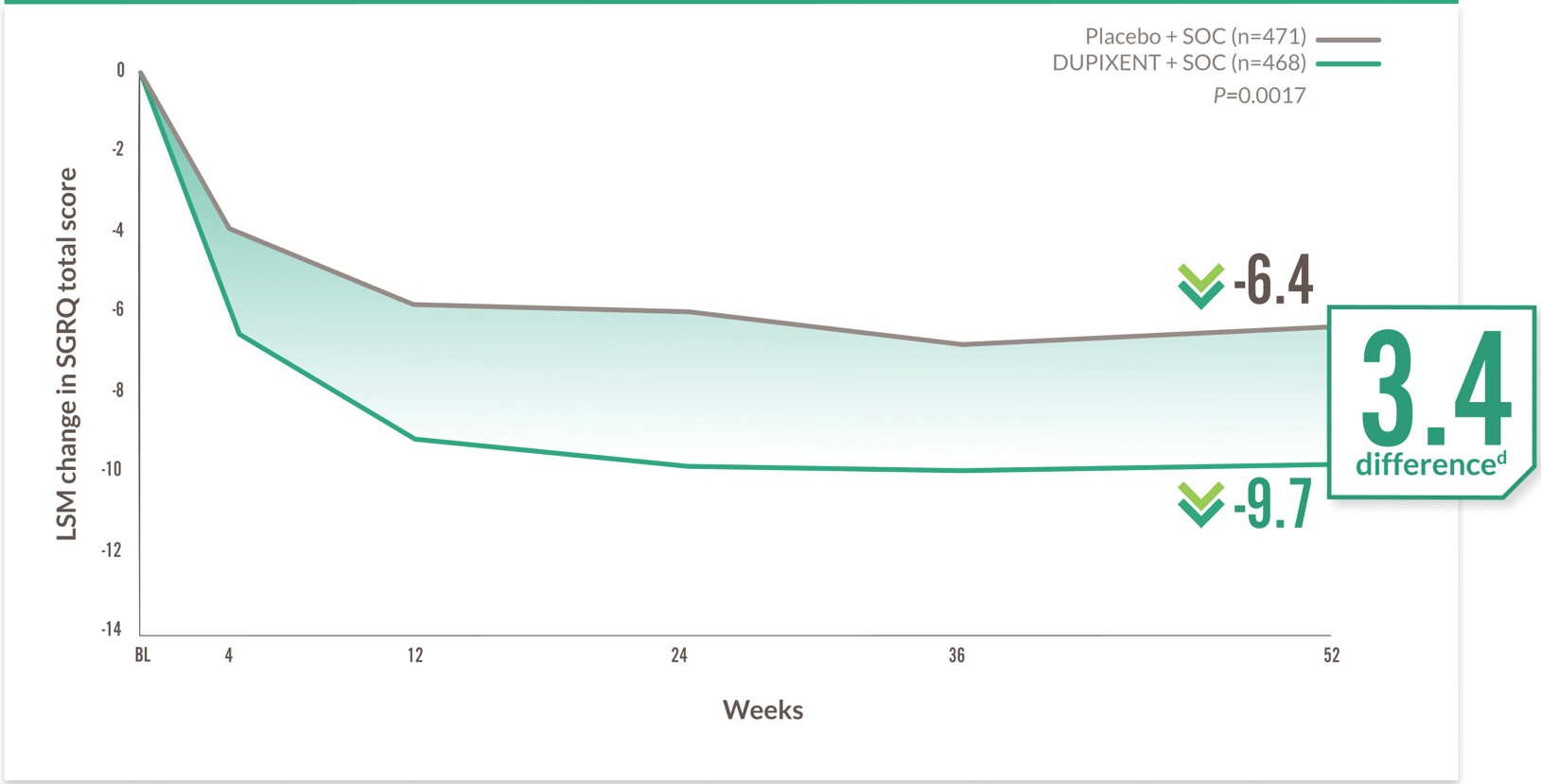
Improvement in quality of life (SGRQ)1,8,b
3.4 differenced
In the NOTUS trial, patients on DUPIXENTa experienced a nominal LSM difference in SGRQ total score compared with placebo of 3.37 points (95% CI: -5.81, -0.93; P=0.007).1

Cough

Sputum

Breathlessness

Wheezing

Exacerbations

Activities of daily living

Medication
a In addition to triple inhaled therapy, or double inhaled therapy if ICS was not appropriate.1
b Key secondary endpoint was the proportion of patients who achieved a ≥4-point improvement (minimal clinically important difference) in SGRQ total score at Week 52 (BOREAS OR: 1.4; 95% CI: 1.1, 1.9).8,9 In BOREAS 939 patients were randomized, 468 in the dupilumap group and 471 in the placebo group. In NOTUS 935 were randomized, 470 in the dupilumap group and 465 in the placebo group.
c The SGRQ is a 50-item questionnaire designed to measure and quantify health status in adult patients with chronic airflow limitation.8
d LSM difference (BOREAS; Week 52): -3.36 (95% CI: -5.46, -1.27); P=0.0017.1
Symptom Improvement
Improve symptoms for MORE I CAN moments with DUPIXENT8
DUPIXENT IMPROVED HALLMARK SYMPTOMS THAT IMPACT PATIENT WELL-BEING
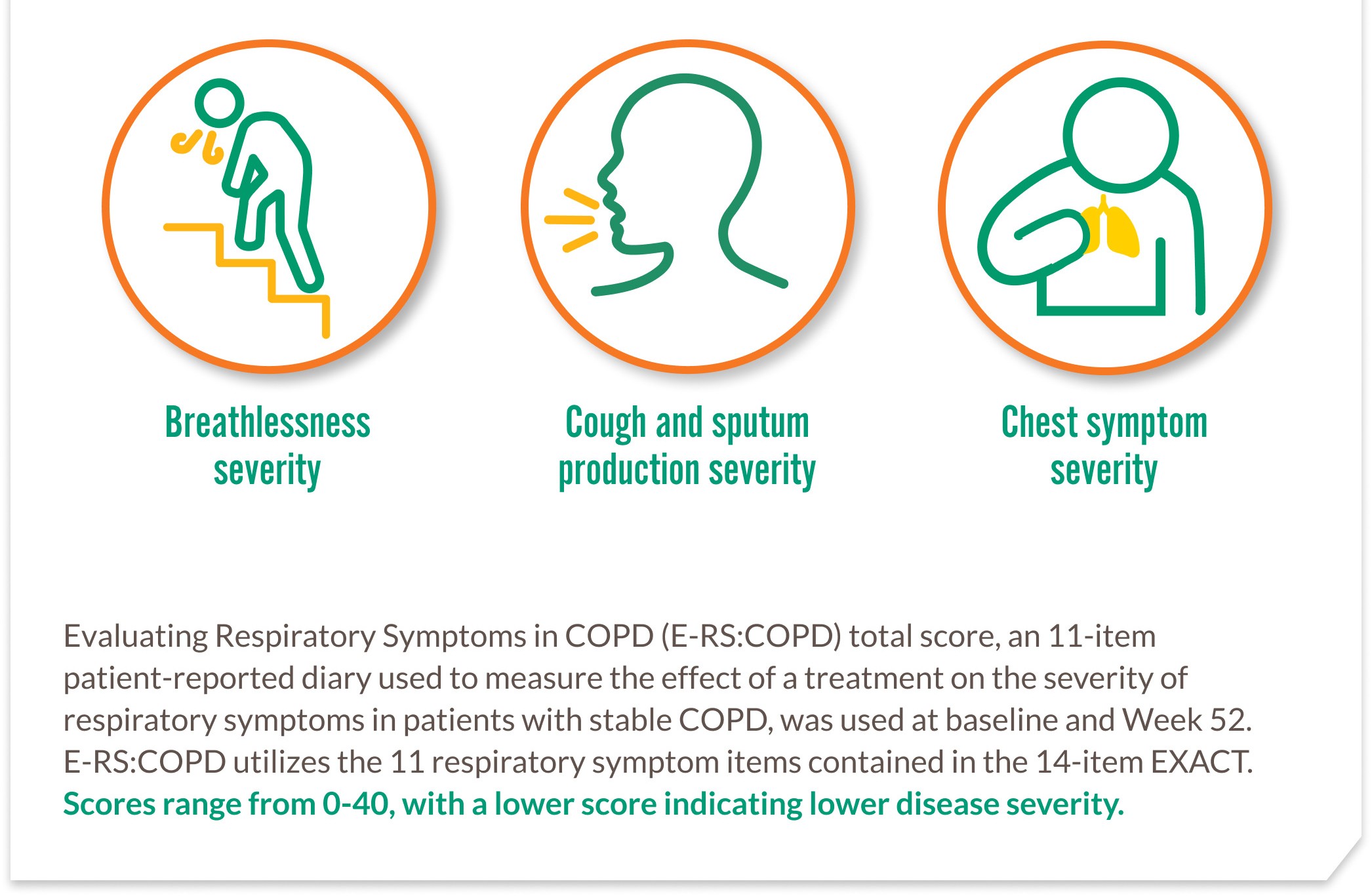
BOREAS Trial
Symptoms were assessed using E-RS:COPD8,12-14,a-c
All components of E-RS:COPD score improved
Evaluating Respiratory Symptoms in COPD (E-RS:COPD) total score, an 11-item patient-reported diary used to measure the effect of a treatment on the severity of respiratory symptoms in patients with stable COPD, was used at baseline and Week 52. E-RS:COPD utilizes the 11 respiratory symptom items contained in the 14-item EXACT. Scores range from 0-40, with a lower score indicating lower disease severity.
E-RS:COPD scores declined8,b,d
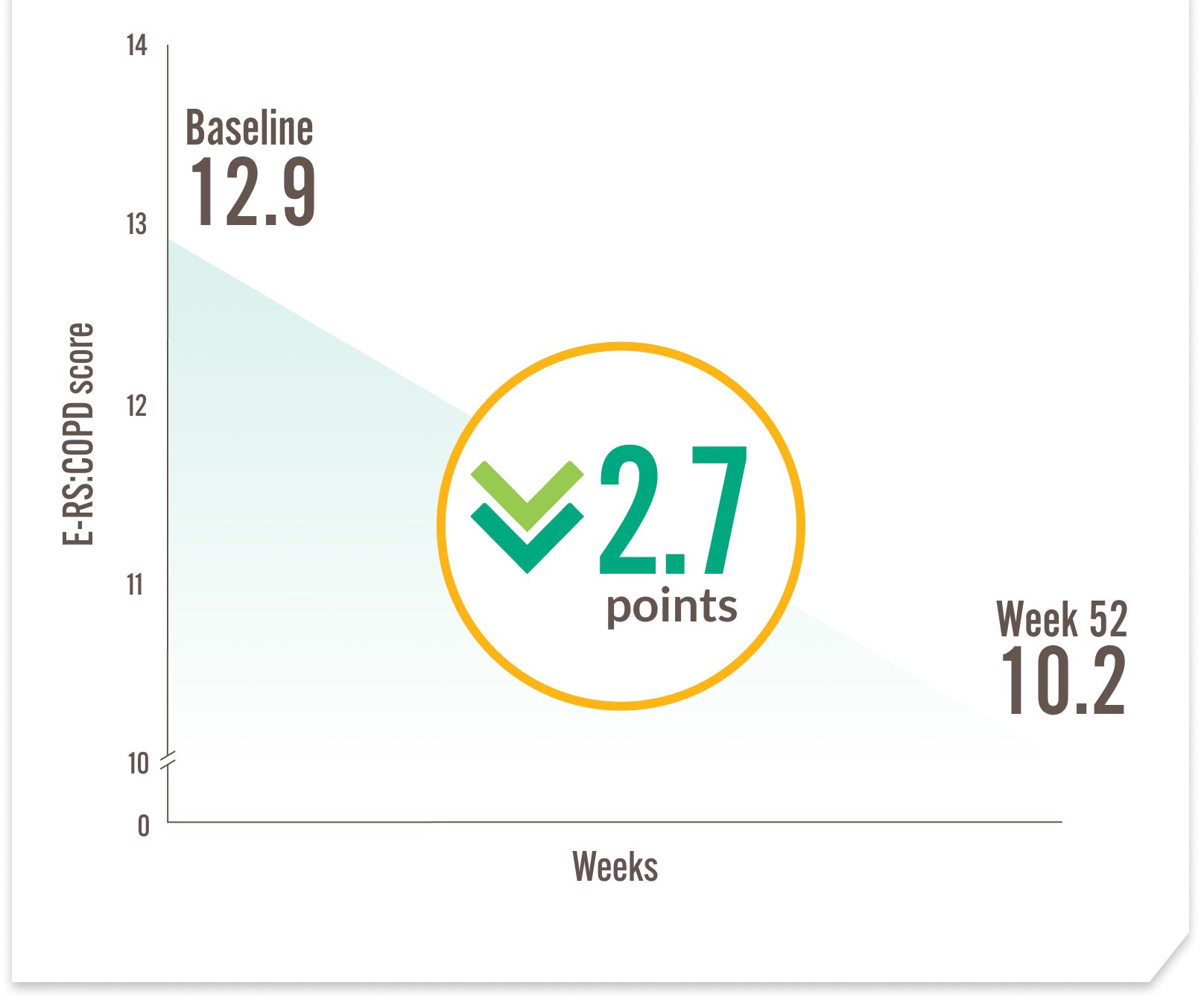
In the NOTUS trial, E-RS:COPD scores declined by 2.4 points.9
E-RS:COPD total clinically meaningful score change threshold is ≥2.0-point reduction.15
a Exploratory endpoint was the change from baseline in E-RS:COPD.8
b DUPIXENT in addition to triple inhaled therapy, or double inhaled therapy if ICS was not appropriate.1
c These are not the only symptoms assessed by E-RS:COPD.14
d E-RS:COPD scores range from 0 to 40, with higher scores indicating greater disease severity.14
Study Design
DUPIXENT enrolled COPD patients with type 2 inflammation across 2 clinical trials1,7
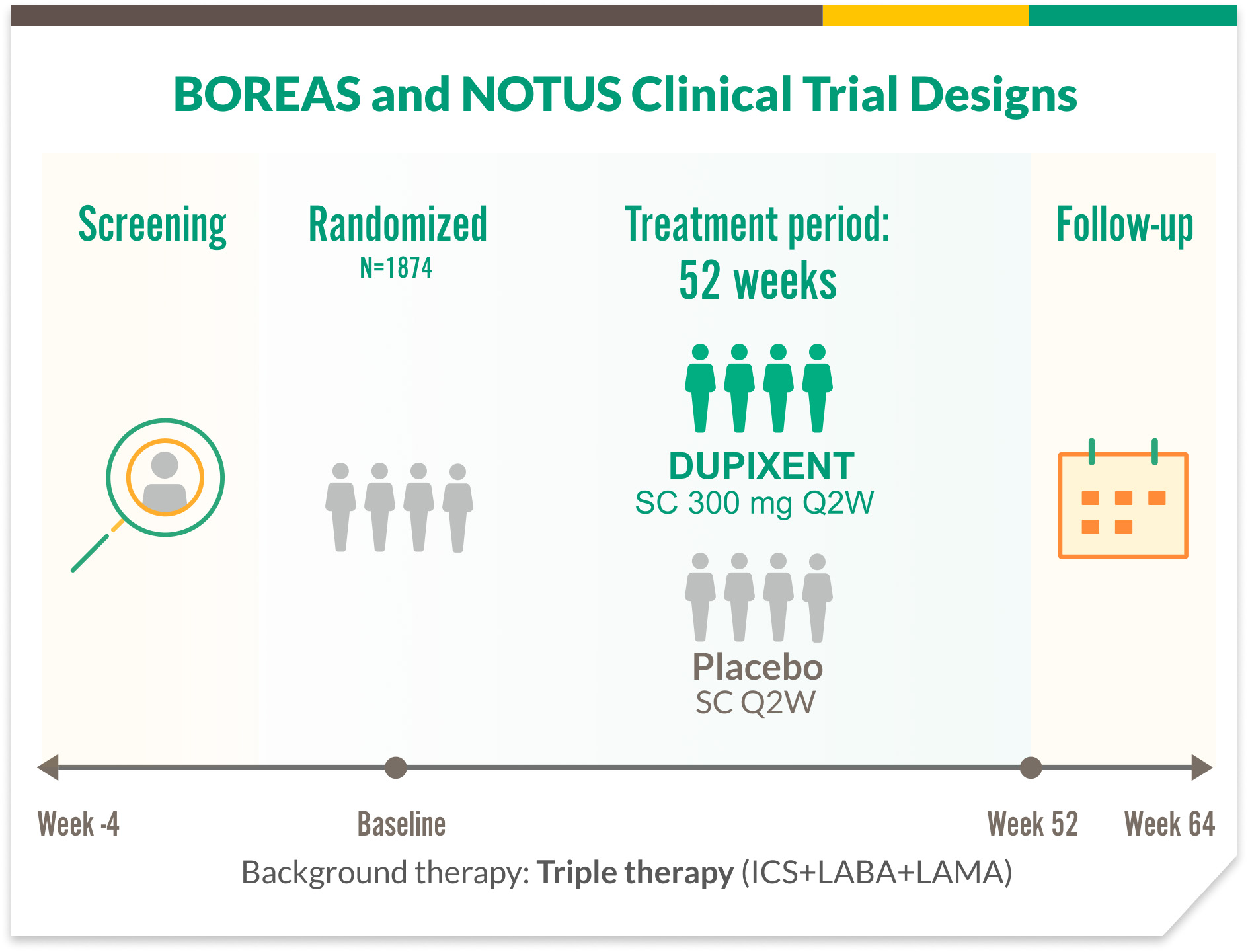
BOREAS AND NOTUS CLINICAL TRIALS
ASSESSED SAFETY, TOLERABILITY, AND EFFICACY IN COPD PATIENTS WITH TYPE 2 INFLAMMATION1,7
All patients received background SOC (ICS+LAMA+LABA, or LAMA+LABA if ICS was not appropriate)1,a
Two phase 3, multicenter, international, double-blind, randomized, placebo-controlled trials in patients with uncontrolled COPD1,8,9
PRIMARY ENDPOINT |
Week 52 |
Annualized rate of moderate or severe COPD exacerbations |
SELECT SECONDARY AND OTHER ENDPOINTS |
Week 12
|
Change in lung function (pre-BD FEV1) from baseline |
|
Week 52 |
Change in SGRQ total score from baseline |
|
|
Week 52 |
Percentage of patients with SGRQ total score improvement ≥4 points |
|
|
Week 12
|
Change in lung function (pre-BD FEV1) from baseline among patients with a baseline FeNO ≥20 ppb |
|
|
Week 52 |
Annualized rate of moderate or severe exacerbations of COPD among patients with a baseline FeNO ≥20 ppb |
|
|
Week 52 |
Change in E-RS:COPD total score from baseline |
a 98% received ICS+LAMA+LABA in BOREAS and 99% in NOTUS.1
Key Inclusion Criteria8,9 |
|
Key Exclusion Criteria8,9 |
|
For the full list of inclusion and exclusion criteria, see SmPC.
Patient characteristics at baseline1
Parameter |
BOREAS (n=939) |
NOTUS (n=935) |
|
Mean age (years) (± SD) |
65.1 (8.1) |
65.0 (8.3) |
|
Male (%) |
66.0 |
67.6 |
|
White (%)b |
84.1 |
89.6 |
|
Mean smoking history (pack-years) (± SD) |
40.5 (23.4) |
40.3 (27.2) |
|
Current smokers (%) |
30 |
29.5 |
|
Emphysema (%) |
32.6 |
30.4 |
|
Mean duration of COPD (years) (± SD) |
8.8 (6.0) |
9.3 (6.4) |
|
Mean number of moderatec or severed exacerbations in previous year (± SD) |
2.3 (1.0) |
2.1 (0.9) |
|
Mean number of severe exacerbationsd in previous year (± SD) |
0.3 (0.7) |
0.3 (0.6) |
|
Background COPD medications at randomization: ICS/LAMA/LABA (%) |
97.6 |
98.8 |
|
Mean postbronchodilator FEV1/FVC ratio (± SD) |
0.5 (0.1) |
0.5 (0.1) |
|
Mean prebronchodilator FEV1 (L) (± SD) |
1.3 (0.5) |
1.4 (0.5) |
|
Mean postbronchodilator FEV1 (L) (± SD) |
1.4 (0.5) |
1.5 (0.5) |
|
Mean percent predicted postbronchodilator FEV1 (%) (± SD) |
50.6 (13.1) |
50.1 (12.6) |
|
Mean percent predicted postbronchodilator FEV1 <50% (%) (± SD) |
467 (49.7) |
478 (51.3) |
|
Mean SGRQ total score (± SD) |
48.4 (17.4) |
51.5 (17.0) |
|
Mean E-RS:COPD [total score] (± SD) |
12.9 (7.1) |
13.3 (7.0) |
|
Mean BODE index score (± SD) |
4.1 (1.7) |
4.0 (1.6) |
|
Mean FeNO (ppb) (± SD) |
24.3 (22.4) |
24.6 (26.0) |
|
Mean baseline blood eosinophil count (cells/μL) (± SD) |
401 (298) |
407 (336) |
|
Median baseline blood eosinophil count (cells/μL) (Q1-Q3) |
340 (240-460) |
330 (220-460) |
b In BOREAS, 0.5% of participants were Black and 14.3% were Asian. In NOTUS, 1.3% of participants were Black and 1.1% were Asian.1
c Moderate exacerbations were defined as exacerbations that resulted in treatment with systemic corticosteroids, antibiotics, or both.1
d Severe exacerbations were defined as exacerbations that resulted in hospitalization or observation for over 24 hours in an emergency department or urgent care facility.1
Safety
BOREAS safety
BOREAS safety8,a |
DUPIXENT (n=469) |
Placebo (n=470) |
|
Any AE |
77% |
76% |
|
Any SAE |
14% |
16% |
|
Any AE leading to death |
2% |
2% |
|
Any AE leading to permanent study intervention discontinuation |
3% |
3% |
|
Major adverse cardiovascular eventb |
1% |
2% |
|
AEs OCCURRING IN ≥5% OF PATIENTS IN EITHER GROUP |
||
|
Nasopharyngitis |
9% |
10% |
|
Upper respiratory tract infection |
8% |
10% |
|
Headache |
8% |
7% |
|
COPD |
6% |
6% |
|
COVID-19 |
4% |
6% |
|
Hypertension |
4% |
6% |
|
Diarrhea |
5% |
4% |
|
Back pain |
5% |
3% |
NOTUS safety
NOTUS safety9,c |
DUPIXENT (n=469) |
Placebo (n=464) |
|
Any AE |
67% |
66% |
|
Any SAE |
13% |
16% |
|
Any AE leading to death |
3% |
2% |
|
Any AE leading to permanent study intervention discontinuation |
4% |
3% |
|
Major adverse cardiovascular eventb |
1% |
2% |
|
AEs OCCURRING IN ≥5% OF PATIENTS IN EITHER GROUP |
||
|
COVID-19 |
9% |
8% |
|
Headache |
8% |
7% |
|
COPD |
5% |
8% |
|
Nasopharyngitis |
6% |
5% |
DUPIXENT IS NOT AN IMMUNOSUPPRESSANT AND NOT A STEROID.1
A DEMONSTRATED SAFETY PROFILE ACROSS 6 INDICATIONS1
System Class |
Adverse Reaction |
Frequencyd |
|
Blood and lymphatic system disorders |
Eosinophilia |
Common |
|
Immune system disorders |
Angioedemae Anaphylactic reaction, serum sickness reaction, serum sickness-like reaction |
Uncommon Rare |
|
Skin and subcutaneous tissue disorders |
Facial rashe |
Uncommon |
|
Musculoskeletal and connective tissue disorders |
Arthralgiae |
Common |
|
General disorders and administration site conditions |
Injection site reactions (includes erythema, edema, pruritus, pain, swelling, and bruising) |
Common |
|
Common adverse events occurring predominantly in atopic dermatitis clinical trials |
||
|
Infections and infestations |
Conjunctivitis, oral herpes |
Common |
|
Eye disorders |
Conjunctivitis allergic |
Common |
|
Keratitis,e blepharitis,f eye pruritus,f dry eyef |
Uncommon |
|
|
Ulcerative keratitise,f |
Rare |
|
a The safety population consisted of all patients who received at least 1 full or partial dose of DUPIXENT or placebo; the analysis was performed according to the treatment each patient received. One patient assigned to the placebo group inadvertently received DUPIXENT, so the safety population includes 470 patients in the placebo group and 469 patients in the DUPIXENT group.8
b Major adverse cardiovascular events (adjudicated) included cardiovascular death, nonfatal myocardial infarction, and nonfatal stroke.8,9
c The safety population consisted of all patients who received at least 1 full or partial dose of DUPIXENT or placebo; the analysis was performed according to the treatment each patient received.9
d Common (≥1/100 to <1/10); uncommon (≥1/1000 to <1/100); rare (≥1/10,000 to <1/1000).1
e From postmarketing reporting.1
f The frequencies for eye pruritus, blepharitis, and dry eye were common and ulcerative keratitis was uncommon in atopic dermatitis studies.1
Dosing
THE FLEXIBILITY OF AT-HOME OR IN-OFFICE ADMINISTRATION

a 300 mg=2 mL solution.1
Fixed dosing schedule with no loading dose1
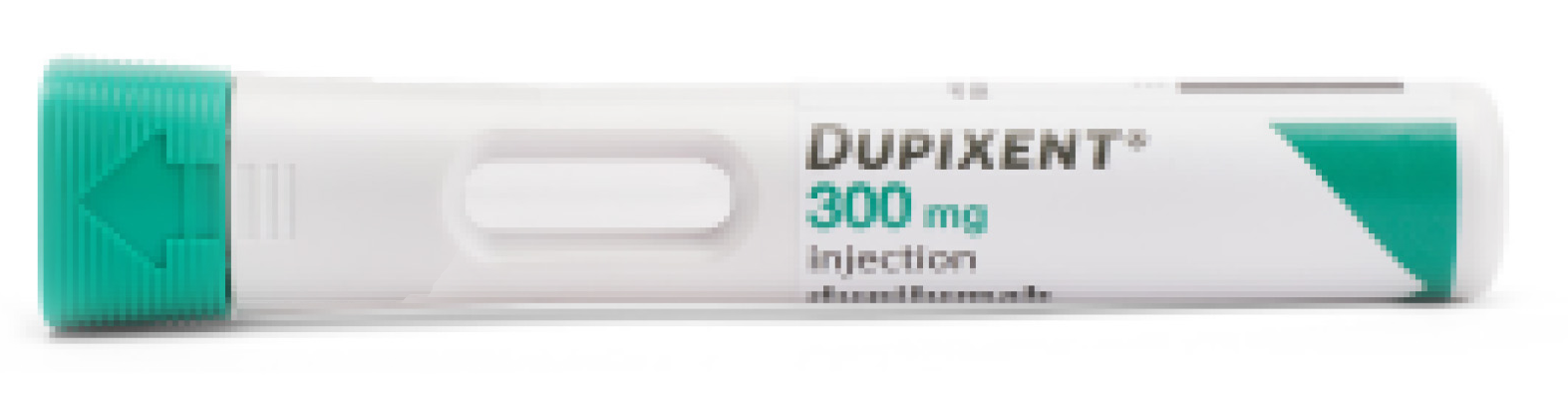
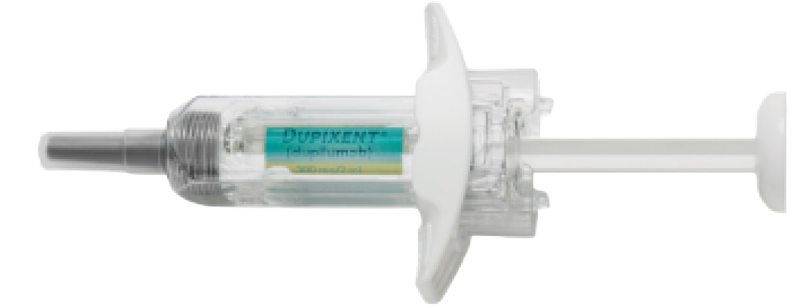
Two ways to provide confident administration to your patients
DUPIXENT Pre-filled Pen1 |
DUPIXENT Pre-filled Syringe1 |
|
|
|
|
DUPIXENT is intended for use under the guidance of a healthcare provider1
- DUPIXENT can be injected by a patient or caregiver at home after training in a subcutaneous injection technique using the auto-injection pen (for adults and adolescents) or pre-filled syringe
- Physicians or nurses should provide proper training to patients and/or caregivers on the preparation and administration of DUPIXENT prior to use, according to the Instructions for Use
- DUPIXENT can be administered in the office under the guidance of a healthcare provider if the patient or caregiver is not an appropriate candidate to administer the injection
Legacy

7 YEAR LEGACY ACROSS INDICATIONS DRIVEN BY TYPE 2 INFLAMMATION1
DUPIXENT has transformed many lives with real-world use in patients as young as 6 months1,16

Atopic dermatitis
uncontrolled severeb
Asthma
severe type 2 asthma or OCS-dependentc

CRS with nasal polyps
severe inadequately controlled

Prurigo nodularis
uncontrolled moderate to severe

Eosinophilic esophagitis
inadequately controlled
COPD
uncontrolled while on optimized inhaled therapyd
ATOPIC DERMATITIS
DUPIXENT is indicated for the treatment of moderate-to-severe atopic dermatitis in adults and adolescents 12 years and older who are candidates for systemic therapy.
DUPIXENT is indicated for the treatment of severe atopic dermatitis in children 6 months to 11 years old who are candidates for systemic therapy.
ASTHMA
DUPIXENT is indicated in adults and adolescents 12 years and older as add-on maintenance treatment for severe asthma with type 2 inflammation characterised by raised blood eosinophils and/or raised fraction of exhaled nitric oxide (FeNO), who are inadequately controlled with high dose inhaled corticosteroids (ICS) plus another medicinal product for maintenance treatment.
DUPIXENT is indicated in children 6 to 11 years old as add-on maintenance treatment for severe asthma with type 2 inflammation characterised by raised blood eosinophils and/or raised fraction of exhaled nitric oxide (FeNO), who are inadequately controlled with medium to high dose inhaled corticosteroids (ICS) plus another medicinal product for maintenance treatment.
CRS WITH NASAL POLYPS (CRSwNP)
DUPIXENT is indicated as an add-on therapy with intranasal corticosteroids for the treatment of adults with severe CRSwNP for whom therapy with systemic corticosteroids and/or surgery do not provide adequate disease control.
PRURIGO NODULARIS (PN)
DUPIXENT is indicated for the treatment of adults with moderate-to-severe prurigo nodularis who are candidates for systemic therapy.
EOSINOPHILIC ESOPHAGITIS (EoE)
DUPIXENT is indicated for the treatment of eosinophilic esophagitis in adults and children 1 year or older, weighing at least 15 kg, who are inadequately controlled by, are intolerant to, or who are not candidates for conventional medicinal therapy.
CHRONIC OBSTRUCTIVE PULMONARY DISEASE (COPD)
DUPIXENT is indicated in adults as add-on maintenance treatment for uncontrolled chronic obstructive pulmonary disease (COPD) characterised by raised blood eosinophils on a combination of an inhaled corticosteroid (ICS), a long-acting beta2-agonist (LABA), and a long-acting muscarinic antagonist (LAMA), or on a combination of a LABA and a LAMA if ICS is not appropriate.
a From initial FDA approval across patients with atopic dermatitis, asthma, CRS with nasal polyps, prurigo nodularis, EoE, and COPD.16
b In patients aged 6 months to 11 years. DUPIXENT is indicated for moderate-to-severe atopic dermatitis in patients aged 12+ years.1
c OCS-dependent as specified in GINA guidelines.17
d Triple inhaled therapy, or double inhaled therapy if ICS is not appropriate.1
AE, adverse event
BD, bronchodilator
BL, baseline
BODE, body mass index, airflow obstruction, dyspnea, and exercise capacity
COPD, chronic obstructive pulmonary disease
CRS, chronic rhinosinusitis
EoE, eosinophilic esophagitis
EOS, eosinophil
E-RS:COPD, Evaluating Respiratory Symptoms in COPD
EXACT, EXAcerbations of COPD Tool
FeNO, fractional exhaled nitric oxide
FEV1, forced expiratory volume in 1 second
FVC, forced vital capacity
GINA, Global Initiative for Asthma
GOLD, Global Initiative for Chronic Obstructive Lung Disease
ICS, inhaled corticosteroid
ICU, intensive care unit
LABA, long-acting beta agonist
LAMA, long-acting muscarinic antagonist
LSM, least squares mean
mMRC, Modified Medical Research Council
OCS, oral corticosteroid
OR, odds ratio
Q2W, once every 2 weeks
SAE, serious adverse event
SC, subcutaneous
SGRQ, St George’s Respiratory Questionnaire
SOC, standard of care
References
-
DUPIXENT Summary of Product Characteristics, 2024.
-
Garudadri S, Woodruff PG. Targeting chronic obstructive pulmonary disease phenotypes, endotypes, and biomarkers. Ann Am Thorac Soc. 2018;15(suppl 4):S234-S238. doi:10.1513/AnnalsATS.201808-533MG
-
Gandhi NA, Bennett BL, Graham NMH, Pirozzi G, Stahl N, Yancopoulos GD. Targeting key proximal drivers of type 2 inflammation in disease. Nat Rev Drug Discov. 2016;15(1):35-50. doi:10.1038/nrd4624
-
Rabe KF, Rennard S, Martinez FJ, et al. Targeting type 2 inflammation and epithelial alarmins in chronic obstructive pulmonary disease: a biologics outlook. Am J Respir Crit Care Med. 2023;208(4):395-405. doi:10.1164/rccm.202303-0455CI
-
Saatian B, Rezaee F, Desando S, et al. Interleukin-4 and interleukin-13 cause barrier dysfunction in human epithelial cells. Tissue Barriers. 2013;1(2):e24333. doi:10.4161/tisb.24333
-
Cooper PR, Poll CT, Barnes PJ, Sturton RG. Involvement of IL-13 in tobacco smoke–induced changes in the structure and function of rat intrapulmonary airways. Am J Respir Cell Mol Biol. 2010;43(2):220-226. doi:10.1165/rcmb.2009-0117OC
-
Global Initiative for Chronic Obstructive Lung Disease. Global strategy for the diagnosis, management, and prevention of chronic obstructive pulmonary disease (2024 report). Accessed [July 31, 2024]. https://goldcopd.org/2024-gold-report/
-
Bhatt SP, Rabe KF, Hanania NA, et al; BOREAS Investigators. Dupilumab for COPD with type 2 inflammation indicated by eosinophil counts. N Engl J Med. 2023;389(3):205-214. doi:10.1056/NEJMoa2303951
-
Bhatt SP, Rabe KF, Hanania NA, et al; NOTUS Study Investigators. Dupilumab for COPD with blood eosinophil evidence of type 2 inflammation. N Engl J Med. 2024;390(24):2274-2283. doi:10.1056/NEJMoa2401304
-
Suissa S, Dell’Aniello S, Ernst P. Long-term natural history of chronic obstructive pulmonary disease: severe exacerbations and mortality. Thorax. 2012;67(11):957-963. doi:10.1136/thoraxjnl-2011-201518
-
Jones PW. St George’s Respiratory Questionnaire Manual. [Version 2.4, March 2022]. Accessed [July 31, 2024]. https://www.sgul.ac.uk/research/research-operations/research-administration/st-georges-respiratory-questionnaire/docs/SGRQ-Manual-March-2022.pdf
-
EXACT and E-RS:COPD content. Evidera website. Accessed [July 31, 2024]. https://www.evidera.com/what-we-do/patient-centered-research/coa-instrument-management-services/exact-program/exact-content/
-
Data on file, BOREAS CSR, Sanofi.
-
Leidy NK, Bushnell DM, Thach C, Hache C, Gutzwiller FS. Interpreting Evaluating Respiratory Symptoms™ in COPD diary scores in clinical trials: terminology, methods, and recommendations. Chronic Obstr Pulm Dis. 2022;9(4):576-590. doi:10.15326/ jcopdf.2022.0307
-
Bushnell DM, Wilson R, Gutzwiller FS, et al. Use of the Evaluating Respiratory Symptoms™ in COPD as an outcome measure in clinical trials: a rapid systematic review. Chronic Obstr Pulm Dis. 2021;8(4):551-571. doi:10.15326/jcopdf.2021.0235
-
IQVIA Sanofi Integrated DUPIXENT Platform, data through [February 2025].
-
Global Initiative for Asthma. Global strategy for asthma management and prevention. Updated 2024. Accessed [July 31, 2024]. https://ginasthma.org/wp-content/uploads/2024/05/GINA-2024-Strategy-Report-24_05_22_WMS.pdf
Resources

Watch to learn how DUPIXENT works
DUPIXENT, through dual inhibition of IL-4 and IL-13, when used in combination with optimized inhaled therapy,a demonstrated an improvement in symptoms.1,8
a Triple inhaled therapy, or double inhaled therapy if ICS was not appropriate.1

© 2024 Sanofi and Regeneron Pharmaceuticals, Inc. All Rights Reserved.
MAT-BE-2500742 - v 1.0 - 0.8/2025