
Artikel

Living with ITP
Patients reported significant quality of life (QoL) challenges related to their ITP1
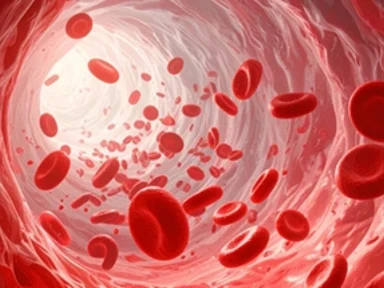
Mechanism of Disease
Complex immune dysregulation can lead to autoimmunity and inflammation1-6

Understanding Gaucher Disease: Symptoms, Classification, and Clinical Presentation
Gaucher disease is a lysosomal storage disorder caused by a pathogenic variant in the gene responsible for producing the enzyme acid β-glucosidase. More than 300 alleles carrying pathogenic variants have already been identified.1


EVEREST study: First ever direct Head-to-Head Comparison of Biologics in Patients with Severe CRSwNP and Coexisting Asthma
First ever direct Head-to-Head Comparison of Biologics in Patients with Severe CRSwNP and Coexisting Asthma.

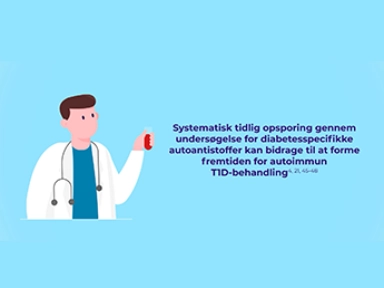
Understanding Autoimmune T1D & The Value of Early Detection
Autoimmune Type 1 Diabetes (T1D) can be detected through islet autoantibody testing years before symptoms appear.1-2 The video here explains how the condition progresses silently through presymptomatic stages, with beta cell destruction occurring long before symptom onset and clinical diagnosis.4-8


When a Child Gets Autoimmune Type 1 Diabetes
Parent's experiences of stage 3 diagnosis of T1D.

Sleep and QOL: the full impact on patients coping with the burden of AD
Understanding the full scope of AD—the unseen burden on patients.

Does your patient have an existing autoimmune condition? Check for autoimmune type 1 diabetes!
Individuals living with other associated autoimmune diseases like celiac disease or autoimmune thyroid disease, are at an increased risk of developing autoimmune type 1 diabetes (T1D) and should be appropriately screened.1-6

How should individuals with positive autoimmune T1D autoantibodies be monitored over time?
Individuals who screen positive for ≥1 autoimmune islet cell antibodies need periodic medical monitoring, which includes regular assessments of blood glucose and HbA1c levels. You can also educate them about symptoms of diabetes, diabetic ketoacidosis (DKA), and provide psychosocial support to prepare them for a possible clinical diagnosis for type 1 diabetes (T1D).1