

Defining Immune Thrombocytopenia (ITP)
Low platelet counts are one facet of ITP, but when we look at it from another angle, we see the multiple dimensions of ITP.
Overview
Recognizing ITP
Recognizing immune thrombocytopenia (ITP) as a complex disorder of immune dysregulation involves more than managing low platelet counts. Beyond bleeding, patients often endure fatigue and cognitive impairments that impact quality of life. A multidimensional care approach is essential to address these broader burdens and effectively improve long-term patient well-being.1-6
Explore these key topics
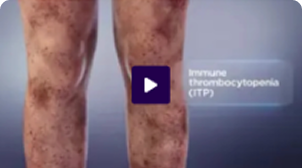
Featured content
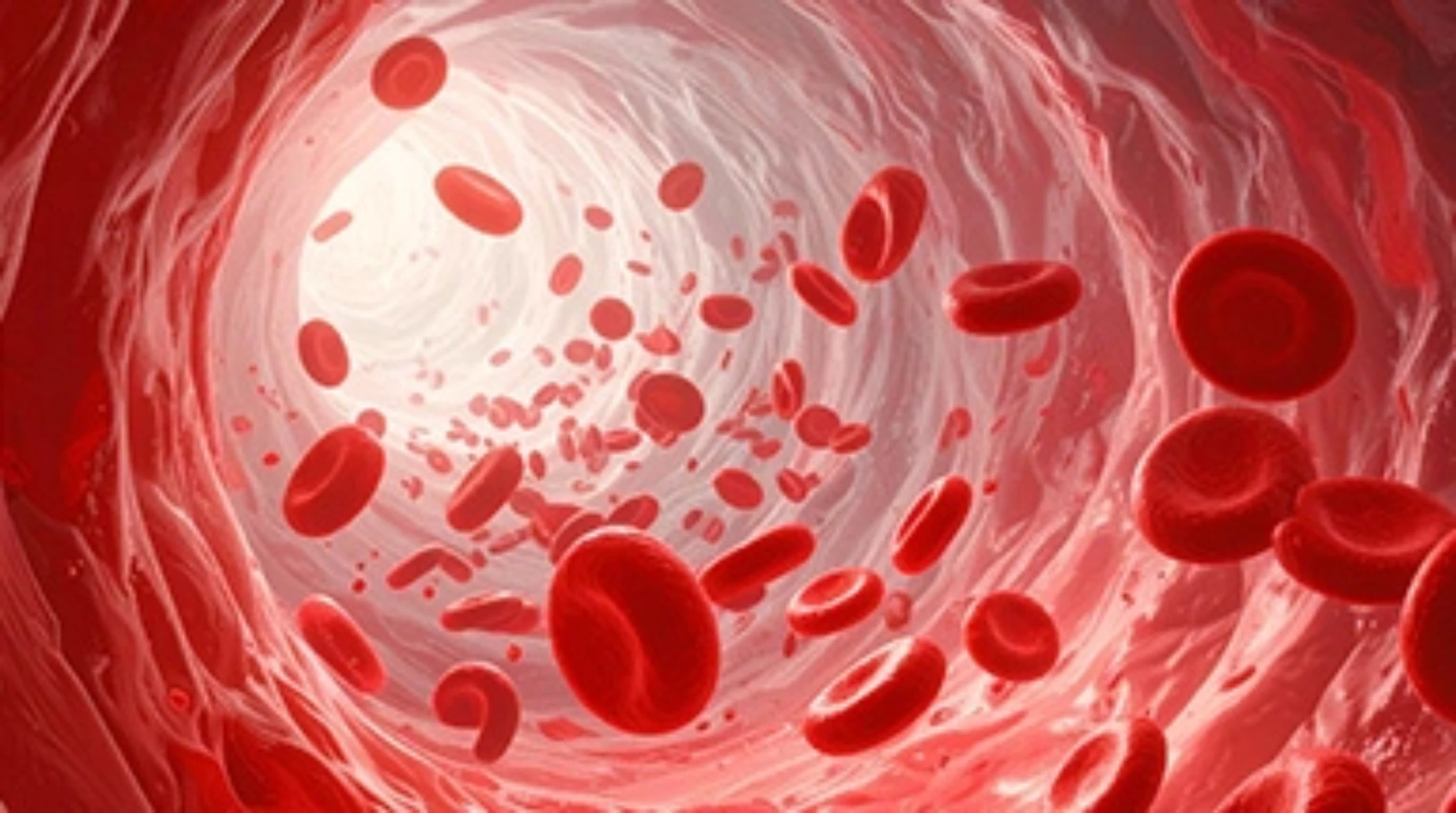
Mechanism of Disease
Complex immune dysregulation can lead to autoimmunity and inflammation1-6
Featured resources

Defining ITP
Low platelet counts are one facet of ITP, but when we look at it from another angle, we see the multiple dimensions of ITP. ITP is a condition of complex immune dysregulation that reduces platelet counts—causing bleeding, bruising, fatigue, and other health-related quality-of-life (HRQoL) issues—while increasing inflammation and the risk of thromboembolic events (TEs).1-5

Living with ITP
Patients reported significant quality of life (QoL) challenges related to their ITP1
Mechanism of Disease
Complex immune dysregulation can lead to autoimmunity and inflammation1-6
Stay up to date with what’s shaping ITP care.
Get new research and clinical insights delivered to your inbox.
- Kashiwagi H, Tomiyama Y. Pathophysiology and management of primary immune thrombocytopenia. Int J Hematol. 2013;98(1):24-33. 2. Andreescu M. The link between immune thrombocytopenia and the cytokine profile: a bridge to new therapeutical targets. Front Hematol. 2023;2:1191178. 3. Qiao J, Liu Y, Li X, et al. Elevated expression of NLRP3 in patients with immune thrombocytopenia. Immunol Res. 2016;64(2):431-437. 4. Schifferli A, Cavalli F, Godeau B, et al. Understanding immune thrombocytopenia: looking out of the box. Front Med (Lausanne). 2021;8:613192. 5. Wang S, Liu Y, Li G, Feng Q, Hou M, Peng J. Reduced intracellular antioxidant capacity in platelets contributes to primary immune thrombocytopenia via ROS-NLRP3-caspase-1 pathway. Thromb Res. 2021;199:1-9. 6. Nelson VS, Jolink AC, Amini SN, et al. Platelets in ITP: victims in charge of their own fate? Cells. 2021;10(11):3235.
MAT-BE-2501247 v1.0 - 19DEC2025