
Artikel

Why choose PRALUENT®?
The usual starting dose for PRALUENT is 75 mg administered subcutaneously once every 2 weeks. Patients requiring larger LDL-C reduction (>60%) may be started on 150 mg once every 2 weeks, or 300 mg once every 4 weeks (monthly), administered subcutaneously.2


Gaucher disease in children
Gaucher disease is an autosomal recessive lysosomal storage disorder caused by pathogenic variants in the GBA1 gene, resulting in deficient activity of the enzyme acid β glucosidase.

DUPIREAL: Two-Year Turning Point with Dupilumab in CRSwNP
The results from the DUPIREAL real-world study reinforce the efficacy of dupilumab demonstrated in the SINUS-24 and SINUS-52 randomized clinical trials and are consistent with the approved SmPC.1,2,3,4 DUPIREAL is the largest long-term real-world study (n=926) evaluating the effectiveness of dupilumab, including treatment response, disease control and remission, in severe uncontrolled CRSwNP over 2 years.2,3

Real-World Evidence and Phase IV studies in CRSwNP
Patients with chronic rhinosinusitis with nasal polyps (CRSwNP) generally have a high symptom burden and poor health-related quality of life (QoL), often requiring recurring systemic corticosteroid use and repeated sinus surgery.

Efficacy and safety of dupilumab in patients with PN with or without a history of atopic comorbidities

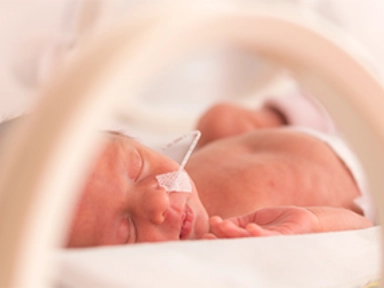
Beyfortus is an RSV immunization designed for all infants, for protection against RSV disease of the lower respiratory tract (LRTD)

Reflekter over ny tilgang til KOL
At få en forståelse for type 2 inflammation* kan belyse hvorfor nogle KOL-patienter fortsætter med at få eksacerbationer.1

FLUNITY-HD : the largest individually randomised influenza vaccine effectiveness study of its kind.
FLUNITY-HD is the largest individually randomised influenza vaccine effectiveness study, with nearly half a million older adults across multiple seasons.1


Defining ITP
Low platelet counts are one facet of ITP, but when we look at it from another angle, we see the multiple dimensions of ITP. ITP is a condition of complex immune dysregulation that reduces platelet counts—causing bleeding, bruising, fatigue, and other health-related quality-of-life (HRQoL) issues—while increasing inflammation and the risk of thromboembolic events (TEs).1-5