100 years of innovation in diabetes care
For over 100 years, Sanofi has been at the forefront of diabetes care, contributing to advances in insulin and supporting improvements in treatment for people living with diabetes.
Over the last century, diabetes care has undergone a profound transformation, evolving from a near-fatal condition to a manageable chronic disease1.
This progress is particularly significant globally, where the prevalence of diabetes continues to present a major public health challenge. Join us in exploring the remarkable innovations that have shaped diabetes management across the last 100 years.
Want to know more?
The story in the numbers: Australia's diabetes journey
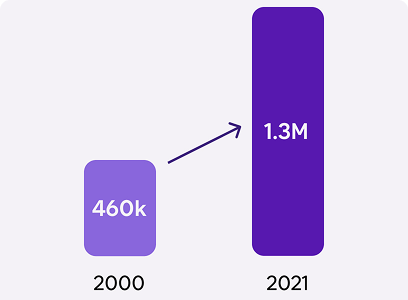
Growing prevalence
Diagnosed diabetes in Australia surged from 460,000 in 2000 to over 1.3 million by 2021—a nearly threefold increase2.
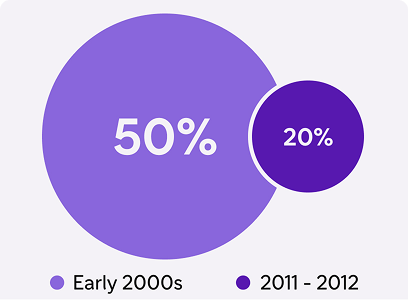
The undiagnosed
A significant challenge remains with undiagnosed Type 2 diabetes. Up to half of cases were undiagnosed in the early 2000s3, with 18% of adults (2.8 million) living with diabetes in 2011-20122.
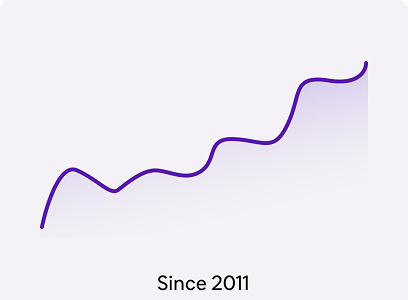
Evolving trends
While overall Type 2 incidence stabilised post-2010, specific migrant groups (e.g., from Asia, North Africa, Middle East, Pacific Islands) have seen a notable increase since 20114.
100 years of diabetes in Australia
A century of groundbreaking advancements has transformed diabetes care in Australia.
Explore our timeline to see the pivotal moments that have reshaped millions of lives.
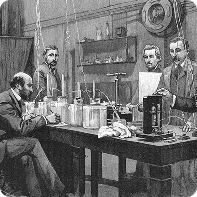
- Before insulin: Before insulin, a diagnosis of type 1 diabetes was always fatal within months or even weeks1.
- 1921 - The discovery of insulin: Frederick Banting and Charles Best successfully lowered a diabetic dog's blood sugar by administering a pancreatic extract5.
- 1923 - First Australian insulin treatment: In January 1922, 14-year-old Leonard Thompson was the first person to receive an insulin injection to treat diabetes5.
.png)
- Beyond animal-sourced insulin: In 1978, scientists created the first human-based insulin, Humulin, which was identical in structure to human insulin1.
- Diverse formulations: Long-acting insulins, such as insulin glargine, take longer to absorb and remain active for up to 24 hours1.
.png)
- Glucose monitoring evolution: The first Continuous Glucose Monitor (CGM) device received FDA approval in 1999, providing retrospective monitoring of blood sugars5.
- Insulin pumps (from 1980s): External insulin pumps were introduced in the 1990s, offering better results, more flexibility, and easier treatment management1.
- Automated Insulin Delivery Systems (AID): The artificial pancreas, or closed-loop glucose control, uses an external pump and continuous glucose monitoring to automatically adjust insulin dose in a single system1.
- Smartphone integration: The insulin pen delivery system appeared in 1986, offering a safe and convenient way of delivering the required dose of insulin1.
.png)
- Lifestyle interventions: Research has increasingly shown that a healthful diet is crucial for preventing and managing type 2 diabetes1.
- New medication classes: Glucagon-like peptide 1 (GLP-1) receptor inhibitors reduce glucose levels and may lower cardiovascular risk in high-risk patients with type 2 diabetes1.
- Pioneering immunotherapy trials: With the triggers of type 1 diabetes not yet fully understood, current research explores immunotherapy approaches that target the autoimmune processes involved in the disease1.
- Oral insulin advancements: Scientists continue to develop new treatment approaches that may help improve the quality of life of people living with diabetes1.
Organised support and advocacy (1980s to present)

Diabetes Australia Established
As the peak body for diabetes in Australia, Diabetes Australia provides vital support and advocacy.

National Diabetes Services Scheme (NDSS)
Administering subsidised products, support services, and information to Australians with diabetes.

Australian National Diabetes Strategy 2021-2030
A comprehensive national roadmap launched to guide prevention, early detection, and improved management of diabetes for the decade.

Expanded NDSS Subsidised CGM/Flash GM Access
Significant expansion of the NDSS to provide subsidised Continuous Glucose Monitoring and Flash Glucose Monitoring for all people with Type 1 diabetes, enhancing access to vital technology.
Ongoing Advocacy & Digital Support: Continuous national campaigns and increasing digital resources from Diabetes Australia and NDSS to improve awareness, facilitate self-management, and address emerging challenges.
From insulin to innovation: The evolution of care
Australia's journey in diabetes care is a testament to continuous progress, transforming a challenging condition into a manageable one. This evolution is driven by pivotal moments in research, significant government backing, and groundbreaking technological advancements.
Government investment and strategy
Australia shows strong commitment with over $422 million invested in diabetes research by the NHMRC, alongside the guiding Australian National Diabetes Strategy 2021–2030.

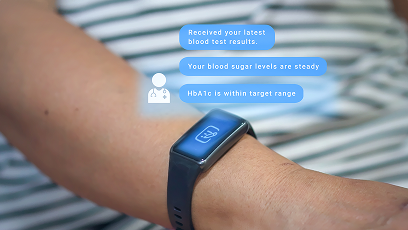
Real-time glucose management
Continuous Glucose Monitors (CGMs) provide real-time insights for better management. Since 2022, CGMs are subsidised for all Australians with Type 1 diabetes, broadening access to this life-changing technology.
The rise of smart solutions
Artificial Intelligence (AI) is emerging as a powerful tool, helping predict Type 1 diabetes risk, personalise treatment plans, and offer dietary guidance, promising more tailored and effective approaches.
Sanofi’s commitment to progressing diabetes care
Sanofi is committed to improving the lives of people with diabetes. We provide resources and support for healthcare professionals to enhance patient care.

Early 20th Century: Pioneering Europe's insulin production
For 100 years, our innovations have helped support advances in care for people living with diabetes6.
*Image from Getty Images.

1982: Hoechst launches recombinant human insulin
Since we launched our first diabetes treatment, we’ve been at the forefront of developments in diabetes management6.
*Image from Getty Images.
2000: Advancing basal insulin with Lantus® approval
Long-acting insulins, such as insulin glargine, take longer to absorb and remain active for up to 24 hours1.

2013: Empowering communities through the KiDS initiative
We believe diabetes education is critical for individuals living with the condition and for the healthcare professionals who care for them6.
*Image from Getty Images.

Ongoing: Integrated care and digital solutions
Sanofi drives integrated diabetes management beyond medication. We offer innovative digital solutions, devices, and educational programs. Leveraging smart pens and AI for insights, we empower patients and healthcare providers for seamless, improved care.
- Higuera V. Diabetes: Past treatments, new discoveries [Internet]. Healthline Media UK Ltd; 2023 May 4 [cited 2025 Jul 2]. Available from: https://acrobat.adobe.com/id/urn:aaid:sc:us:13552338-e14a-4429-820d-4acb795ddb41
- Australian Institute of Health and Welfare. Diabetes: Australian facts [Internet]. Canberra: AIHW; 2021 [cited 2025 Jun 26]. Available from: https://www.aihw.gov.au/reports/diabetes/diabetes-australian-facts/contents/how-common-is-diabetes/all-diabetes
- Dunstan DW, Zimmet PZ, Phillips PA, de Courten MP, Cameron AJ, Sicree RA, et al. Diabetes and associated disorders in Australia 1999-2000: the Australian Diabetes, Obesity and Lifestyle Study (AusDiab). Med J Aust [Internet]. 2001 Jun 4 [cited 2025 Jun 30];174(11):589-91. Available from: https://pubmed.ncbi.nlm.nih.gov/12062857/
- Magliano, Dianna J et al. Changes in the incidence of type 2 diabetes in Australia, 2005-2019, overall and by socio-demographic characteristics: a population-based study. Med J Aust. 2024;221(9):417-424. Available from: https://www.mja.com.au/journal/2024/221/9/changes-incidence-type-2-diabetes-australia-2005-2019-overall-and-socio
- Kalberg C. Next Stop Cure? A Quick History of Diabetes Research [Internet]. Beyond Type 1; 2022 Oct 28 [cited 2025 Jul 2]. Available from: https://acrobat.adobe.com/id/urn:aaid:sc:us:a918714d-a2de-4441-943e-6521f40b28a1
- Sanofi. Diabetes [Internet]. Sanofi; [n.d.] [cited 2025 Jul 2]. Available from: https://www.sanofi.com/en/patients/understanding-diseases-conditions/diabetes
MAT-AU-2502444 - 1.0 - 12/2025
Waddling-Gait---Robert,-28-year-old-mild-LOPD-patient

Waddling Gait - Robert, 28-year-old mild LOPD patient
Reaching-Overhead---Robert,-28-year-old-mild-LOPD-patient

Reaching Overhead - Robert, 28-year-old mild LOPD patient
Standing-From-Sitting---Robert,-28-year-old-mild-LOPD-patient

Standing From Sitting - Robert, 28-year-old mild LOPD patient
Climbing-Stairs---Robert,-28-year-old-mild-LOPD-patient
Climbing Stairs - Robert, 28-year-old mild LOPD patient
Waddling-Gait---Karen,-18-year-old-moderate-LOPD-patient
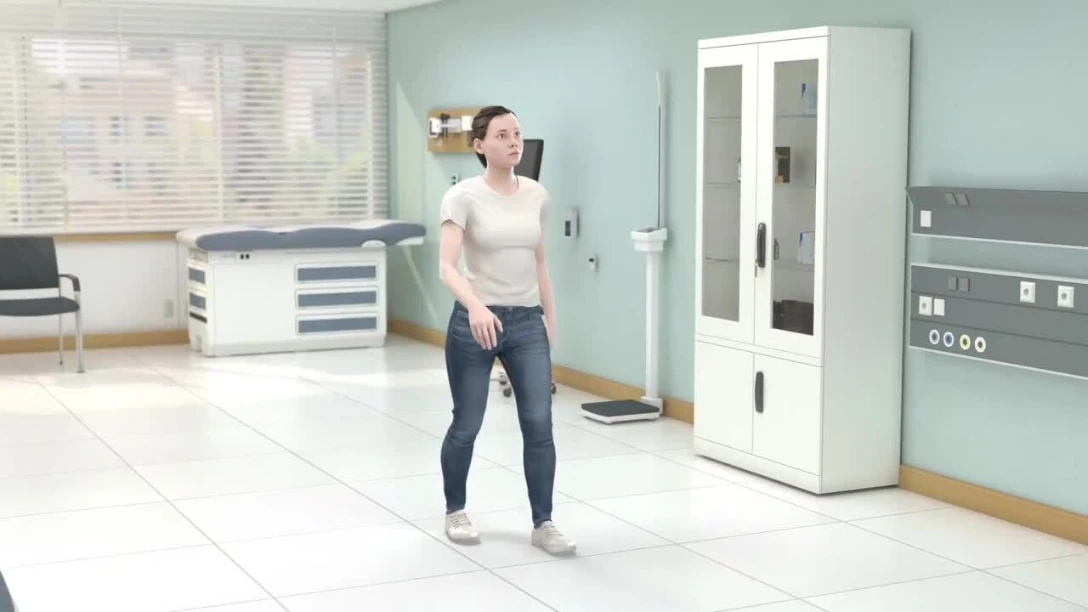
Waddling Gait - Karen, 18-year-old moderate LOPD patient
Reaching-Overhead---Karen,-18-year-old-moderate-LOPD-patient

Reaching Overhead - Karen, 18-year-old moderate LOPD patient
Standing-From-Sitting---Karen,-18-year-old-moderate-LOPD-patient

Standing From Sitting - Karen, 18-year-old moderate LOPD patient
Climbing-Stairs---Karen,-18-year-old-moderate-LOPD-patient

Climbing Stairs - Karen, 18-year-old moderate LOPD patient
ASPIRE-ICT-1-23_Harrington_MAT-AU-2302788-1

ASPIRE-ICT-1-23_Kyle-Blakey_MAT-AU-2302789-1

Which-biologic-and-why--When-to-switch-to-another-one-

Waddling-Gait---Brian,-44-year-old-severe-LOPD-patient
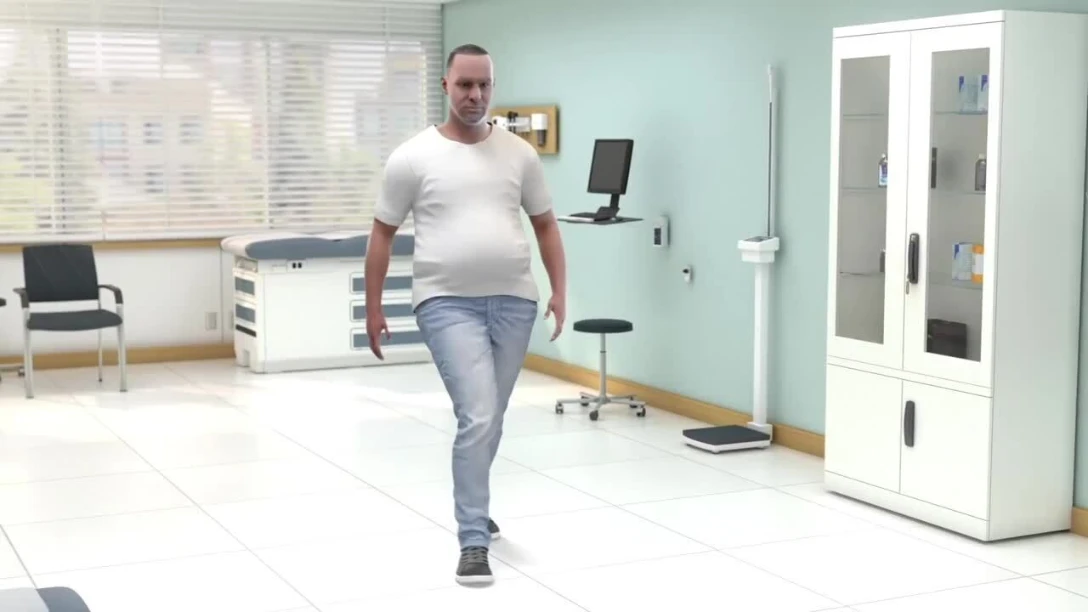
Waddling Gait - Brian, 44-year-old severe LOPD patient
Reaching-Overhead---Brian,-44-year-old-severe-LOPD-patient

Reaching Overhead - Brian, 44-year-old severe LOPD patient
Standing-From-Sitting---Brian,-44-year-old-severe-LOPD-patient

Standing From Sitting - Brian, 44-year-old severe LOPD patient
Climbing-Stairs---Brian,-44-year-old-severe-LOPD-patient

Climbing Stairs - Brian, 44-year-old severe LOPD patient
RESP-ICT2_Wark_MAT-AU-2301970
.webp/jcr:content/RESP-ICT2-Wark_400X300%20(1).webp)
RESP-ICT2_Wark_MAT-AU-2301970
RESP-ICT2_Stone_MAT-AU-2301972
.webp/jcr:content/RESP-ICT2-Stone_400X300%20(1).webp)
RESP-ICT2_Stone_MAT-AU-2301972
Remission-in-rheumatology---Dr-Michelle-Tellus
.webp/jcr:content/RESP-ICT2-Tellus_400X300%20(1).webp)
Remission in rheumatology - Dr Michelle Tellus
Pavord_MAT-AU-2300571
Pavord_MAT-AU-2300571
Wark_MAT-AU-2300572
Wark_MAT-AU-2300572
Q-A-Discussion_MAT-AU-2300573
Q&A-Discussion_MAT-AU-2300573
RESP-ICT3_Tellus_MAT-AU-2302033
RESP-ICT3_Tellus_MAT-AU-2302033
RESP-ICT3_Lee_MAT-AU-2302034

RESP-ICT3_Lee_MAT-AU-2302034
RESP-ICT3_Hew_MAT-AU-2302035
RESP-ICT3_Hew_MAT-AU-2302035
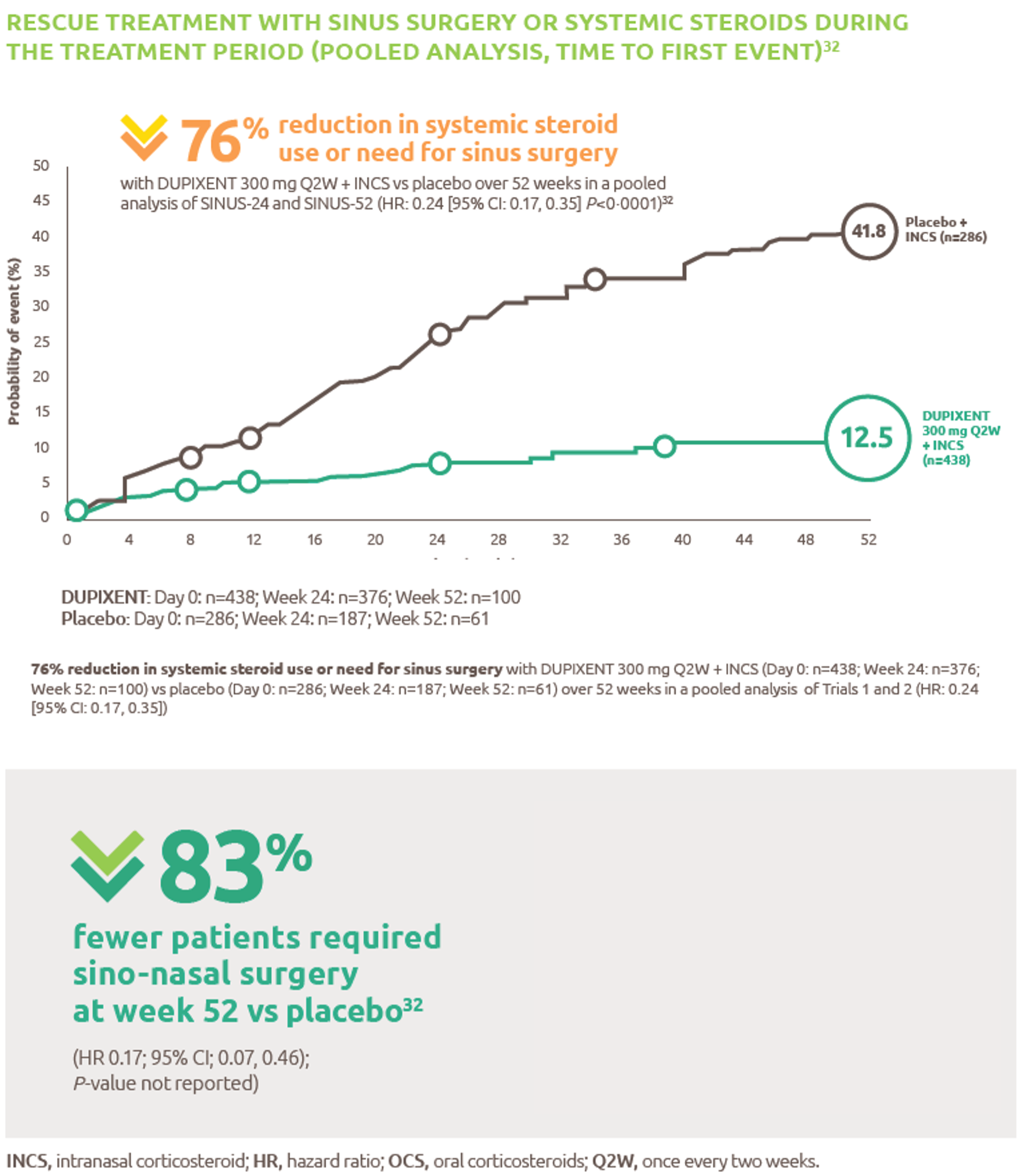
Reduced-need-for-sinus-surgery
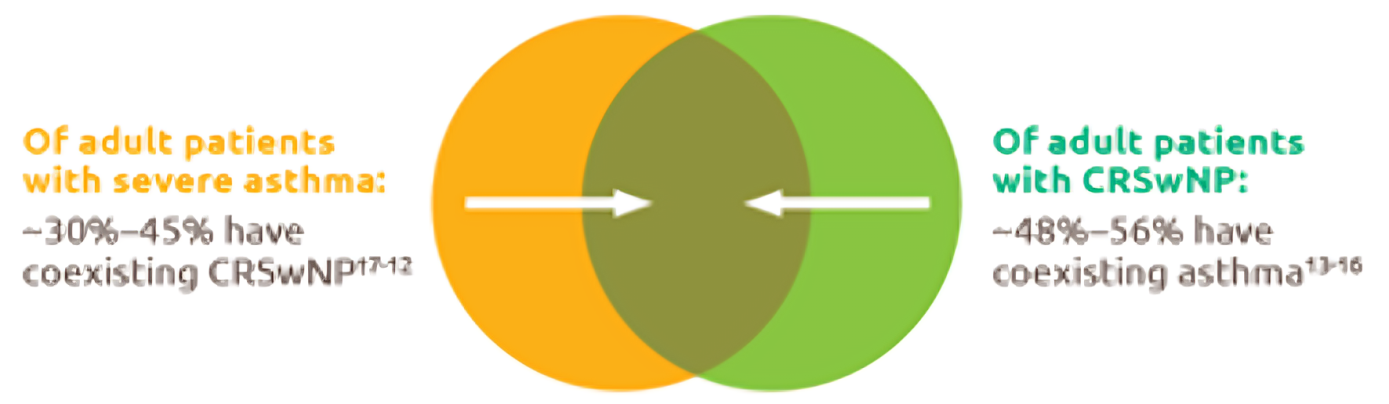
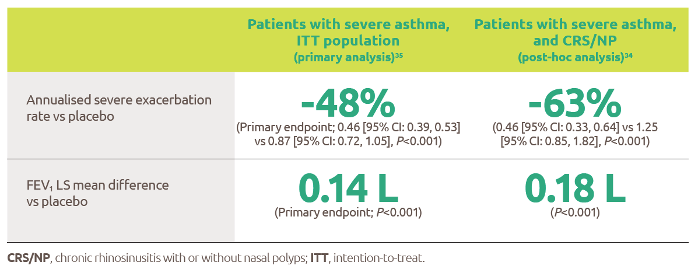
Up-to-45--of-severe-asthma-patients-have-comorbid-CRSwNP
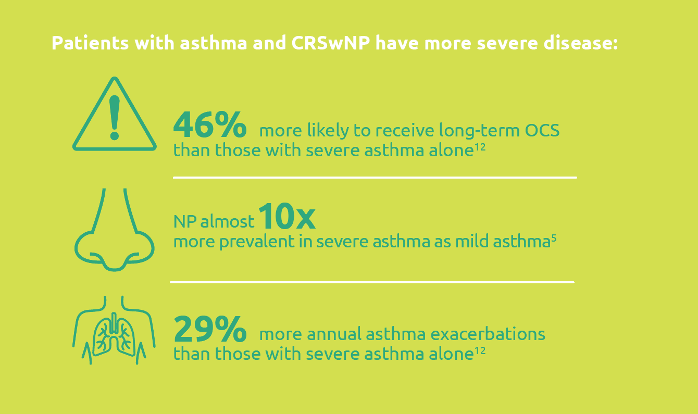
Severe-asthma-with-comorbid-CRSwNP-leads-to-more-severe-disease
.png)
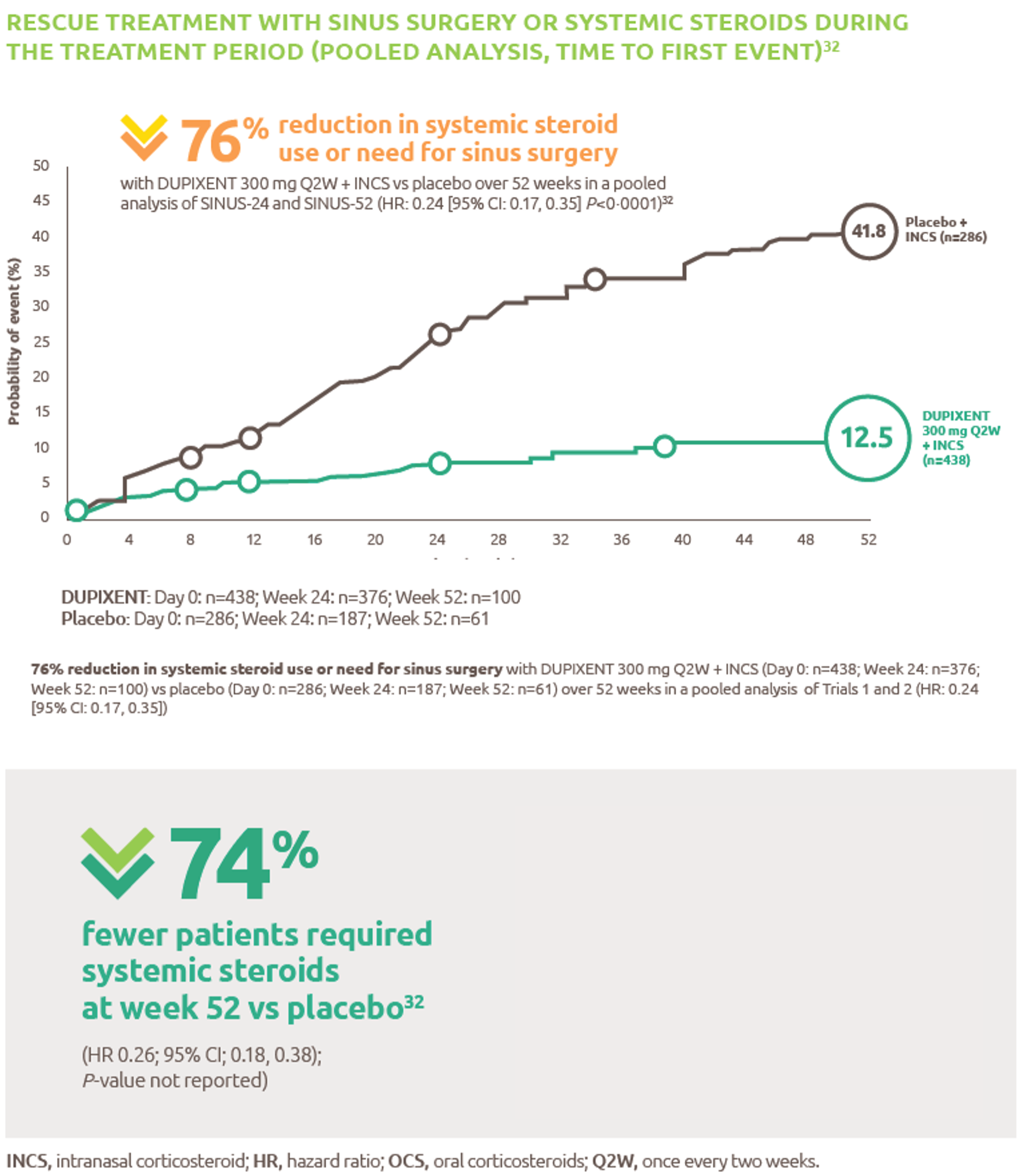
Less-rescue-oral-corticosteriod-use
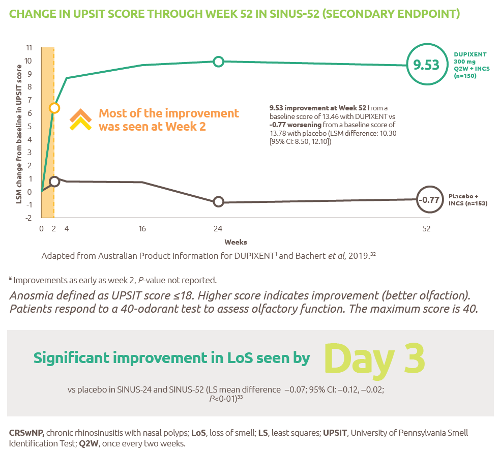
Improved-sense-of-smell
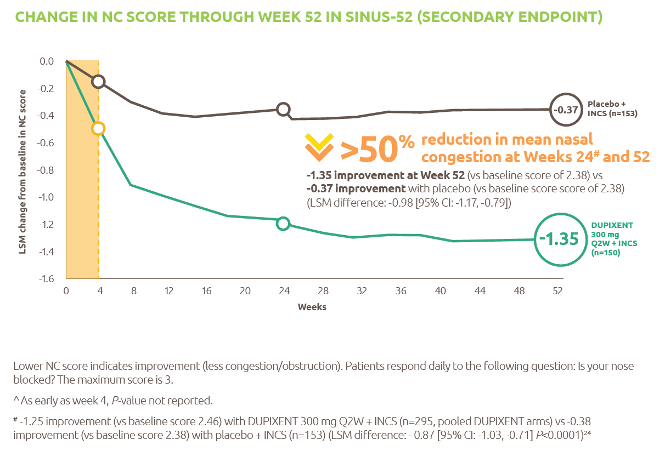
Reduced-obstruction-and-congestion
Reduced-asthma-exacerbations-and-improved-lung-function
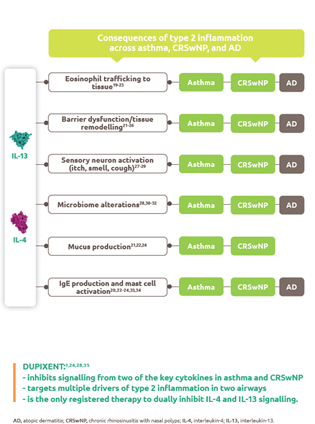
IL-4-and-IL-13-are-key-and-central-drivers-of-type-2-inflammation
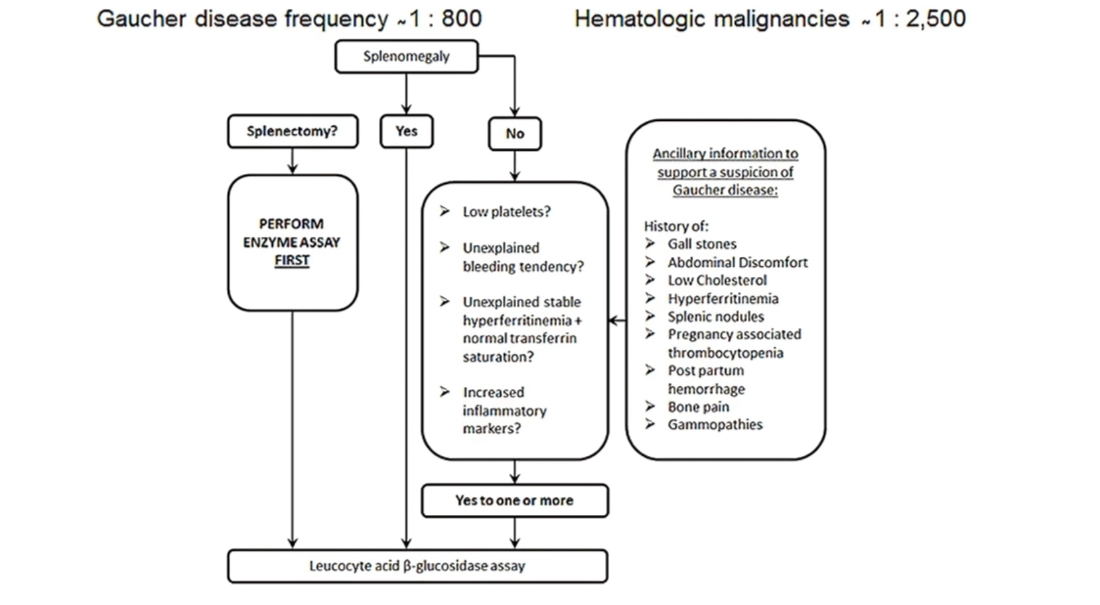
Gaucher-diagnosis-1
RESP-ICT2_Debate_MAT-AU-2301973
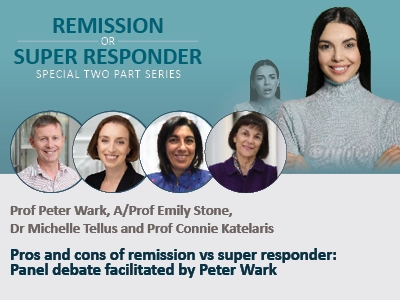
RESP-ICT2_Debate_MAT-AU-2301973
RESP-ICT3_Q-A_MAT-AU-2302036

RESP-ICT3_Q&A_MAT-AU-2302036
ASPIRE-ICT1-23_Q-A_MAT-AU-2302791-1

RESP-ICT2_Stone_CS_MAT-AU-2301975

RESP-ICT2_Stone_CS_MAT-AU-2301975
RESP-ICT2_Wark_CS_MAT-AU-2301974
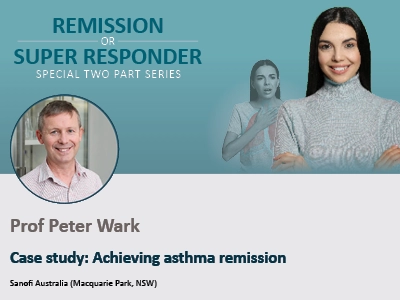
RESP-ICT2_Wark_CS_MAT-AU-2301974
RESP-ICT2_Panel-Discussion_MAT-AU-2301976

RESP-ICT2_Panel-Discussion_MAT-AU-2301976
SANA7993_Safety-Page-Tables_V0.2_1_New3
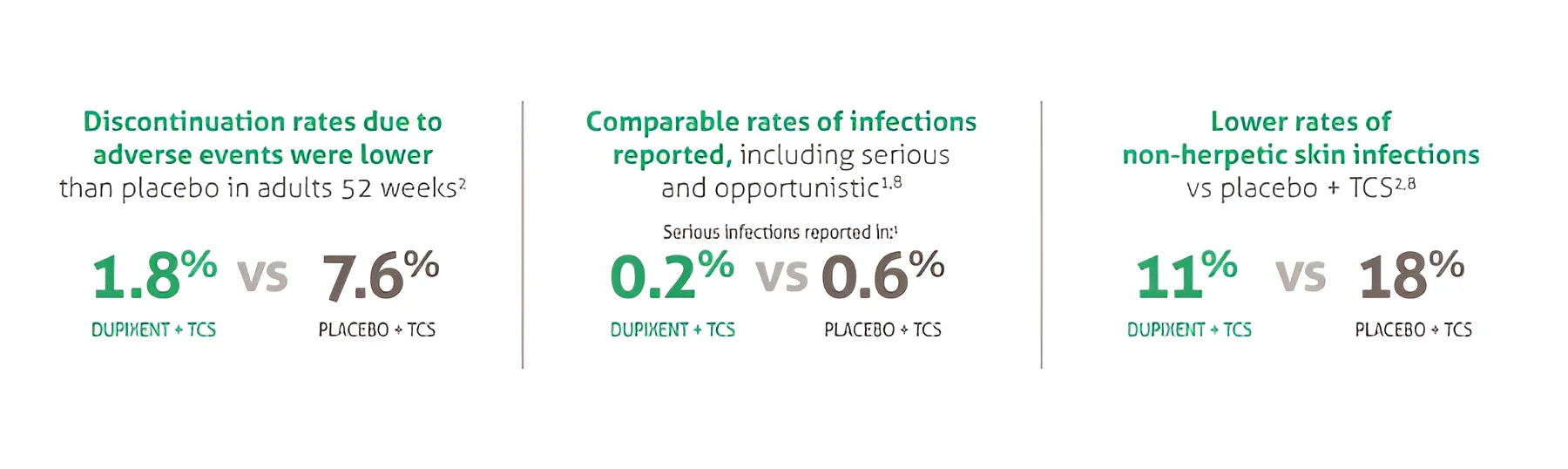
Products_Dermatology_Atopic-Dermatitis_Adverse-Events-Adults_18012021