

Artiklar

How to Use Toujeo®
Toujeo is a 2nd generation, long-acting insulin analog containing insulin glargine 300 units/mL. Toujeo® is available in two prefilled pens. See how Toujeo® is administrated In six simple steps and watch instructional video.

Atopic dermatitis pathophysiology: type 2 inflammation & cytokines
Beneath the skin of patients with AD—type 2 inflammation and the cytokines involved.

Lucas Received Four Diagnoses at Once: “30,000 Emotions Rushed Through Me”
Being diagnosed with type 1 diabetes at the age of 18 is a life-altering experience for most people. But when, like Lucas, you receive three other diagnoses within a few months, it can feel overwhelming. Living with type 1 diabetes becomes even more challenging when you also have autism.

Diagnosing Type 1 Diabetes in Kids: A Family's Story
Three years ago, Tina’s 13-year-old son was diagnosed with type 1 diabetes. It was a harrowing ordeal, as he was rushed to the hospital with severe diabetic ketoacidosis. Even today, the entire family remains deeply affected by the traumatic experience.


Patient Support: How to Manage a Serious Illness
At Sanofi, our passion is to prevent, treat, and cure diseases. We are driven by the desire to improve public health and find new solutions for patients by combining science with a deep understanding of patient needs.

BRIGHT publication
The Bright study demonstrated similar efficacy and safety of Toujeo® (Glargine 300) compared to degludec (insulin degludec) in type 2 diabetes patients who had not previously received basal insulin1.

DELIVER-G: Real-world analysis in insulin-naïve adults with T2DM on GLP-1 RA ± OAD(s), intensifying their therapy by starting basal insulin and discontinuing GLP-1 RA, or adding basal insulin to ongoing GLP-1 RA, or initiating a FRC product and discontinuing current GLP-1 RA†1
DELIVER-G: Real-world analysis in insulin-naïve adults with T2DM on GLP-1 RA ± OAD(s), intensifying their therapy by starting basal insulin and discontinuing GLP-1 RA, or adding basal insulin to ongoing GLP-1 RA, or initiating a FRC product and discontinuing current GLP-1 RA†1

The RESTORE-G Real World Evidence Study
RESTORE-G: Real-world analysis in insulin-naïve adults with T2D on GLP-1 RA ± OAD(s), intensifying their therapy by starting basal insulin and discontinuing GLP-1 RA, or adding basal insulin to ongoing GLP-1 RA, or initiating a FRC product and discontinuing current GLP-1 RA†2
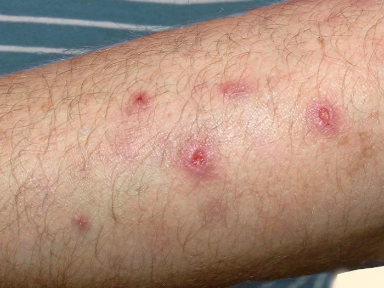
Advancing Treatment for Uncontrolled AD and PN: Approaches
As we continue to advance in our understanding and treatment capabilities, our response to uncontrolled AD and PN becomes more effective, paving the way for a future where patients can lead healthier, more comfortable lives8.

Underneath the Skin: Hidden Challenges of Uncontrolled AD and PN
What are the hidden challenges of living with uncontrolled Atopic Dermatitis (AD) and Prurigo Nodularis (PN)?

Acute LDL-C reduction post ACS: Strike early and strike strong: From evidence to clinical practice
A clinical consensus statement of Association for acute cardiovascular care (ACVC), in collaboration with European association of preventive cardiology (EAPC) and the European Society of Cardiology working group on cardiovascular Pharmacotherapy Krychtiuk KA, et al. Eur Heart J Acute Cardiovasc Care. 2022;11(12):939–949.
SE-FILMEN-HÄR
