

Artiklar
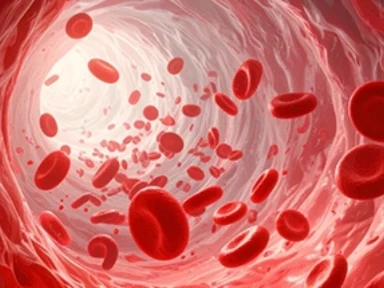
Mechanism of Disease
Complex immune dysregulation can lead to autoimmunity and inflammation1-6

FLUNITY-HD : the largest individually randomised influenza vaccine effectiveness study of its kind.
FLUNITY-HD is the largest individually randomised influenza vaccine effectiveness study, with nearly half a million older adults across multiple seasons.1


Psychological Considerations During Insulin Product Changes
Understanding the psychological burden of switching insulin. Discover ways to cope and support patient well-being during treatment changes.

Recognizing the Urgency to proactively plan a switch: Managing Timely Insulin Transitions for Continuity of Care
Learn why timely insulin transitions are critical for patient safety and continuity of care. Act early to avoid gaps and risks.

Deliver-T (RWE Study): New Findings on Toujeo® for T2D Management Following Dual GIP/GLP-1 RA Therapy
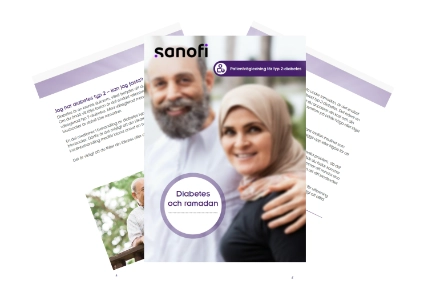
Diabetes och Ramadan
2026 infaller Ramadan mellan 17 februari och 19 mars. Vi har tagit fram material för att hjälpa dig att stötta din patient med diabetes som vill fasta under Ramadan.



EVEREST study: First ever direct Head-to-Head Comparison of Dupilumab vs Omalizumab in Patients with Severe CRSwNP and Coexisting Asthma
First ever direct Head-to-Head Comparison of Dupilumab vs Omalizumab in Patients with Severe CRSwNP and Coexisting Asthma.

SE-FILMEN-HÄR
