
- Article
- Source: Campus Sanofi
Control glucémico: estrategias clínicas
Revisión de la evidencia que sustenta el control glucémico sostenido en diabetes mellitus, con foco en la reducción del riesgo de complicaciones micro y macrovasculares, el valor de la HbA1c y el tiempo en rango como parámetros de seguimiento, y la importancia de individualizar los objetivos según el perfil clínico del paciente.

El estudio DCCT en diabetes tipo 1 y el UKPDS en diabetes tipo 2 demostraron que el control glucémico estricto reduce significativamente la incidencia y progresión de retinopatía, nefropatía y neuropatía diabética. El efecto legado observado en el seguimiento prolongado del UKPDS confirmó que los beneficios del control temprano persisten durante años, reforzando la importancia de intervenir precozmente desde el diagnóstico.
La HbA1c refleja el promedio glucémico de los últimos 2–3 meses y predice el riesgo de complicaciones microvasculares. El TIR complementa esta información al cuantificar el tiempo en niveles óptimos (70–180 mg/dL), siendo un predictor independiente de complicaciones. Estudios en diabetes tipo 1 demostraron correlación significativa entre mayor TIR y menor progresión de retinopatía y nefropatía.
La individualización considera la duración de la diabetes, la presencia de complicaciones establecidas, el riesgo de hipoglucemia, las comorbilidades cardiovasculares, la función renal, la fragilidad, la expectativa de vida y los valores y preferencias del paciente. Los objetivos menos estrictos (HbA1c ≤8%) son apropiados en adultos mayores frágiles, con múltiples comorbilidades o con hipoglucemias graves recurrentes.
Los desafíos en las conversaciones sobre el control glucémico
Los profesionales de la salud reconocen el papel vital del control glucémico en el manejo de la diabetes tipo 2. Sin embargo, algunos pacientes pueden enfrentarse a dificultades con1,2:


Esto puede llevar a conversaciones difíciles, que desmotiven y que puedan hacer sentir a los pacientes desconectados de su tratamiento.
Con el enfoque correcto, las conversaciones difíciles pueden transformarse en diálogos enriquecedores que empoderen a los pacientes a asumir un papel activo en su tratamiento1,2
Por qué importa el control glucémico: más allá de los números
El impacto en vida real de mantener niveles de glucosa estables
Al hablar con los pacientes sobre el control glucémico, traducir términos clínicos, como HbA1c y Tiempo en Rango (TiR), en beneficios concretos puede mejorar significativamente su motivación y compromiso.
Los pacientes que mantienen un control glucémico óptimo reportan de manera constante3:
- Mejor calidad de vida
- Menos síntomas relacionados con la diabetes

Medidas complementarias: más allá de la HbA1c
Aunque la HbA1c sigue siendo una medida fundamental del control glucémico a largo plazo, explicar el concepto de TiR a los pacientes, puede ofrecer una visión más completa de su estado glucémico general6,7.
El TiR es actualmente reconocido por las principales organizaciones que abordan el manejo de la diabetes, incluyendo la Asociación Americana de Diabetes (ADA) y la Asociación Europea para el Estudio de la Diabetes (EASD), como una métrica complementaria valiosa7.
A los pacientes puede motivarles saber que incluso mejoras modestas en el TiR (tan solo un 5%) se asocian con beneficios clínicamente significativos7.
Este enfoque puede ayudar a que los pacientes vean el progreso como algo más alcanzable, haciendo que el control glucémico parezca menos abrumador7.
Entendiendo las barreras del paciente
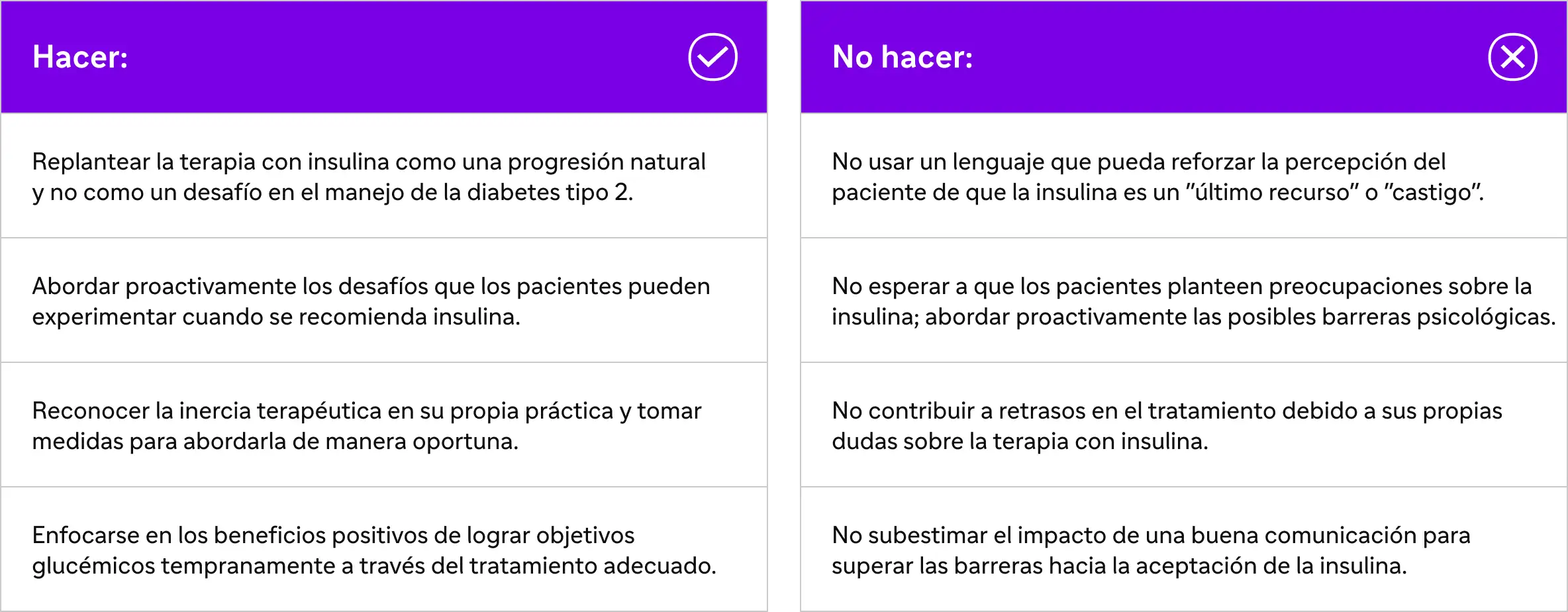
El impacto de la inercia terapéutica
La falta de intensificación del tratamiento a pesar de indicaciones clínicas claras sigue siendo una barrera importante para el manejo eficaz de la diabetes9. Este retraso suele deberse tanto a las dudas del profesional de la salud como a la resistencia del paciente.
Reconociendo esta mentalidad y utilizando una comunicación proactiva, puedes ayudar a los pacientes a alcanzar sus objetivos glucémicos más pronto y, en última instancia, mejorar los resultados a largo plazo9.
Estrategias prácticas para un compromiso efectivo
Fomentar un entorno de apoyo sin juicios
El uso de un lenguaje de apoyo, sin prejuicios, puede ayudar a que los pacientes vean de manera positiva la insulina y otras intervenciones10.

Empoderar a través de la educación

Para hacer que los conceptos complejos sean más comprensibles, considera usar:
- Ayudas visuales
- Analogías
- Ejemplos con los que el paciente se pueda identificar

Comienza con empatía: aborda las barreras psicológicas desde el inicio
- Las investigaciones demuestran que abordar las barreras psicológicas desde el inicio puede mejorar tanto la aceptación del tratamiento como la adherencia12.
- Dedica tiempo durante las consultas para explorar los miedos, ideas erróneas y preocupaciones de tus pacientes sobre sus opciones de tratamiento.
- Una pregunta simple como, "¿Qué es lo que más te preocupa de comenzar con la insulina?" puede abrir la puerta a conversaciones constructivas que de otro modo nunca ocurrirían.
Enfoques holísticos para el control glucémico

Modificaciones del estilo de vida como un elemento del control glucémico
- Aunque la adherencia al tratamiento es crucial para mantener el control glucémico13, las intervenciones en el estilo de vida siguen siendo un pilar fundamental en el manejo de la diabetes14.
- Ayuda a tus pacientes a entender que la actividad física regular mejora la sensibilidad a la insulina y que incluso cambios modestos pueden llevar a mejoras significativas15.
- No subestimes el papel del sueño: las investigaciones demuestran que la mala calidad del sueño puede afectar negativamente los niveles de glucosa en sangre16.
Abordar estos factores de estilo de vida junto con la medicación puede conducir a resultados más eficaces y sostenibles16.
Uso de la monitorización de la glucosa para aumentar la motivación
La monitorización de la glucosa en sangre desempeña un papel clave en la mejora del control glucémico al ofrecer retroalimentación en tiempo real ayudando a los pacientes a relacionar sus comportamientos diarios con los resultados18. Para los pacientes adecuados, implementar sistemas de monitorización continua de glucosa representa un avance significativo, ya que proporciona datos en tiempo real, información integral y recomendaciones prácticas para el manejo de la diabetes19.
Principales beneficios a largo plazo del manejo de la diabetes tipo 2
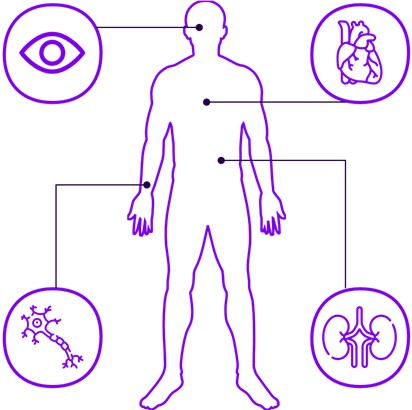
Protección microvascular
- Mantener un control glucémico eficaz reduce significativamente el riesgo de complicaciones microvasculares, ayudando a proteger órganos y sistemas vitales20.
- Cuando los pacientes comprenden que sus esfuerzos diarios protegen directamente sus ojos, riñones y sistema nervioso, la idea de "control" pasa de ser un objetivo abstracto para convertirse en una inversión significativa en su salud a largo plazo20.
Prevención de enfermedades cardiovasculares
El control intensivo y temprano de la glucosa ofrece beneficios cardiovasculares duraderos21. Este efecto conocido como “memoria metabólica" destaca la importancia de lograr un buen control glucémico lo antes posible.
Adaptando tu enfoque
Personalizando los objetivos de HbA1c para un mejor cuidado
Los objetivos de HbA1c deben individualizarse según los factores únicos de cada paciente, incluyendo22:
- Edad
- Comorbilidades
- Duración de la diabetes y riesgo de hipoglucemia
Involucrar a los pacientes en conversaciones sobre la individualización de la meta de HbA1c, les ayuda a entender que su plan de tratamiento está cuidadosamente adaptado a sus necesidades y circunstancias específicas. Este enfoque colaborativo puede mejorar la confianza, la adherencia y los resultados a largo plazo.
Detección temprana de las complicaciones de salud mental
- La diabetes puede afectar negativamente la calidad de vida de una persona. Las personas con diabetes a menudo experimentan niveles más altos de estrés relacionado con la enfermedad, en comparación con la población general. La depresión y los trastornos de ansiedad son dos veces más frecuentes en individuos con diabetes tipo 2 en comparación con la población general23.
- Por lo tanto, la monitorización cuidadosa del control glucémico es especialmente importante para los pacientes que muestran signos clínicos de depresión. Los planes de tratamiento deben incluir apoyo psicológico y estrategias para mejorar el autocontrol.
Conclusión: Empoderar a los pacientes a través de una comunicación clara y efectiva
El comienzo adecuado del uso de insulina es esencial para garantizar resultados de salud a largo plazo en los pacientes. Este camino comienza con una comunicación efectiva. Ayuda a los pacientes a comprender la importancia del control glucémico ofreciendo explicaciones claras, abordando barreras psicológicas y proporcionando un apoyo personalizado. Estas estrategias pueden facilitar conversaciones significativas sobre la importancia del control glucémico en personas con diabetes tipo 2.
Cada interacción con el paciente es una oportunidad para generar confianza y profundizar en la comprensión. El apoyo que ofreces hoy juega un papel crucial en el bienestar a largo plazo de tus pacientes.
Explorar
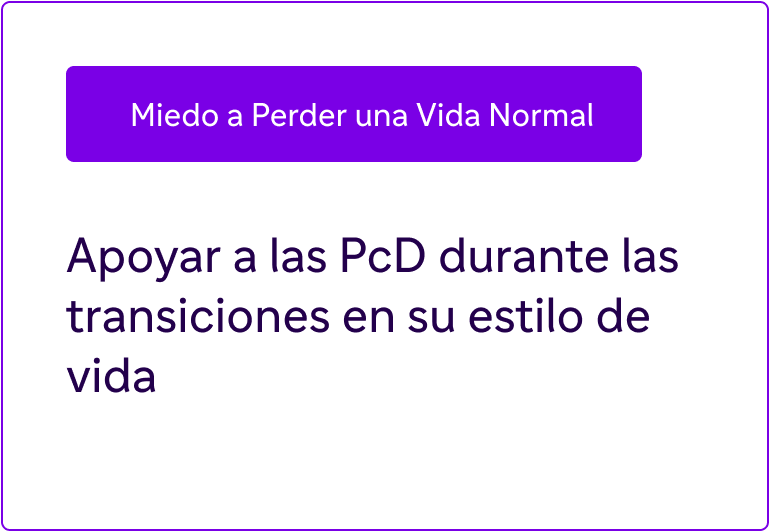
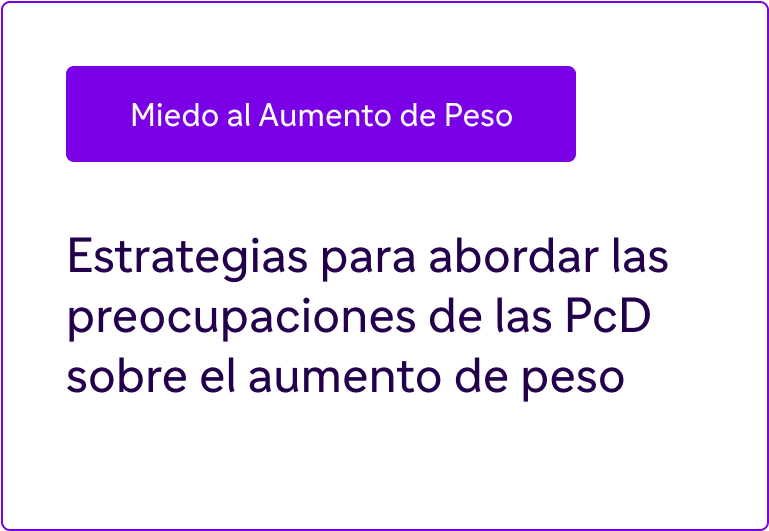
PcD: Personas con diabetes
Debes ser un profesional de la salud para continuar leyendo este contenido.
¿Eres un profesional de la salud?
Regístrate para obtener acceso exclusivo a las últimas noticias sobre avances científicos y a recursos que mejoren la vida de tus pacientes.
Login
Obtenga acceso a información para profesionales de la salud y edite los temas relevantes para usted en su perfil.
HCP Verification Required
REENVÍO ÉXITO
Por favor revise su correo electrónico para ver el correo electrónico de verificación.
Contenido restringido
No tienes el rol verificado correcto para ver este contenido.
Revisa tu bandeja de entrada de correo electrónico para activar tu cuenta
Se ha enviado un correo electrónico de verificación al correo electrónico con el que se registró. Para activar su cuenta, haga clic en el enlace de este correo electrónico. Si no ha recibido el correo electrónico de verificación, haga clic en el botón a continuación.
Referencias
- Polonsky WH, Capehorn M, Belton A, et al. Physician-patient communication at diagnosis of Type 2 Diabetes and its links to patient outcomes: new results from the global IntroDia® study. Diabetes Res Clin Pract. 2017;127:265-274. doi:10.1016/j.diabres.2017.03.016
- Khunti K, Zaccardi F, Amod A, et al. Glycemic control is still central in the hierarchy of priorities in Type 2 Diabetes management. Diabetologia. 2025;68(1):17-28. doi:10.1007/s00125-024-06254-w
- Testa MA, Simonson DC. Health economic benefits and quality of life during improved glycemic control in patients with type 2 diabetes mellitus: a randomized, controlled, double-blind trial. JAMA. 1998;280(17):1490-1496. doi:10.1001/jama.280.17.1490
- Banasiak K, Cleary D, Bajurny V, et al. Language Matters – A Diabetes Canada Consensus Statement. Can J Diabetes. 2020;44(5):370-373. doi:10.1016/j.jcjd.2020.05.008
- Yahaya JJ, Doya IF, Morgan ED, Ngaiza AI, Bintabara D. Poor glycemic control and associated factors among patients with Type 2 Diabetes mellitus: a cross-sectional study. Sci Rep. 2023;13(1):9673. Published 2023 Jun 14. doi:10.1038/s41598-023-36675-3
- Sun B, Luo Z, Zhou J. Comprehensive elaboration of glycemic variability in diabetic macrovascular and microvascular complications. Cardiovasc Diabetol. 2021;20(1):9. Published 2021 Jan 7. doi:10.1186/s12933-020-01200-7
- Battelino T, Danne T, Bergenstal RM, et al. Clinical targets for continuous glucose monitoring data interpretation: recommendations from the International consensus on time in range. Diabetes Care. 2019;42(8):1593- 1603. doi:10.2337/dci19-0028
- Brod M, Alolga SL, Meneghini L. Barriers to initiating insulin in Type 2 Diabetes patients: development of a new patient education tool to address myths, misconceptions and clinical realities. Patient. 2014;7(4):437-450. doi:10.1007/s40271-014-0068-x
- Reach G, Pechtner V, Gentilella R, Corcos A, Ceriello A. Clinical inertia and its impact on treatment intensification in people with Type 2 Diabetes mellitus. Diabetes Metab. 2017;43(6):501-511. doi:10.1016/j.diabet.2017.06.003
- Dickinson JK, Guzman SJ, Maryniuk MD, et al. The use of language in diabetes care and education. Diabetes Care. 2017;40(12 ):1790-1799. doi:10.2337/dci17-0041
- Essien O, Otu A, Umoh V, Enang O, Hicks JP, Walley J. Intensive patient education improves glycemic control in diabetes compared to conventional education: a randomised controlled trial in a Nigerian tertiary care hospital. PLoS One. 2017;12(1):e0168835. Published 2017 Jan 3. doi:10.1371/journal.pone.0168835
- Holmes-Truscott E, Browne JL, Ventura AD, Pouwer F, Speight J. Diabetes stigma is associated with negative treatment appraisals among adults with insulin-treated Type 2 diabetes: results from the second Tiabetes MILES - Australia (MILES-2) survey. Diabet Med. iabet Med. 2018;35(5):658-662. doi:10.1111/dme.13598
- Khunti K, Wolden ML, Thorsted BL, Andersen M, Davies MJ. Clinical inertia in people with type 2 diabetes: a retrospective cohort study of more than 80,000 people. Diabetes Care. 2013;36(11):3411-3417. doi:10.2337/dc13- 0331
- American Diabetes Association. 4. Lifestyle Management. Diabetes Care. 2017;40(Suppl 1):S33-S43. doi:10.2337/dc17-S007
- Colberg SR, Sigal RJ, Yardley JE, et al. Physical activity/exercise and diabetes: a position statement of the American Diabetes Association. Diabetes Care. 2016;39(11):2065-2079. doi:10.2337/dc16-1728
- Reutrakul S, Van Cauter E. Sleep influences on obesity, insulin resistance, and risk of type 2 diabetes. Metabolism. 2018;84:56-66. doi:10.1016/j.metabol.2018.02.010
- Strom JL, Egede LE. The impact of social support on outcomes in adult patients with type 2 diabetes: a systematic review. Curr Diab Rep. 2012;12(6):769-781. doi:10.1007/s11892-012-0317-0
- Polonsky WH, Fisher L, Schikman CH, et al. Structured self-monitoring of blood glucose significantly reduces A1C levels in poorly controlled, noninsulin-treated type 2 diabetes: results from the structured testing program study. Diabetes Care. 2011;34(2):262-267. doi:10.2337/dc10-1732
- Beck RW, Riddlesworth T, Ruedy K, et al. Effect of continuous glucose monitoring on glycemic control in adults with type 1 diabetes using insulin injections: the DIAMOND randomized clinical trial. JAMA. 2017;317(4):371- 378. doi:10.1001/jama.2016.19975
- Intensive blood-glucose control with sulphonylureas or insulin compared with conventional treatment and risk of complications in patients with Type 2 Diabetes (UKPDS 33). UK Prospective Diabetes Study (UKPDS) Group. Lancet. 1998;352(9131):837-853.
- Holman RR, Paul SK, Bethel MA, Matthews DR, Neil HA. 10-year follow-up of intensive glucose control in type 2 diabetes. N Engl J Med. 2008;359(15):1577-1589. doi:10.1056/NEJMoa0806470
- American Diabetes Association Professional Practice Committee; 6. Glycemic goals and hypoglycemia: standards of care in diabetes—2024. Diabetes Care 1 January 2024; 47 (Supplement_1): S111– S125. https://doi.org/10.2337/dc24-S006
- Roy T, Lloyd CE. Epidemiology of depression and diabetes: a systematic review. J Affect Disord. 2012;142 Suppl:S8-S21. doi:10.1016/S0165- 0327(12)70004-6
Lo más reciente en Ciencia y Educación.

Insulina basal de segunda generación en diabetes tipo 2: cómo alcanzar los objetivos terapéuticos en diversas poblaciones de pacientes
Explora el papel de la insulina basal de segunda generación en diabetes tipo 2 y estrategias para alcanzar objetivos terapéuticos en diversas poblaciones de pacientes.
BRIDGE Talks: Detección temprana en Diabetes Tipo 1
Mantente a la vanguardia de las novedades de detección temprana en DT1 de la mano de expertos. En esta edición encontraras la manera practica de identificar pacientes en estadios tempranos con casos clínicos junto a Marcela Raggio y Alejandro Dain

Estudio Deliver-T: Caso Práctico 1.
En este segmento del conversatorio, los especialistas profundizan en las estrategias de intensificación del tratamiento en diabetes tipo 2, comparando distintos escenarios clínicos a partir de la evidencia disponible. A través del análisis de estudios como Deliver-T y su relación con investigaciones previas, se reflexiona sobre la importancia de la continuidad terapéutica, el valor de la combinación de tratamientos y la toma de decisiones individualizada. El diálogo pone énfasis en un abordaje integral del paciente, considerando no solo el control glucémico, sino también los múltiples factores metabólicos que influyen en su evolución clínica.
perfiles-de-pacientes-lucas
.2024-03-12-15-52-14.svg)
Perfil clínico
- 16 años, diagnosticado hace 8 año
- Sufre de signos y síntomas intensos.
- Sufre de signos y síntomas intensos.
- Tratamiento actual: CET de alta potencia. Sin respuesta a fototerapia.
Impacto
- Las lesiones altamente visibles en el rostro tienen un impacto en su vida social.
- El prurito lo distrae durante las clases y no lo deja dormir por las noches.
- Tuvo siete ausencias escolares este año debido a la enfermedad.
- La enfermedad tiene, además, un impacto negativo en sus padres, incluido el estrés.
Metas del tratamiento
- Reducir el prurito.
- Mejorar las lesiones cutáneas.
- Distraerse menos en la escuela a causa de sus síntomas.
perfiles-de-pacientes-sofia

Perfil clínico
- 26 años, diagnosticada en la primera infancia.
- Ha sufrido erupciones problemáticas y trastornos frecuentes del sueño.
- Mejora clínica inadecuada con el tratamiento actual.
- Tratamiento actual: CET. Debió suspender ciclosporina por efectos adversos.
Impacto
- Lesiones cutáneas en las áreas de flexión.
- El prurito persistente provoca trastornos del sueño.
- El prurito persistente provoca trastornos del sueño.
Metas del tratamiento
- Reducir el prurito.
- Mejorar las lesiones cutáneas.
- Encontrar un tratamiento que permita un control adecuado a largo plazo de su enfermedad sin toxicidad.
perfiles-de-pacientes-mateo

Perfil clínico
- 50 años, diagnosticado en la primera infancia.
- No logra sostener el control a largo plazo de la enfermedad con el tratamiento actual
- Tratamiento actual: CET y ciclosporina, con pobre respuesta.
Impacto
- Lesiones crónicas: liquenificación con sobre-infecciones frecuentes.
- Prurito severo persistente.
- La pérdida frecuente del sueño afecta el desempeño laboral.
Metas del tratamiento
- Lesiones crónicas: liquenificación con sobre-infecciones frecuentes.
- Prurito severo persistente.
- La pérdida frecuente del sueño afecta el desempeño laboral.