
Evolving Basal Insulin Therapy: From First-Generation to Second-Generation Analogues in Diabetes Care

Prescribing Information Link
Indication: Toujeo® is indicated for the treatment of diabetes mellitus in adults, adolescents and children from the age of 6 years.
Bridging the Gap in Diabetes Management
In the evolving landscape of diabetes care, the nuanced differences among basal insulin (BI) therapies are increasingly being recognized and can play a significant role in optimizing treatment for your patients. Insulin glargine U100 has served as a cornerstone of diabetes management for many years. The emergence of second-generation BIs (2nd gen BI) has fundamentally shifted the treatment paradigm.1,2 Clinical evidence supports 2nd gen BI as a valuable option to insulin glargine U100, offering enhanced adaptability for individualized diabetes care.3
Insulin glargine U100 remains a widely prescribed basal insulin, supported by long-standing clinical experience and established prescribing patterns. While it continues to be effective for many patients, emerging evidence suggests that newer basal insulin analogs—such as insulin glargine U300—may offer additional benefits in specific clinical scenarios, including reduced risk of hypoglycemia and improved glycemic stability, which could help address ongoing challenges in diabetes management.4,5
Notably, 75.5% of specialists indicated they would treat type 2 diabetes (T2D) more intensively if concerns about hypoglycemia were reduced.3 Additionally, a multinational survey reported that approximately 36% of people with T2D experienced self-treated hypoglycemia within the past 30 days.6
In response, many adjusted their BI doses to avoid nocturnal episodes |
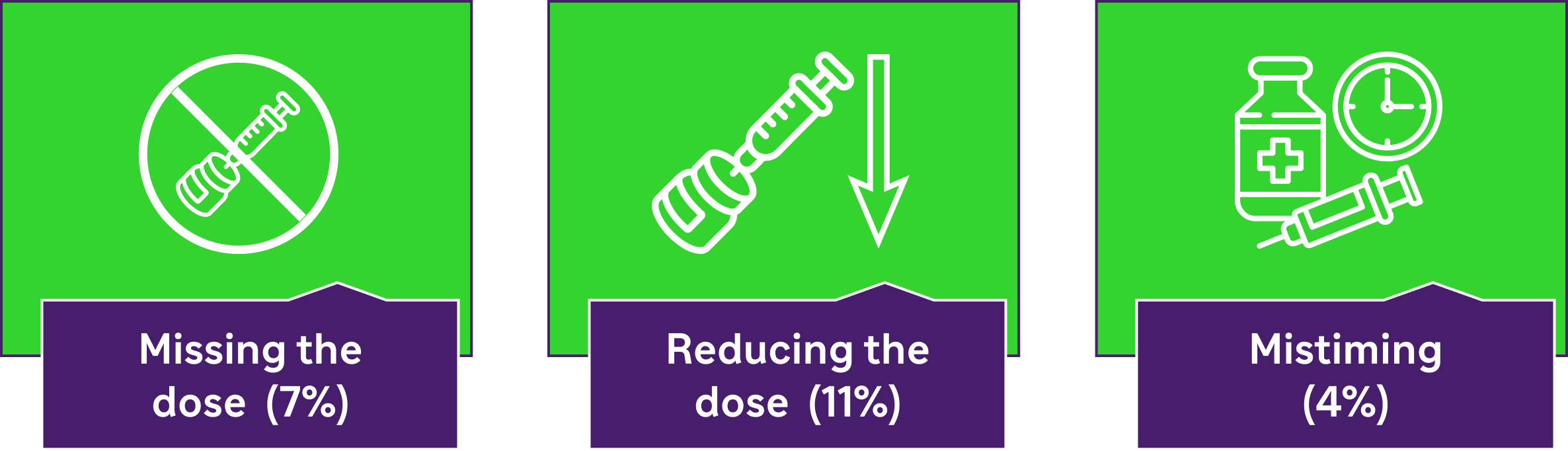
This self-management of T2D is associated with notable negative consequences, including patient well-being and functioning.6 Furthermore, 43% of people with T2D reported adjusting their insulin dose to avoid hypoglycemic events following a mild or moderate episode.7
Toujeo showed less fluctuation of steady state glucose infusion profiles
Enhanced Pharmacokinetic Profile
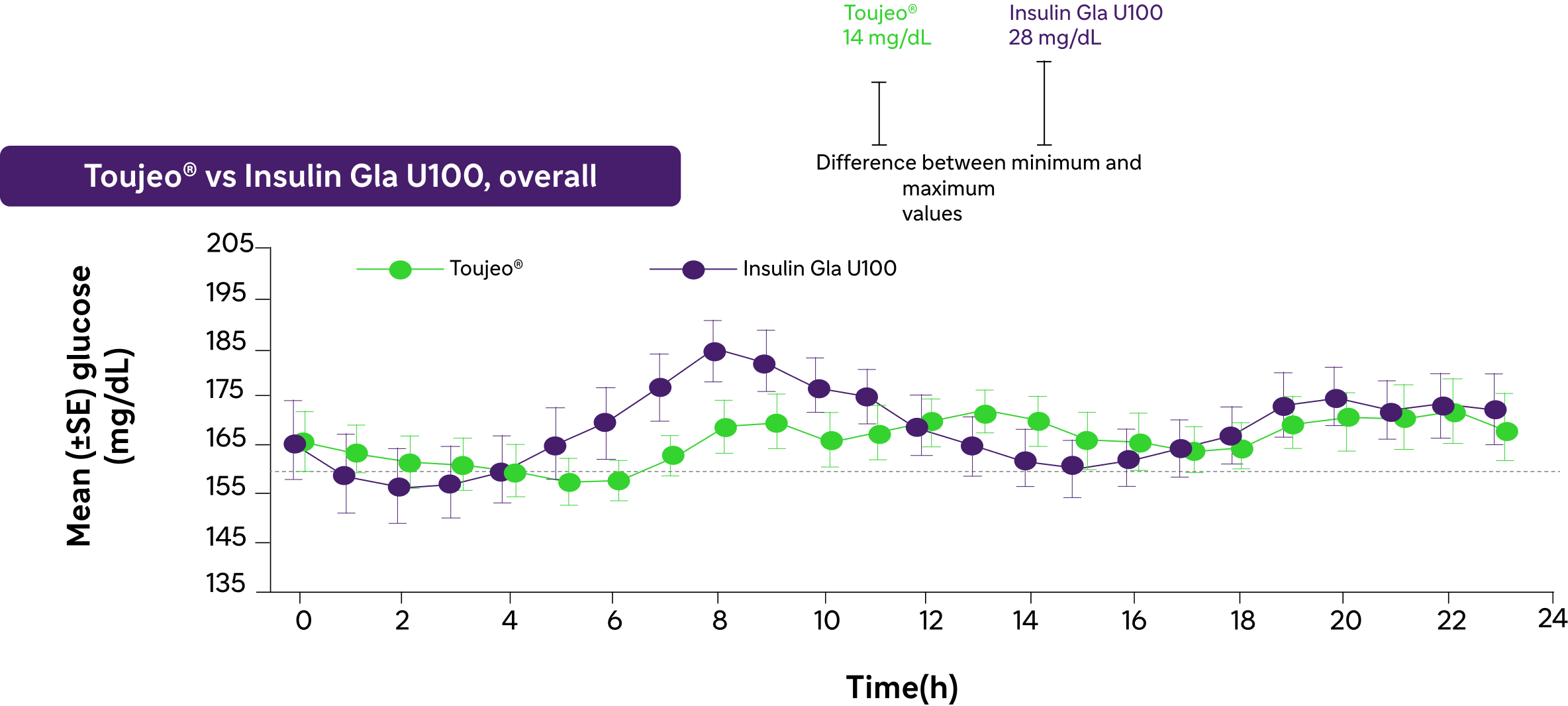
Toujeo® provides a more stable and prolonged pharmacokinetic and pharmacodynamic profile with a longer duration of action extending blood glucose control well beyond 24 hours.9,10 Clinical studies show that Toujeo® provides consistent, evenly distributed activity throughout the day with less within-day variability compared to other long-acting insulins.10
Toujeo® showed less fluctuation of steady state glucose infusion rate profiles10,11 |
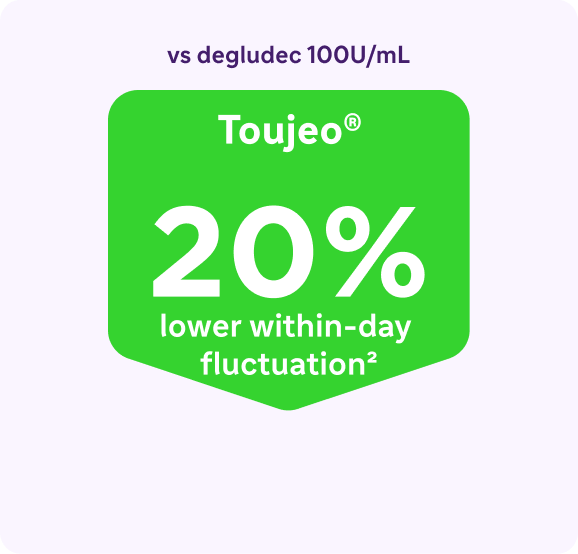
Gla-300 = 0.38
Deg-100 = 0.46
p = 0.047
Comparable time-in-range, less glycemic variability and reduced nocturnal hypoglycemia with Toujeo® vs Insulin Gla U10011
Toujeo® Demonstrated Equivalent Efficacy with Enhanced Safety
The EDITION clinical trial program encompassed over 3,000 people with diabetes across four pivotal studies. It showed that Toujeo® delivers the equivalent glycemic control to insulin glargine U100 while providing significant clinical advantages including a lower risk of nocturnal and overall hypoglycemia, more stable 24-hour glucose profiles, and reduced glycemic variability across all populations from insulin-naïve individuals to those on complex basal-bolus regimens.12-16
Study |
Population |
N (Gla-300 / Gla-100) |
Primary Efficacy (HbA1c) |
Change in mean HbA1c |
Safety Outcomes (Nocturnal Hypo) |
Absolute Numbers |
| EDITION 1 | T2D (basal + mealtime insulin) | 404 / 403 | Non-inferior (margin <0.4%) | LS mean: −0.83% both groups; diff: −0.00% (95% CI −0.11 to 0.11) | 21% relative risk reduction (RR 0.79 [95% CI 0.67–0.93]; P = 0.0045) | 36% (146/404) Gla-300 vs 46% (184/400) Gla-100 with ≥1 nocturnal event (wk 9–mo 6) |
| EDITION 2 | T2D (basal insulin only) | N/A* | Non-inferior (margin <0.3%) | LS mean: −0.57% Gla-300 vs −0.56% Gla-100; diff: −0.01% | 23% reduction (P = 0.0380) | Not available from provided documents |
| EDITION 3 | T2D (insulin-naive) | N/A* | Non-inferior (margin <0.4%) | LS mean diff: 0.04% (95% CI −0.09 to 0.17) | 24% reduction in nocturnal hypo risk | Not available from provided documents |
| EDITION 4 | T1D | N/A* | Non-inferior (margin <0.4%) | Not provided | 31% reduction in nocturnal hypo (first 8 weeks) | Not available from provided documents |
The Hypoglycemia Advantage: A potentially game changing benefit
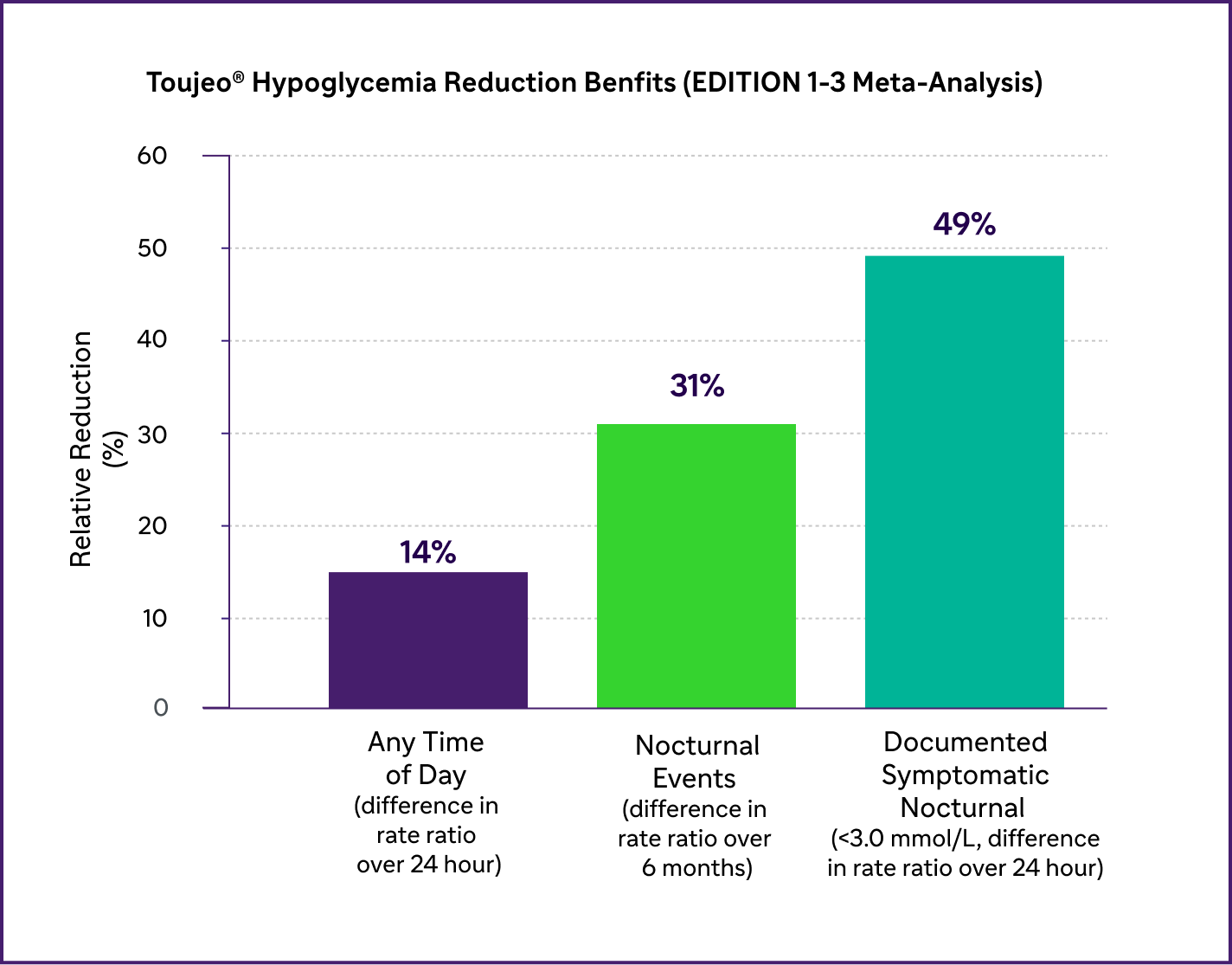
Hypoglycemia reductions represent meaningful clinical benefits that can transform experiences and treatment adherence for people with diabetes. A meta-analysis of the EDITION 1–3 studies (n = 2,474; Gla-300: 1,247 vs Gla-100: 1,227) showed a 14% reduction in confirmed hypoglycemic events at any time of day, and a 31% reduction in nocturnal events over six months compared to insulin glargine U100 (P < 0.001). In EDITION 1 specifically (n = 807; Gla-300: 404 vs Gla-100: 403), 36% (146/404) of people with T2D on Gla-300 experienced ≥1 nocturnal confirmed or severe hypoglycemic event from week 9 to month 6, compared to 46% (184/400) on Gla-100 (relative risk 0.79 [95% CI 0.67–0.93]; P = 0.0045). In another study, 49% of people with T2D had fewer nocturnal events across all time with Toujeo®, supporting its safer and more confident diabetes management.14,17,18
RESTORE-G Study: Real-World Evidence Supporting Second-Generation BIs
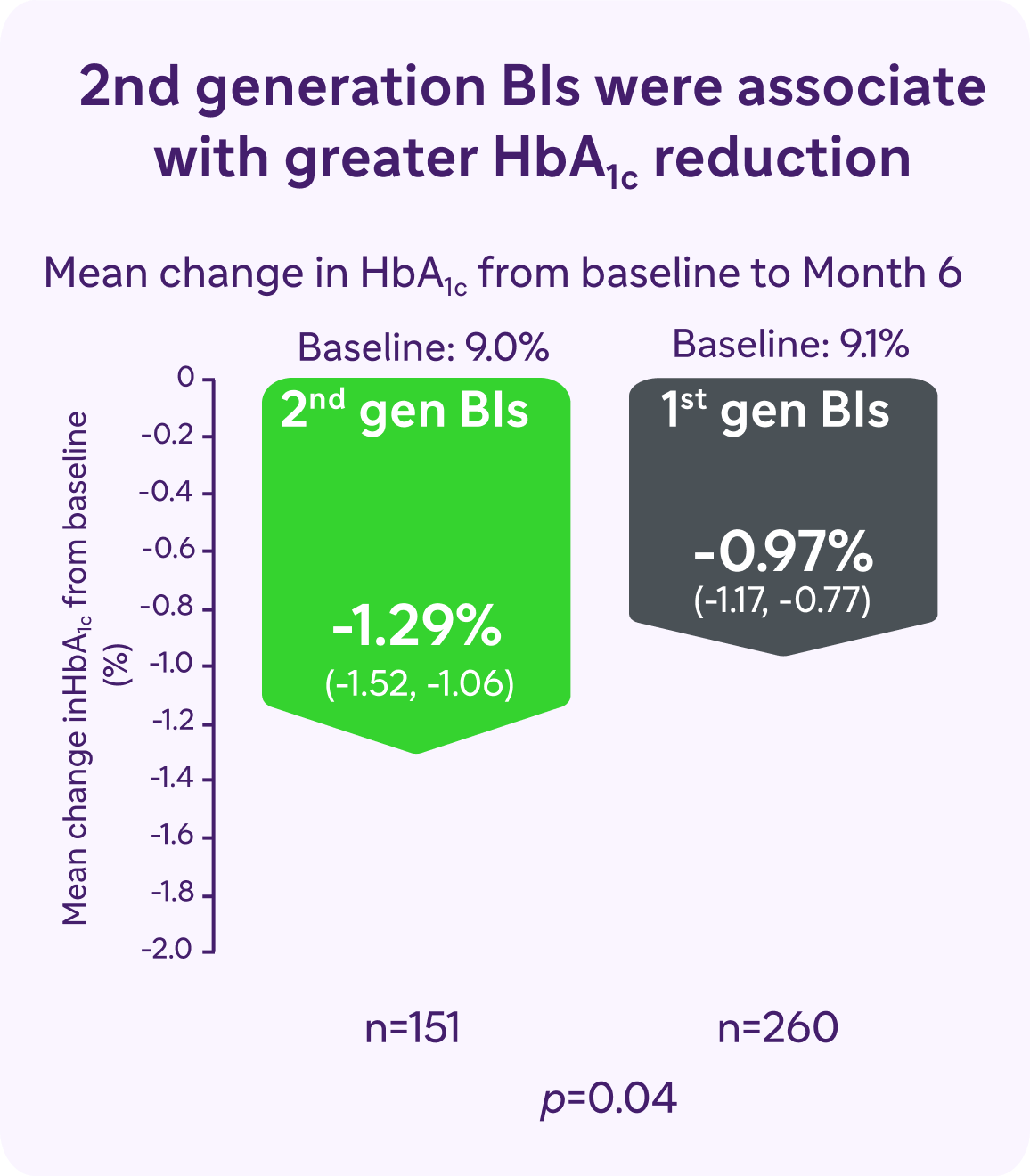
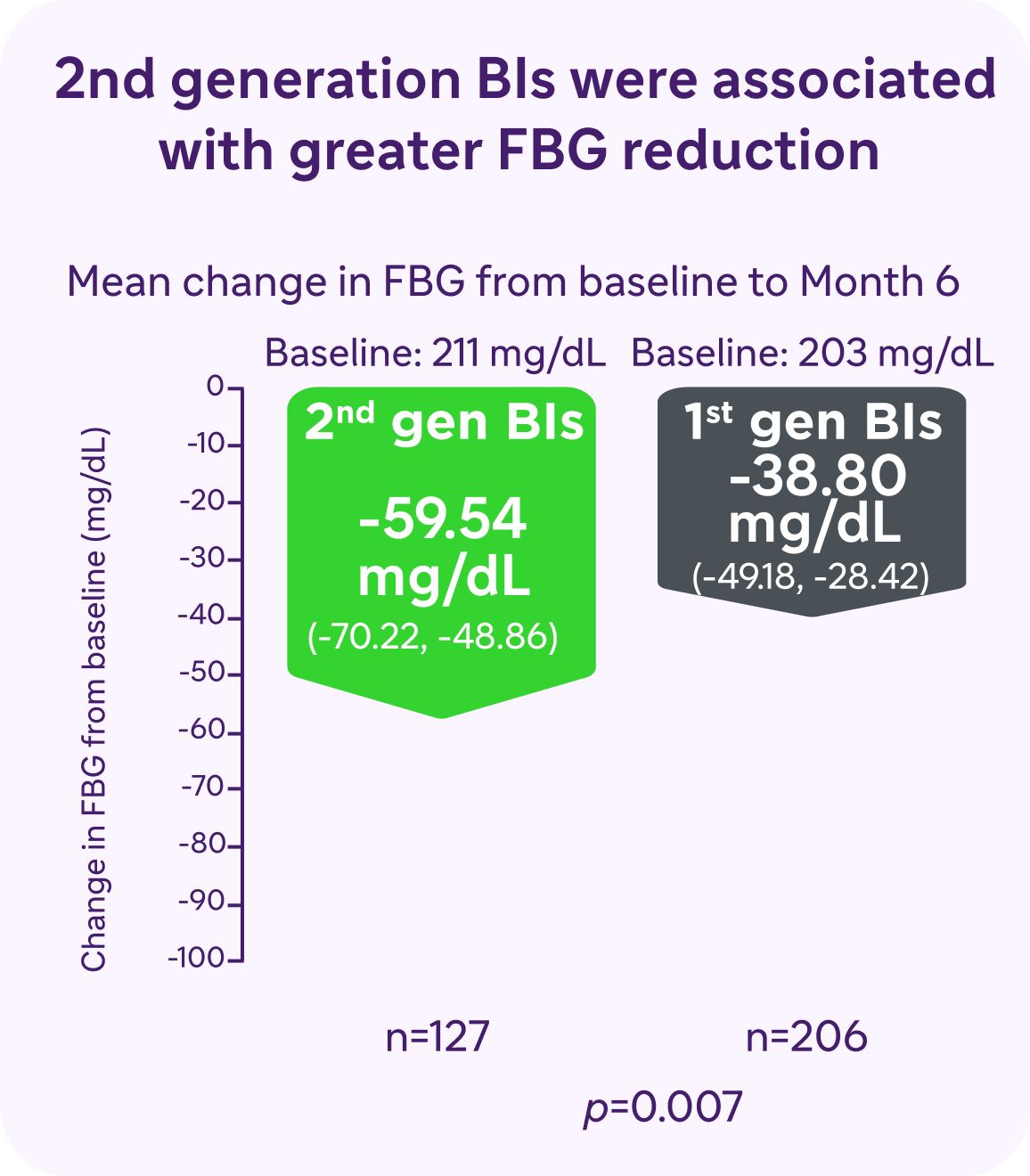
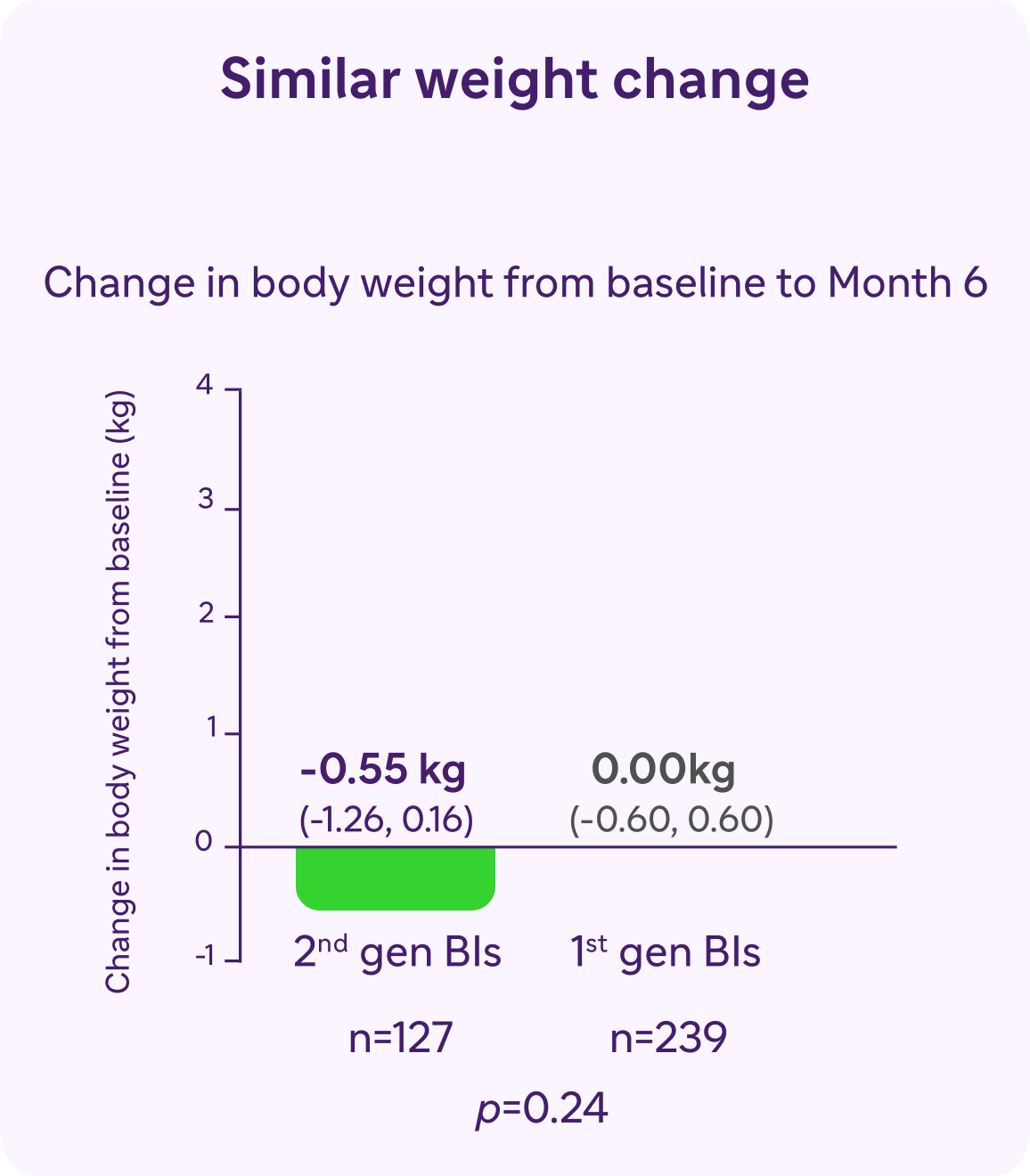
The RESTORE-G study provides additional compelling evidence for 2nd gen BIs. In insulin-naïve adults with T2D, when intensifying therapy by adding BI to ongoing GLP-1RA treatment, 2nd gen options like Toujeo® were associated with significantly greater reductions in HbA1c and fasting blood glucose compared to first-generation analogues such as Lantus, while maintaining similar weight profiles.19
Real-world analysis in insulin-naïve adults with T2DM on GLP-1 RA ± OAD(s), intensifying their therapy by starting basal insulin (Toujeo® or degludec) and discontinuing GLP-1 RA |
Additional Clinical Advantages of Toujeo®
WEIGHT NEUTRALITY
Toujeo® addresses insulin-associated weight gain, with clinical studies showing less weight gain compared to insulin glargine U100 users (mean changes under 1kg after six months). In TID patients, Toujeo® users gained significantly less weight (0.5 kg vs 1.0 kg), supporting long-term treatment adherence.15

DOSING FLEXIBILITY
Toujeo® extended 36-hour duration provides ±3-hour dosing flexibility when needed, accommodating modern lifestyle demands without compromising glycemic control.9

CARDIOVASCULAR SAFETY
Additionally, the cardiovascular safety profile has been established through extensive clinical experience, including neutral CV effects demonstrated in large-scale studies spanning over six years.20
Conclusion
Toujeo® represents a significant advancement in BI therapy. It addresses the key limitations of firstgeneration BIs while maintaining proven efficacy and excellence. Toujeo® provides effective glycemic control with a lower risk of hypoglycemia compared to insulin glargine U100, offering an improved safety profile across diverse populations with T2D. In addition to its comparable glycemic control and reduced risk of hypoglycemia, Toujeo® also showed weight neutrality or modest weight benefit in clinical studies when compared to insulin glargine U100, making it the clear choice for modern diabetes management.
TOUJEO® (insulin glargine 300 units/ml) – Abbreviated Prescribing Information
NAME AND PRESENTATION: Toujeo® 300 units/ml SoloStar, solution for injection in a prefilled pen. Toujeo® 300 units/ml DoubleStar, solution for injection in a pre-filled pen. 1 ml of solution contains 300 units of insulin glargine. Each SoloStar prefilled pen contains 1,5 ml of solution for injection (equivalent to 450 units). Each DoubleStar pen contains 3 ml of solution for injection (equivalent to 900 units). THERAPEUTIC INDICATIONS: Treatment of diabetes mellitus in adults, adolescents and children from the age of 6 years. POSOLOGY AND METHOD OF ADMINISTRATION*: Toujeo® is a basal insulin for once-daily administration at any time of the day, preferably at the same time every day. When needed, patients can administer Toujeo® up to 3 hours before or after their usually time of administration. The dose regimen (dose and timing) should be adjusted according to individual response. In type 1 diabetes mellitus, Toujeo® is to be used once-daily and must be combined with short-/rapid-action insulin to cover mealtime insulin requirements. In patients with type 2 diabetes mellitus, the recommended daily starting dose is 0.2 units/kg. Toujeo® can also be given together with other anti-hyperglycaemic medicinal products. Switch: When switching from insulin glargine 100 units/ml to Toujeo®, this can be done on a unit-to-unit basis. When switching from a treatment regimen with an intermediate or long-action insulin to a regimen with Toujeo®, a change of the dose of the basal insulin may be required and the concomitant anti-hyperglycaemic treatment may need to be adjusted. Close metabolic monitoring is recommended during the switch and in the initial weeks thereafter. For switch details see full SmPC. Special populations: Toujeo® can be used in elderly people, renal and hepatic impaired patients and adolescents and children ≥6 years. Renal impairment & hepatic impairment: insulin requirements may be diminished. Elderly: progressive deterioration of a renal function may lead to a steady decrease in insulin requirements. Children: Toujeo® can be used in in adolescents and children based on the same principles as adult patients. When switching to Toujeo®, dose reduction on basal and bolus insulins needs to be considered on an individual basis to minimize risk of hypoglycaemia. Safety and efficacy in children below 6 years have not been established, no data are available. Method of administration: For subcutaneous use only. Rotate injection sites to reduce the risk of lipodystrophy and cutaneous amyloidosis. Toujeo® must not be administered intravenously or in insulin infusion pumps. The Toujeo® SoloStar and Toujeo® DoubleStar pre-filled pens have been specifically designed for Toujeo® and no dose re-calculation is required for either pen. When changing from Toujeo® SoloStar to Toujeo® DoubleStar, if the patient’s previous dose was an odd number (e.g. 23 units) then the dose must be increased or decreased by 1 unit (e.g. 24 or 22 units). Toujeo® DoubleStar prefilled pen is recommended for patients requiring at least 20 units per day. Toujeo® must not be drawn from the cartridge of the Toujeo® SoloStar pre-filled pen or Toujeo® DoubleStar pre-filled pen into a syringe or severe overdose can result. For administration details see full SmPC. CONTRAINDICATIONS*: Hypersensitivity to the active substance or to any of the excipients listed in the full SmPC. SPECIAL WARNINGS AND PRECAUTIONS FOR USE*: Record name and batch number of administered product to improve traceability of biological medicinal products. Toujeo® is not the insulin of choice for the treatment of diabetic ketoacidosis. Instruct patients to continuously rotate injection site to reduce risk of lipodystrophy and cutaneous amyloidosis; delayed insulin absorption and worsened glycaemic control may occur after injection at affected sites. Sudden change in injection site to unaffected area has resulted in hyperglycaemica; blood glucose monitoring is recommended after changing injection site and dose adjustment of antidiabetic medications may be considered. The prolonged effect of insulin glargine may delay recovery from hypoglycaemia. Insulin glargine 100 units/ml and Toujeo® are not bioequivalent and are not interchangeable and switching may result in the need for a change in dose and should only be done under strict medical supervision. Switching patients between other insulins and Toujeo® should be done under strict medical supervision and may result in the need for a change in dose. Intercurrent illness requires intensified metabolic monitoring. In rare cases the presence of insulin antibodies may necessitate adjustment of insulin dose. If pioglitazone is used in combination with insulin, especially in patients with risk factors for development of cardiac heart failure, patients should be observed for signs and symptoms of heart failure, weight gain and oedema. Pioglitazone should be discontinued if any deterioration in cardiac symptoms occurs. For further details on special warnings and precautions for use see full SmPC. DRUG INTERACTIONS*: Substances that may enhance or reduce the blood glucose-lowering activity and increase susceptibility to hypoglycaemia are detailed in the full SmPC. PREGNANCY AND LACTATION*: There is no clinical experience with use of Toujeo® in pregnant women. For insulin glargine no clinical data on exposed pregnancies from controlled clinical studies are available. A large amount of data on pregnant women indicate no specific adverse effects on pregnancy and no specific malformative nor feto/neonatal toxicity of insulin glargine. The use of Toujeo® may be considered during pregnancy if clinically needed. It is unknown whether insulin glargine is excreted in human milk. No metabolic effects on breast-fed newborn/infant are anticipated as insulin glargine is digested into amino acids in the gastrointestinal tract. EFFECTS ON ABILITY TO DRIVE*: Patient’s ability to concentrate and react may be impaired as a result of hypoglycaemia or hyperglycaemia or, for example, as a result of visual impairment. Patients should be advised to take precautions to avoid hypoglycaemia whilst driving. UNDESIRABLE EFFECTS*: Very common: Hypoglycemia. Hypoglycaemia may occur if the insulin dose is too high in relation to the insulin requirement. Common: Lipohypertrophy; injection site reactions. For full list of undesirable effects consult the full SmPC. Clinical study safety data not available for children <6 years. OVERDOSAGE*: Mild episodes of hypoglycaemia can usually be treated with oral carbohydrates. More severe episodes may be treated with intramuscular/subcutaneous glucagon or concentrated intravenous glucose. PHARMACOLOGICAL PROPERTIES: ATC Code: A10A E04. MARKETING AUTHORIZATION HOLDER: Sanofi-Aventis Deutschland GmbH, D 65926 Frankfurt am Main, Germany. LEGAL CATEGORY: Medicinal product subject to medical prescription. DATE OF LAST REVIEW: March 2026
*Abbreviated Prescribing information based on the EU SmPC as of Nov 2023.
Before prescribing the product always refer to your full local prescribing information as this information may vey from country to country.
For local details, please refer to below information.
Sweden: Rx, (F), A10AE04. Toujeo is reimbursed for all patients with type 1-diabetes and for patients with type 2-diabetes where other insulin treatments are not sufficient to reach the treatment target because of repeated hypoglycaemic events. For further information, and also information concerning price and packaging, see www.fass.se. In Sweden Toujeo is provided by Sanofi AB, Box 30052, 104 25 Stockholm, Tel: +46 8 634 50 00, www.sanofi.se. For questions on our medicinal products, please contact: infoavd@sanofi.com.
BI, basal insulin; CV, Cardiovascular; GLP-1 RA, glucagon-like peptide-1 receptor agonist; HbA1c, glycated hemoglobin; LS, least squares; SE, standard error; 2nd gen BI, Secondgeneration Basal Insulin; T1D, Type 1 diabetes; Type 2 Diabetes; U/mL, units per milliliter.
-
American Diabetes Association Professional Practice Committee. 9. Pharmacologic approaches to glycemic treatment: Standards of Care in Diabetes—2025. Diabetes Care. 2025;48(Suppl 1):S181-S206.
-
Holt RIG, DeVries JH, Hess-Fischl A, et al. The management of type 1 diabetes in adults. A consensus report by the American Diabetes Association (ADA) and the European Association for the Study of Diabetes (EASD). Diabetologia. 2021;64(12):26092652.
-
Peyrot M, Barnett AH, Meneghini LF, Schumm-Draeger PM. Insulin adherence behaviours and barriers in the multinational Global Attitudes of Patients and Physicians in Insulin Therapy study. Diabet Med. 2012;29(5):682-689.
-
Edelman S, Goldman J, Malone DC, et al. Real-World Persistence, Adherence, Hypoglycemia, and Health Care Resource Utilization in People with Type 2 Diabetes Who Continued With the Second-Generation Basal Insulin Analog Insulin Glargine 300 Units/mL or Switched to a First-Generation Basal Insulin (Insulin Glargine 100 Units/mL or Detemir 100). Clin Diabetes. 2023;41(3):425-434.
-
Wysham C, Bhargava A, Chaykin L, et al. Effect of Insulin Degludec vs Insulin Glargine U100 on Hypoglycemia in Patients With Type 2 Diabetes: The SWITCH 2 Randomized Clinical Trial. JAMA. 2017;318(1):45-56.
-
Brod M, Rana A, Barnett AH. Impact of self-treated hypoglycaemia in type 2 diabetes: a multinational survey in patients and physicians. Curr Med Res Opin. 2012;28(12):1947-1958.
-
Leiter LA, Yale JF, Chiasson JL, Harris S, Kleinstiver P, Sauriol L. Assessment of the impact of fear of hypoglycemic episodes on glycemic and hypoglycemia management. Can J Diabetes. 2005;29(3):186-92.
-
Cheng AYY, Patel DK, Reid TS, Wyne K. Differentiating Basal Insulin Preparations: Understanding How They Work Explains Why They Are Different. Adv Ther. 2019;36(5):1018- 1030.
-
Toujeo® Summary of Product Characteristics 2024-25.
-
Bailey TS, Pettus J, Roussel R, et al. Morning administration of 0.4U/kg/day insulin glargine 300U/mL provides less fluctuating 24-hour pharmacodynamics and more even pharmacokinetic profiles compared with insulin degludec 100U/mL in type 1 diabetes. Diabetes Metab. 2018;44(1):15-21.
-
Bergenstal RM, Bailey TS, Rodbard D, et al. Comparison of Insulin Glargine 300 Units/mL and 100 Units/mL in Adults With Type 1 Diabetes: Continuous Glucose Monitoring Profiles and Variability Using Morning or Evening Injections. Diabetes Care. 2017;40(4):554-560.
-
Riddle MC, Bolli GB, Ziemen M, et al. New insulin glargine 300 units/mL versus glargine 100 units/mL in people with type 2 diabetes using basal and mealtime insulin: glucose control and hypoglycemia in a 6-month randomized controlled trial (EDITION 1). Diabetes Care. 2014;37(10):2755-2762.
-
Yki-Järvinen H, Bergenstal R, Ziemen M, et al. New insulin glargine 300 units/mL versus glargine 100 units/mL in people with type 2 diabetes using oral agents and basal insulin: glucose control and hypoglycemia in a 6-month randomized controlled trial (EDITION 2). Diabetes Care. 2014;37(12):3235-3243.
-
Bolli GB, Riddle MC, Bergenstal RM, et al. New insulin glargine 300 U/ml compared with glargine 100 U/ml in insulin-naïve people with type 2 diabetes on oral glucose-lowering drugs: a randomized controlled trial (EDITION 3). Diabetes Obes Metab. 2015;17(4):386-394.
-
Home PD, Bergenstal RM, Bolli GB, et al. New Insulin Glargine 300 Units/mL Versus Glargine 100 Units/mL in People With Type 1 Diabetes: A Randomized, Phase 3a, Open-Label Clinical Trial (EDITION 4). Diabetes Care. 2015;38(12):2217-2225.
-
Danne T, Matsuhisa M, Sussebach C, et al. Lower risk of severe hypoglycaemia with insulin glargine 300 U/mL versus glargine 100 U/mL in participants with type 1 diabetes: A metaanalysis of 6-month phase 3 clinical trials. Diabetes Obes Metab. 2020;22(10):1880-1885.
-
Ritzel R, Roussel R, Bolli GB, et al. Patient-level meta-analysis of the EDITION 1, 2 and 3 studies: glycaemic control and hypoglycaemia with new insulin glargine 300 U/ml versus glargine 100 U/ml in people with type 2 diabetes. Diabetes Obes Metab. 2015;17(9):859-867.
-
Bolli GB, Wysham C, Fisher M, et al. A post-hoc pooled analysis to evaluate the risk of hypoglycaemia with insulin glargine 300 U/mL (Gla-300) versus 100 U/mL (Gla-100) over wider nocturnal windows in individuals with type 2 diabetes on a basal-only insulin regimen. Diabetes Obes Metab. 2019;21(2):402-407. doi:10.1111/dom.13515
-
Napoli R, Nicolucci A, Larosa M, Rossi MC, Candido R; RESTORE‐G (Retrospective analysis on the therapeutic approaches after GLP‐1 RA treatment in type 2 diabetes patients) Study Group. Treatment intensification following glucagon-like peptide-1 receptor agonists in type 2 diabetes: Comparative effectiveness analyses between different basal insulins. RESTORE-G real-world study. Diabetes Obes Metab. 2024;26(9):3576-3586.
-
Leow MK. Basal insulin and cardiovascular and other outcomes. N Engl J Med. 2012;367(18):1763-1764.
Relaterade Artiklar



Psychological Considerations During Insulin Product Changes
Understanding the psychological burden of switching insulin. Discover ways to cope and support patient well-being during treatment changes.
SE-FILMEN-HÄR
