


Teizeild®
Teizeild: the first and only therapy approved to help delay autoimmune T1D progression1,2
Teizeild is the first proactive intervention designed to target the underlying autoimmune attack in T1D, pioneering a new era of therapy.1-4

Teizeild can help delay the onset of clinical disease in adult and paediatric patients aged >8 years with Stage 2 T1D.1
-
Teizeild (teplizumab). European Medicines Agency Summary of Product Characteristics. Sanofi, 08.01.2026
-
Herold KC, Delong T, Perdigoto AL, et al. Nat Rev Immunol. 2024;24(6):435-451.
-
Subramanian S, Khan F, Hirsch IB. BMJ. 2024;384:e075681.
-
Nagy G, Szekely TE, Somogyi A, et al. World J Diabetes. 2022;13(10):835-850.
I am looking for information about:
A new era in T1D
Teizeild is the first proactive intervention available to help address the immunological root cause of autoimmune T1D.1-4
Clinical trial results
Discover the possibilities of the first and only approved disease-modifying therapy to delay disease progression.1,2,5
Safety profile
Explore the safety profile of Teizeild, from a pool of adult and paediatric patients.
Support materials
Discover downloadable resources and helpful links that can assist you and your patients through their T1D journey.
Teizeild
-
Teizeild (teplizumab). European Medicines Agency Summary of Product Characteristics. Sanofi, 08.01.2026
-
Subramanian S, et al. BMJ. 2024; 384: e075681.
-
Ramos EL, et al. N Engl J Med. 2023; 389(23): 2151–2161.
-
Herold KC, et al. Nat Rev Immunol. 2024; 24(6): 435–451.
-
Nagy G, et al. World J Diabetes. 2022; 13(10): 835–850.
Eligible Patients
Adult and paediatric patients 8 years of age and older with Stage 2 T1D1
Stage 2 T1D confirmed by1:

at least two positive pancreatic islet cell autoantibodies

dysglycaemia without overt hyperglycaemia

Patients must not have T2D or secondary dysglycaemia related to a condition other than autoimmune T1D
Dysglycemia:
- IFG: FPG 100 - 125 mg/dL (5.6-6.9 mmol/L) or
- IGT: 2-h PG 140 - 199 mg/dL (7.8-11.0 mmol/L) or
- A1C 5.7-6.4% (39-47 mmol/mol) or ≥10% increase in A1C
IFG, impaired fasting glucose; FPG, fasting plasma glucose; IGT, impaired glucose tolerance; 2-h PG, 2-h plasma glucose.
Alternative additional stage 2 diagnostic criteria of 30-, 60-, or 90-min plasma glucose on oral glucose tolerance test ≥200 mg/dL (≥11.1 mmol/L) and confirmatory testing in those aged ≥18 years have been used in clinical trials (84). Dysglycemia can be defined by one or more criteria.2
-
Teizeild (teplizumab). European Medicines Agency Summary of Product Characteristics. Sanofi, 08.01.2026
-
American Diabetes Association Professional Practice Committee; 2. Diagnosis and Classification
Mechanism of Action
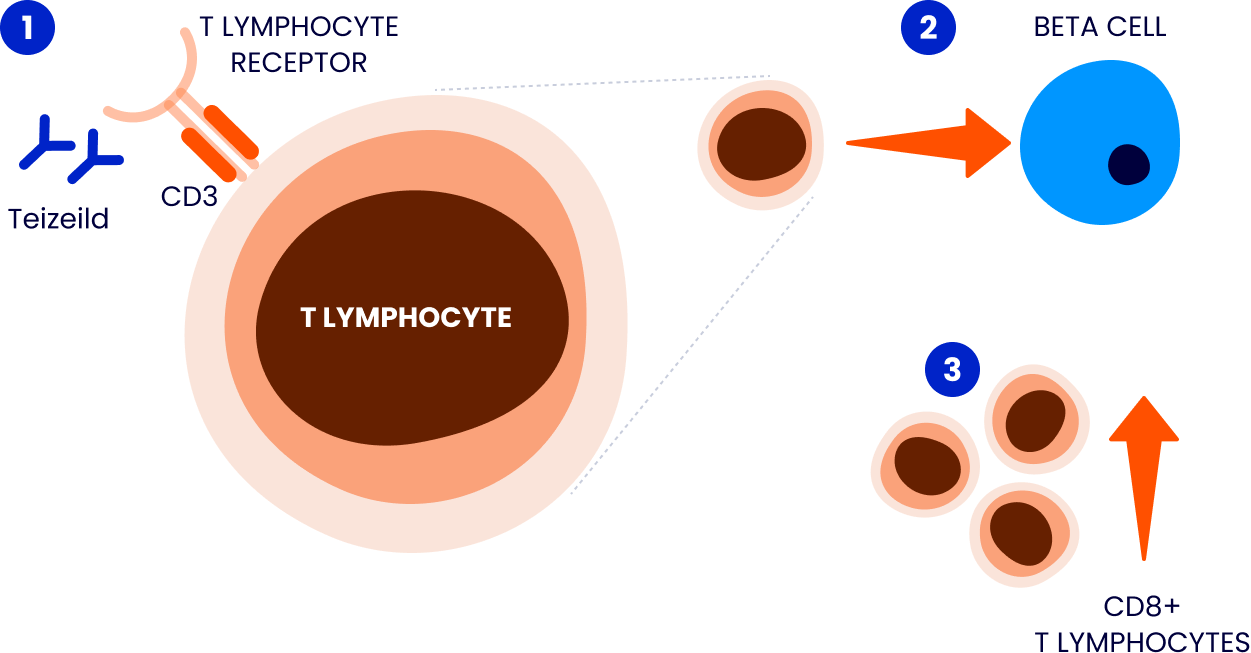
Teizeild was designed to modulate the autoimmune process responsible for T1D1,2
Teizeild is an anti-CD3 monoclonal antibody designed to modulate the autoimmune process involved in the destruction of pancreatic beta cells.1,2
- Teizeild binds to CD3 antigens on the surface of T lymphocytes1,2
- Through modulation of T lymphocyte signalling, autoreactive CD8+ T lymphocytes that act on pancreatic beta cells may become partially exhausted and deactivated1,2
- This treatment may result in an increased proportion of CD8+ T lymphocytes with signs of exhaustion in peripheral blood2
CD3, cluster of differentiation 3; T1D, type 1 diabetes.
-
Herold KC, Delong T, Perdigoto AL, et al. Nat Rev Immunol. 2024;24(6):435-451.
-
Teizeild (teplizumab). European Medicines Agency Summary of Product Characteristics. Sanofi, 08.01.2026
Trial Design
TN-10 trial design and extended follow-up analyses
A Phase II, randomised, placebo-controlled, double-blind, time-to-event trial in 76 patients, 8-49 years of age with Stage 2 T1D.*1
Patients in the Teizeild group had a total drug exposure that was comparable to the total drug exposure achieved with the recommended total Teizeild dose.2
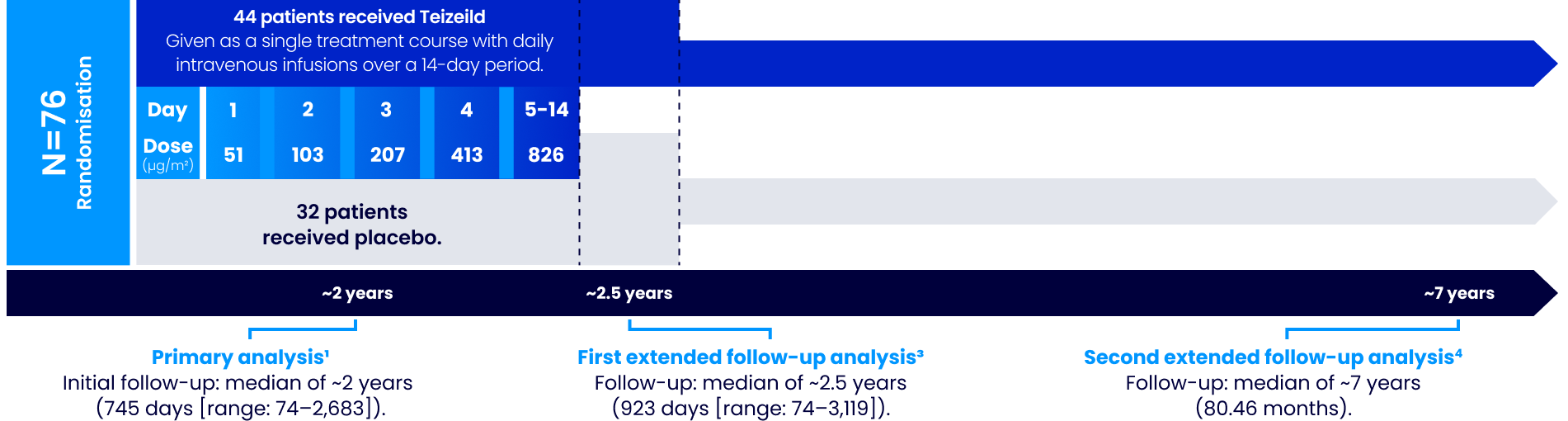
Primary endpoint: Time from randomisation to onset of clinical autoimmune T1D (Stage 3).1
Key safety measure: Number of participants with adverse events.1
Limitations of extended follow-up analyses: The TN-10 trial was relatively small at the start of the trial, and patient numbers decreased throughout follow-up.1,3,4
Trial Design
Baseline characteristics
Baseline characteristics1,2
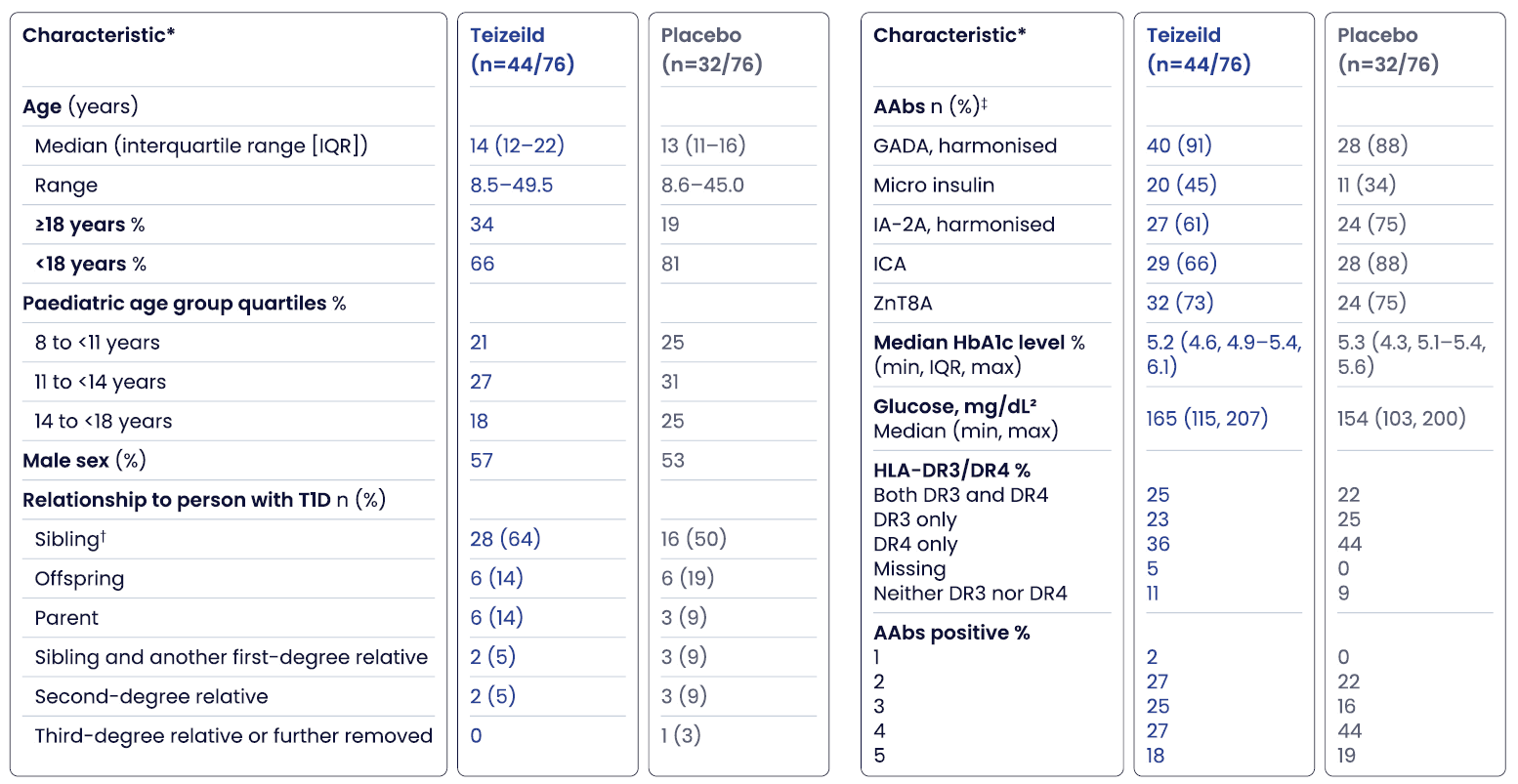
Adapted from Herold KC, et al. 2019 and Teizeild (teplizumab) SmPC. 2025.1,2
*Percentages may not total 100 because of rounding.2
†Participants in this category may have had more than one sibling with T1D.2
-
Teizeild (teplizumab). European Medicines Agency Summary of Product Characteristics. Sanofi, 08.01.2026
-
Herold KC, et al. N Engl J Med. 2019; 381(7): 603–613
GADA, glutamic acid decarboxylase 65 autoantibody; IA-2A, insulinoma-associated antigen 2 autoantibody; ICA, islet cell autoantibody; OGTT, oral glucose tolerance test; T1D, type 1 diabetes; TN-10, TrialNet-10; ZnT8A, zinc transporter-8 autoantibody.
*Stage 2 T1D was defined as having e2 diabetes-related autoantibodies (including GADA, ICA, IA-2A and ZnT8A) and dysglycaemia during an OGTT.1
-
Herold KC, Bundy BN, Long SA, et al. N Engl J Med. 2019;381(7):603-613.
-
Teizeild (teplizumab). European Medicines Agency Summary of Product Characteristics. Sanofi, 08.01.2026
-
Sims EK, Bundy BN, Stier K, et al. Sci Transl Med. 2021;13(583):eabc8980.
-
Lledó-Delgado A, Preston-Hurlburt P, Currie S, et al. J Clin Invest. 2024;134(18):e177492.
Efficacy
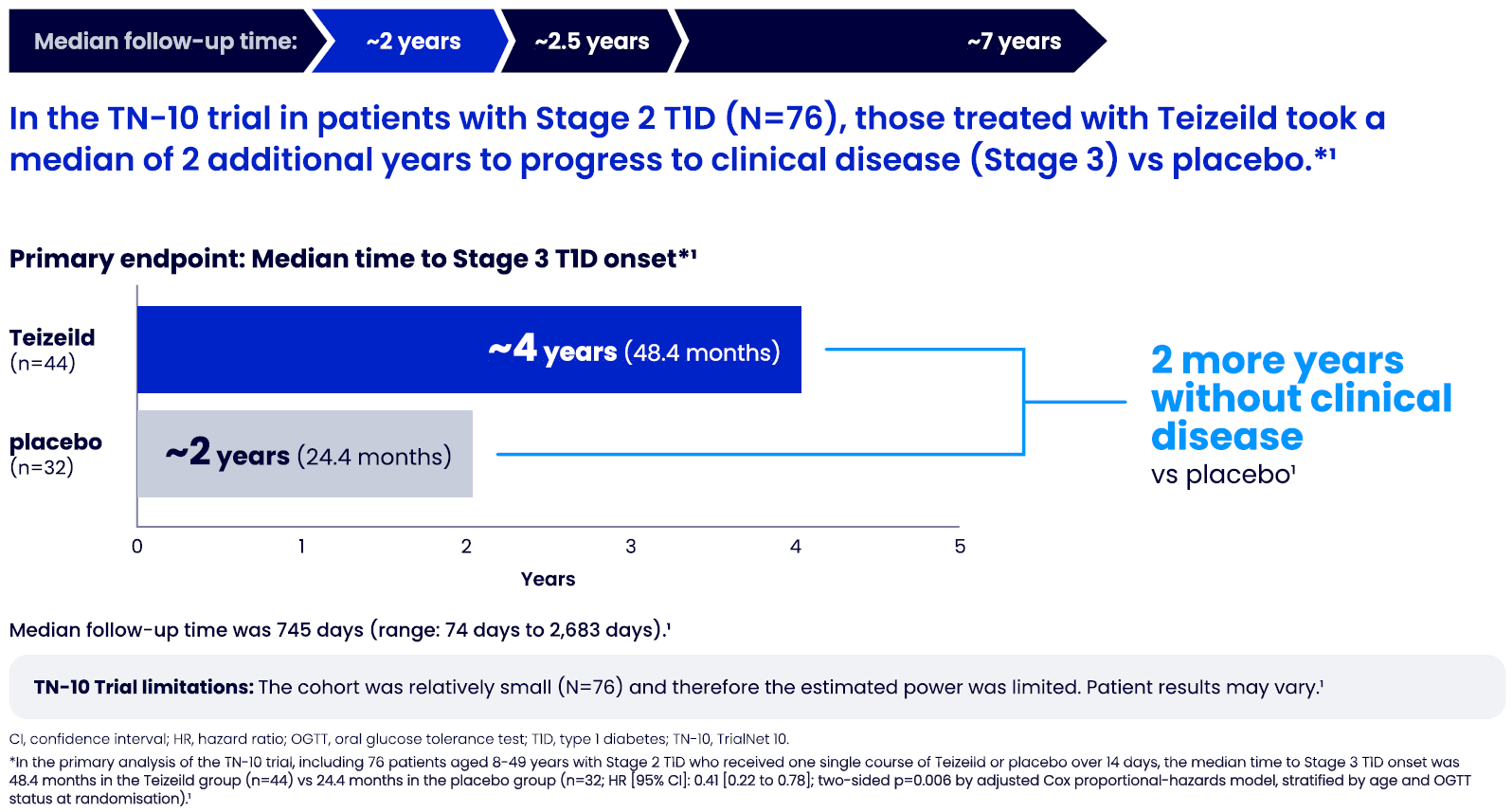
TN-10: AFTER A MEDIAN FOLLOW-UP OF ~2 years
Teizeild resulted in 2x more time in presymptomatic Stage 2 T1D vs placebo*1
-
Herold KC, Bundy BN, Long SA, et al. N Engl J Med. 2019;381(7):603-613.
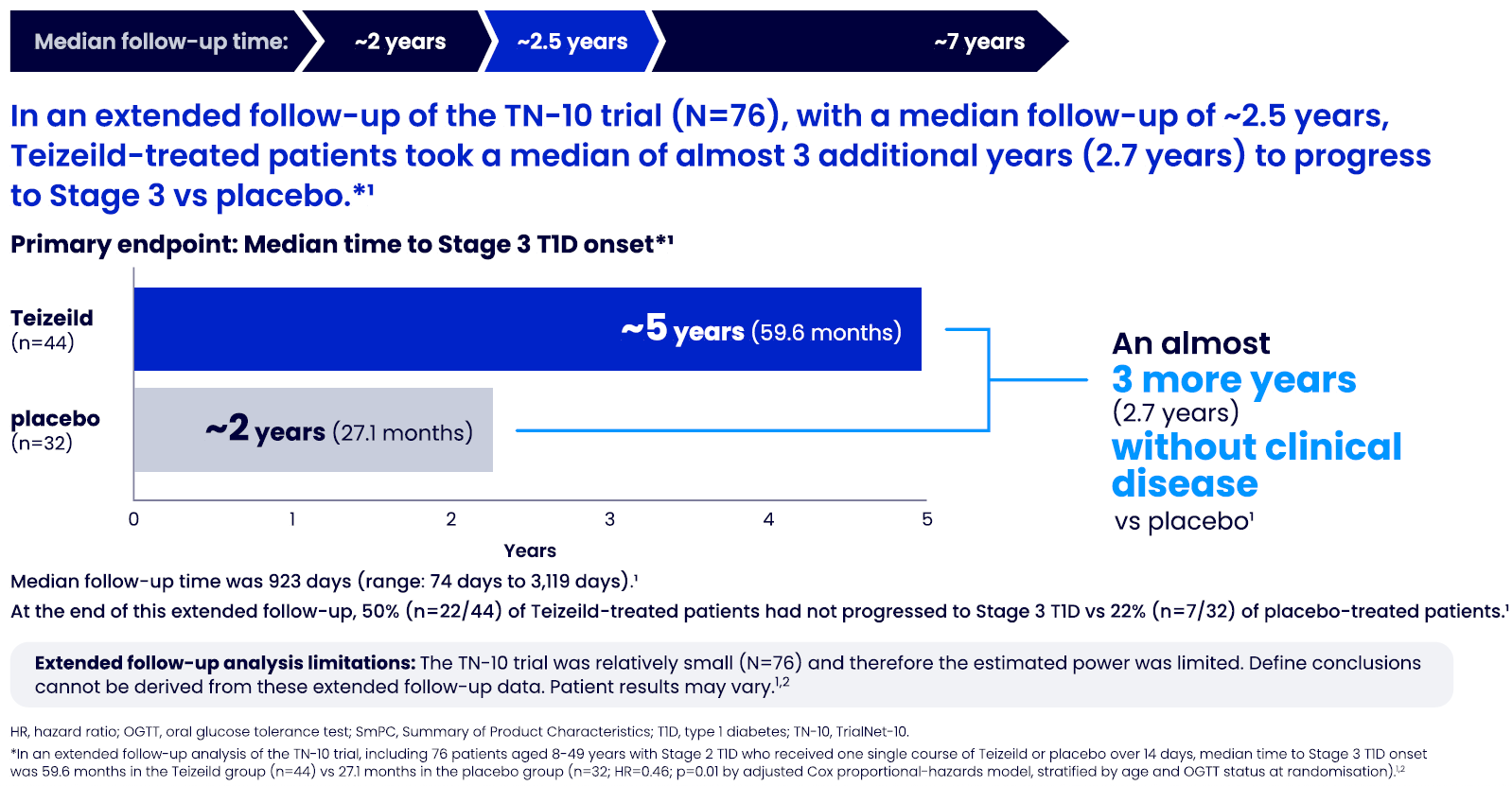
TN-10: AFTER A MEDIAN FOLLOW-UP OF ~2.5 years
Teizeild resulted in 3 more years in presymptomatic Stage 2 T1D vs placebo*1
-
Sims EK, Bundy BN, Stier K, et al. Sci Transl Med. 2021;13(583):eabc8980.
-
Herold KC, Bundy BN, Long SA, et al. N Engl J Med. 2019;381(7):603-613.
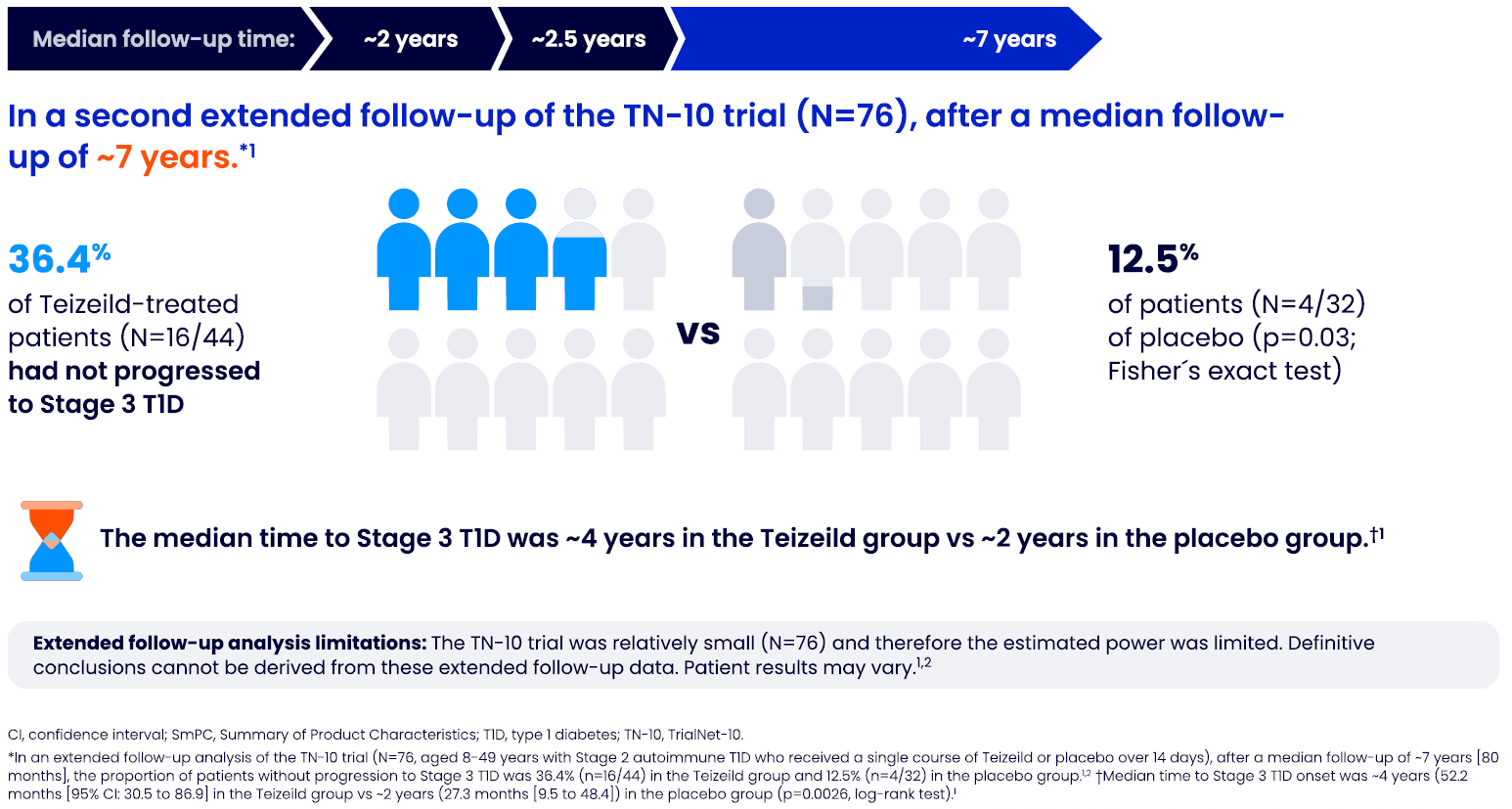
TN-10: after a median follow-up of ~7 years
36% of Teizeild-treated patients remained free from clinical disease*1
-
Lledó-Delgado A, Preston-Hurlburt P, Currie S, et al. J Clin Invest. 2024;134(18):e177492.
-
Herold KC, Bundy BN, Long SA, et al. N Engl J Med. 2019;381(7):603-613.
Safety Profile
Teizeild is an immunomodulator with a well-documented safety profile1

The safety of Teizeild has been assessed across seven clinical trials in over 1,000 patients with Stage 2 T1D from an unapproved population*1,2
The majority of adverse reactions were1:
- mechanism-based, predictable and manageable
- generally transient, resolving within 28 days after the last treatment dose
The most frequently reported adverse reactions in Teizeild-treated patients were1:
- lymphopenia (75%)
- leukopenia (58%)
- neutropenia (37%)
- rash (36%)
The majority of adverse reactions were1:
- mechanism-based, predictable and manageable
- generally transient, resolving within 28 days after the last treatment dose
Serious adverse reactions in Teizeild-treated patients included1:
- CRS (0.9%)
- increased alanine aminotransferase (0.2%)
- increased aspartate aminotransferase (0.2%)
- severe lymphopenia (0.2%)
- neutropenia (0.2%)
- infection (0.2%)
CRS 1
Cytokine release syndrome (CRS)
CRS may occur with Teizeild but can be mitigated with premedication1
CRS is a systemic inflammatory response caused by the release of large amounts of cytokines, resulting in symptoms such as fever and fatigue, and in some cases, more severe clinical manifestations.1,5 CRS is a known side effect of immunomodulatory treatments and likely occurs due to partial CD3 agonism with Teizeild.5-7
In a pooled analysis of seven clinical trials*:

6% of Teizeild-treated patients developed CRS, with 0.84% of these cases reported as serious1

symptoms of CRS typically occurred during the first (5 days of treatment, with cases generally observed (within 28 days after the last dose1

CRS can be mitigated by premedicating patients.
ALT, alanine aminotransferase; AST, aspartate aminotransferase; CD3, cluster of differentiation 3; CRS, cytokine release syndrome; NSAID, nonsteroidal anti-inflammatory drug; T1D, type 1 diabetes; TN-10, TrialNet-10.
*The safety of Teizeild was evaluated in an integrated analysis of seven clinical trials across Stage 2 (TN-10) and in an unapproved population (Stage 3 T1D) (AbATE, Protégé, Protégé Extension, Protégé Encore, Delay and PROTECT) T1D. The analysis included a total of 1,346 patients, with 1,008 patients treated with Teizeild (infusions over a 6-, 12- or 14-day dosing regimen, in 1 or 2 courses separated by 6 to 12 months) and 356 in the control group (placebo or standard of care). 18 patients from the Delay open-label trial counted toward both cohorts.2 Across the analysis, CRS occurred in 6.4% of Teizeild-treated patients vs 1.1% of those in the control group.2
1. Teizeild (teplizumab). European Medicines Agency Summary of Product Characteristics. Sanofi, 08.01.2026
2. Dayan C, Herold KC, Simmons KM, et al; 60th EASD Annual Meeting of the European Association for the Study of Diabetes: Madrid, Spain, 9-13 September 2024. Diabetologia. 2024;67(Suppl 1):1-593.
5. Shimabukuro-Vornhagen A, Gödel P, Subklewe M, et al. J Immunother Cancer. 2018;6(1):56.
7. Baumgart DC, Lowder JN, Targan SR, et al. Am J Gastroenterol. 2009;104(4):868-87.
Lymphopenia
Lymphopenia
Lymphopenia is an expected, very common and transient adverse reaction to Teizeild1
In a pooled analysis of seven clinical trials*:

the majority (75%) of Teizeild-treated patients developed lymphopenia1

for most patients treated with Teizeild who experienced lymphopenia, lymphocyte levels began to recover after the fifth day of treatment and resolved within 2 weeks after treatment completion and without dose interruption1

severe lymphopenia (<0.5 x 10⁹ cells/L) lasting (1 week or longer occurred in 2% of Teizeild-treated patients and 0.5% of patients permanently discontinued treatment due to lymphopenia1
Guidance for lymphopenia1

- Monitor white blood cell counts during the treatment period
- If prolonged severe lymphopenia (lasting 1 week or longer) develops, discontinue Teizeild treatment
Special warnings and precautions for use
Special warnings and precautions for use
Lymphopenia is an expected and very common adverse reaction to Teizeild that is often resolved by week 61,2
TN-10 Week 6: Average lymphocyte counts return to baseline2
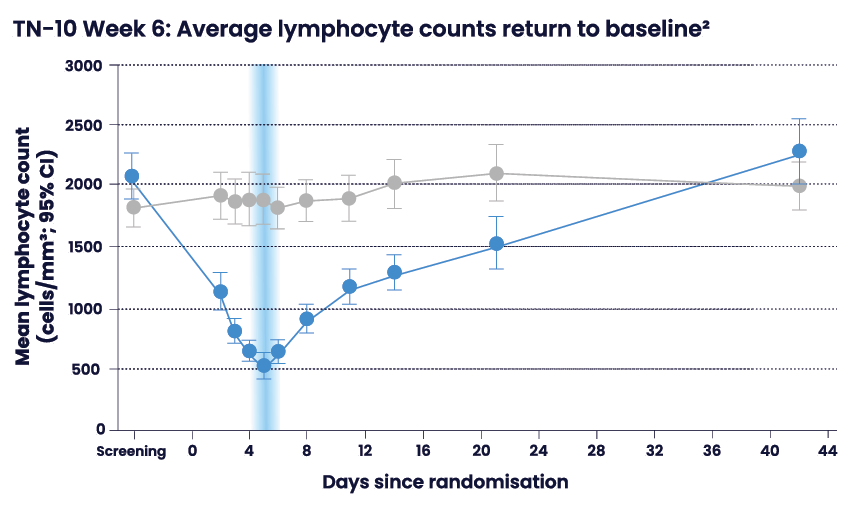
- Average lymphocyte count nadir occurred at Day 5 of treatment, with recovery and return to baseline by Week 6 in most patients1,2
- Lymphopenia occurred in the absence of T-cell depletion1,2
- In clinical trials, 80% of patients treated with Teizeild developed lymphopenia compared to 17% of patients in the control group1
Adapted from Herold KC, et al. 2019.2
-
Teizeild (teplizumab). European Medicines Agency Summary of Product Characteristics. Sanofi, 08.01.2026
-
Dayan C, Herold KC, Simmons KM, et al; 60th EASD Annual Meeting of the European Association for the Study of Diabetes: Madrid, Spain, 9-13 September 2024. Diabetologia. 2024;67(Suppl 1):1-593.
-
Herold KC, Gitelman SE, Gottlieb PA, et al. Diabetes Care. 2023;46(10):1848-1856. Supplemental Material.
T1D, type 1 diabetes; TN-10, TrialNet-10.
*The safety of Teizeild was evaluated in an integrated analysis of seven clinical trials across Stage 2 (TN-10) and in an unapproved population (Stage 3 T1D) (AbATE, Protégé, Protégé Extension, Protégé Encore, Delay and PROTECT) T1D. The analysis included a total of 1,346 patients, with 1,008 patients treated with Teizeild (infusions over a 6-, 12- or 14-day dosing regimen, in 1 or 2 courses separated by 6 to 12 months) and 356 in the control group (placebo or standard of care). 18 patients from the Delay open-label trial counted toward both cohorts.2 Across the analysis, lymphopenia occurred in 74.5% of Teizeild-treated patients vs 12.9% of those in the control group.2
-
Teizeild (teplizumab). European Medicines Agency Summary of Product Characteristics. Sanofi, 08.01.2026
CRS, cytokine release syndrome; T1D, type 1 diabetes; TN-10, TrialNet-10.
*The safety of Teizeild was evaluated in an integrated analysis of seven clinical trials across Stage 2 (TN-10) and in an unapproved population (Stage 3 T1D) (AbATE, Protégé, Protégé Extension, Protégé Encore, Delay and PROTECT) T1D. The analysis included a total of 1,346 patients, with 1,008 patients treated with Teizeild (infusions over a 6-, 12- or 14-day dosing regimen, in 1 or 2 courses separated by 6 to 12 months) and 356 in the control group (placebo or standard of care). 18 patients from the Delay open-label trial counted toward both cohorts.2
-
Teizeild (teplizumab). European Medicines Agency Summary of Product Characteristics. Sanofi, 08.01.2026
-
Dayan C, Herold KC, Simmons KM, et al; 60th EASD Annual Meeting of the European Association for the Study of Diabetes: Madrid, Spain, 9-13 September 2024. Diabetologia. 2024;67(Suppl 1):1-593.
Dosing & Administration
Teizeild is a single-course treatment completed over 14 consecutive days1
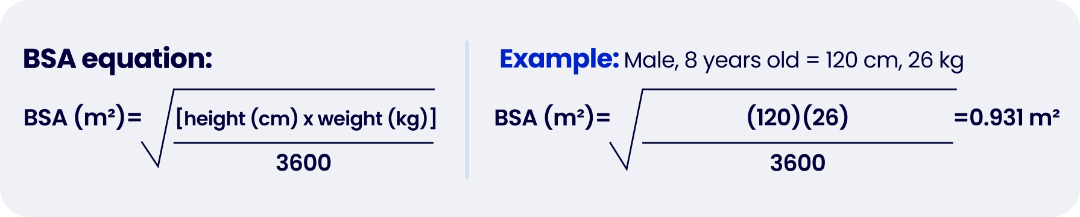
Teizeild is administered by intravenous infusion over a minimum of 30 minutes, using body surface area (BSA)-based dosing1
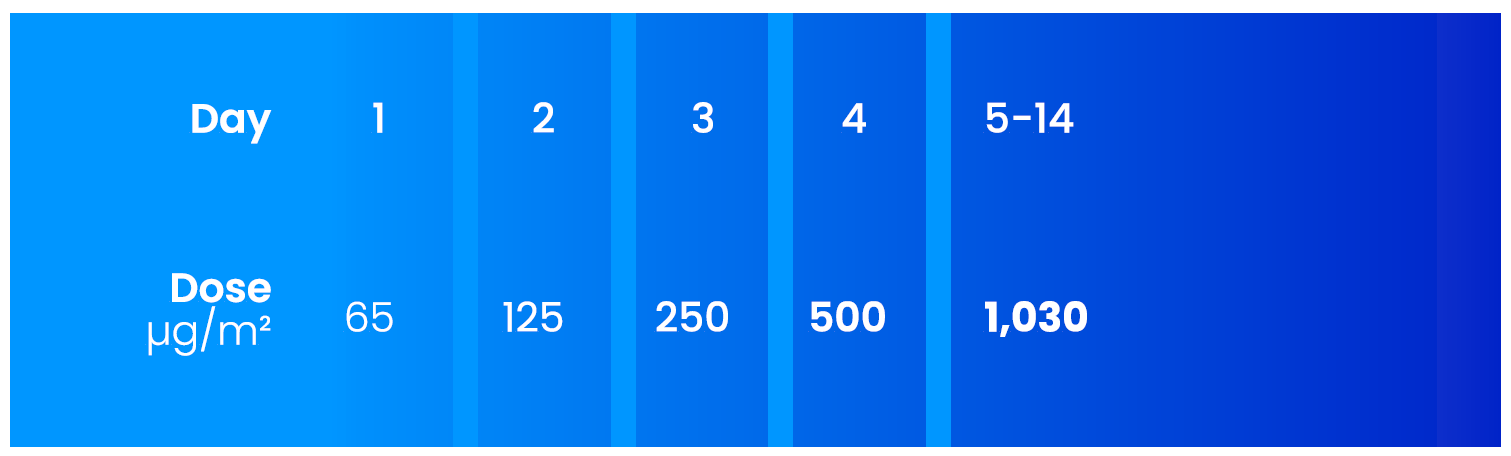
Recommended dosing schedule*1
BSA dosing
BSA dosing
How to calculate BSA dosing with the Mosteller formula2
- When calculating BSA, round to the 100th using standard rounding rules (example: 0.93 m2)
- Based on BSA dosing requirements, two vials may be needed for some individuals (BSA >1.94 m2) for Days 5-141
-
Teizeild (teplizumab). European Medicines Agency Summary of Product Characteristics. Sanofi, 08.01.2026
-
Mosteller RD. N Engl J Med. 1987; 317(17): 1098.
Additional dosing information
Additional dosing information1

Pharmaceutical form and concentration
- Clear, colourless concentrate for solution for infusion
- 1 mL of concentrate contains 1 mg of Teizeild
- Each vial contains 2 mg of Teizeild in 2 mL of concentrate (2 mg/2 mL)

Do not administer two doses on the same day

If an infusion is missed
Resume dosing by administering all remaining doses on consecutive days to complete the course.

Infusion should be completed within 6 hours of the start of preparaion1
Infusion should be administrered at the same time each day ±4 hours2
Discard the infusion solution if not administered within 6 hours of preparation1

For the first 5 days of dosing, premedicate prior to Teizeild infusion with: (1) an NSAID or acetaminophen, (2) an antihistamine, and/or (3) an antiemetic

Administer additional doses of premedication if needed
NSAID, nonsteroidal anti-inflammatory drug.
-
Teizeild (teplizumab). European Medicines Agency Summary of Product Characteristics. Sanofi, 08.01.2026
-
Mosteller RD. N Engl J Med. 1987; 317(17): 1098.
Pre-treatment evaluation and vaccinations
Laboratory evaluation and vaccinations prior to treatment1

Prior to initiation of Teizeild, there are a number of laboratory evaluations required to ensure that Teizeild is suitable for patients. All age-appropriate vaccinations must also be administered before treatment
- Prior to initiating Teizeild obtain a complete blood count and liver enzyme tests
- Administer all age-appropriate vaccinations prior to starting Teizeild:
- Administer live-attenuated (live) vaccines at least 8 weeks prior to treatment
- Administer inactivated (killed) vaccines or mRNA vaccines at least 2 weeks prior to treatment
Use of Teizeild is not recommended in patients with:
|
-
Teizeild (teplizumab). European Medicines Agency Summary of Product Characteristics. Sanofi, 08.01.2026
*The dosing schedule in TN-10 was different to the recommended dosing schedule in the SmPC.1
-
Teizeild (teplizumab). European Medicines Agency Summary of Product Characteristics. Sanofi, 08.01.2026
Support Materials
We're here to support you with useful resources about Teizeild and to prepare you and your team for the first Teizeild infusion.

Educational Material
Read about the Teizeild TN-10 trial efficacy and safety data in a concise, easy-access format.
MAT-BE-2600613-v1.0-01/08/2026
SE-FILMEN-HÄR
