

Chronic Spontaneous Urticaria (CSU)
LOOK BENEATH THE SURFACE OF CSU
DUPIXENT is indicated for the treatment of moderate-to-severe chronic spontaneous urticaria in adult, adolescent and pediatric patients (2 years and above) with inadequate response to H1 antihistamines and who are naive to anti-IgE therapy for CSU.1

CSU1
moderate-to-severe with inadequate response to H1 antihistamines and naive to anti-IgE therapy

ATOPIC DERMATITIS1
moderate-to-severe in 12+ years;
severe in 6 months to 11 years and inadequately controlled on topicals

PRURIGO NODULARIS1
moderate-to-severe

ASTHMA1
type 2 or OCS dependent

CRSwNP1
inadequately controlled

EoE1
In patients aged 1 year and older, weighing at least 15 kg

COPD1
uncontrolled in adults with type 2 inflammation and on triple therapy
Debilitating episodes affect everyday life2
With CSU, itch is more than just discomfort
Itching can make it difficult to fall asleep and remain asleep through the night, resulting in fatigue and decreased physical functioning2

patients report itch as one of the most bothersome symptoms3
Common comorbidities include autoimmune diseases, metabolic syndrome, and other chronic diseases driven by type 2 inflammation (eg, AD, asthma, and COPD)4

Unpredictability takes an emotional toll2,5
Unpredictable hives and itch have a major impact
Daily functioning is negatively affected, often with feelings of embarrassment, frustration, and irritability2,5

of patients present with depressive disorders4,6

present with anxiety4,6
CSU REQUIRES CONTINUOUS CONTROL TO REDUCE SLEEP IMPAIRMENT, FUNCTIONAL IMPAIRMENT, AND EMOTIONAL DISTRESS2,5
Antihistamines may not be enough7
Antihistamines may not provide adequate relief for all patients
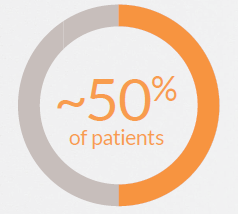
have an insufficient response to H1 antihistamines, including some treated at up to 4x the standard dosage7
Given the complexity and heterogeneous nature of CSU, despite existing treatment options, there remains unmet need8
Early diagnosis is crucial
Key diagnostic criteria:

of hives (with or without angioedema)9

duration for individual hives9

(not an allergic condition; allergy testing and/or skin biopsy are not required for diagnosis)2,9
Are your patients adequately controlled?
You might not know unless you ask
- Are symptoms interfering with sleep?
- Are symptoms affecting work or social activities?
- How is CSU impacting you emotionally?
Assessing disease control
According to guidelines, CSU treatment goals are complete disease control and normalization of quality of life9
The Urticaria Control Test (UCT) is a simple, 4-question tool that can be used at every visit to assess and monitor disease control in CSU9
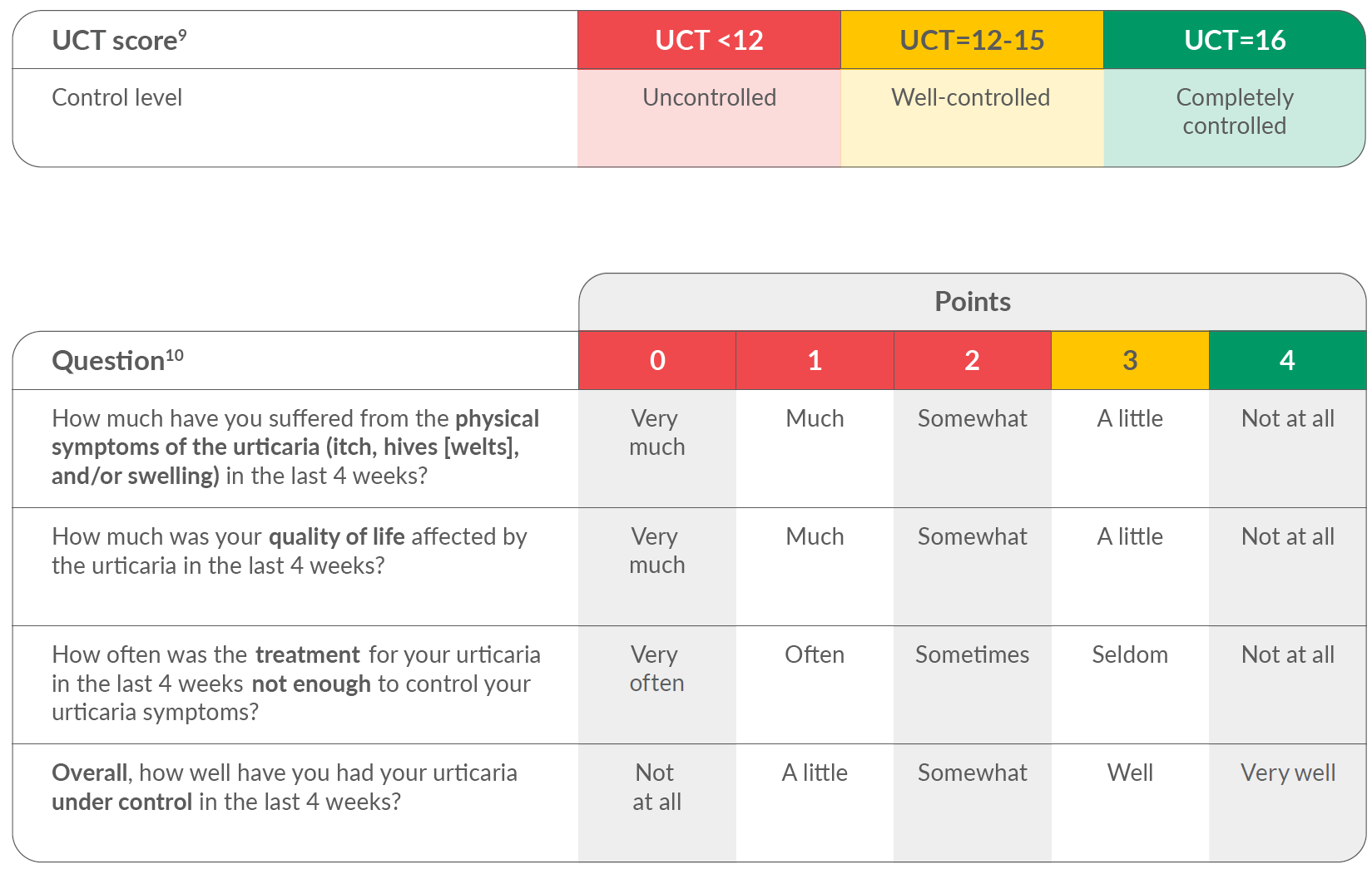
A UCT score <12 signifies uncontrolled CSU, indicating a need to escalate treatment for those patients9
Consider the uncontrolled
CSU remained undertreated
In a real-world 2-year study of patients with uncontrolled CSU (N=2727)11,a
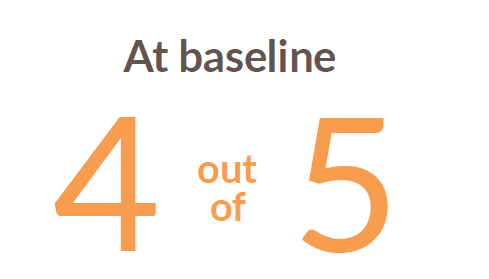
WERE POORLY CONTROLLED (UCT <12)11
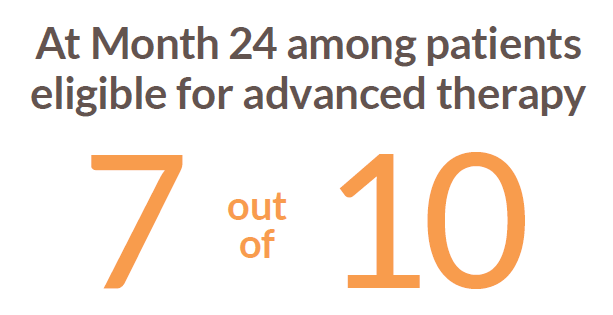
REMAINED UNDERTREATED11
In patients uncontrolled on H1 antihistamines, escalate therapy after 2-4 weeks or sooner if symptoms are intolerable
- International EAACI/GA2LEN/EuroGuiDerm/APAAACI Guidelines9
When H1 antihistamines are not enough, a different approach may be needed
a AWARE (A World-wide Antihistamine-Refractory chronic urticaria patient Evaluation) is a global, prospective, noninterventional study in the real-world setting reporting disease characteristics, pharmacological treatments, and health-related QoL of patients (N=2727) ≥18 years of age diagnosed with H1 antihistamine-refractory chronic spontaneous urticaria (without inducible urticaria) for >2 months.11
Dupixent offers an approach that may help a broad range of patients1
IL-4 and IL-13 signaling may contribute to different aspects of mast cell activation and degranulation
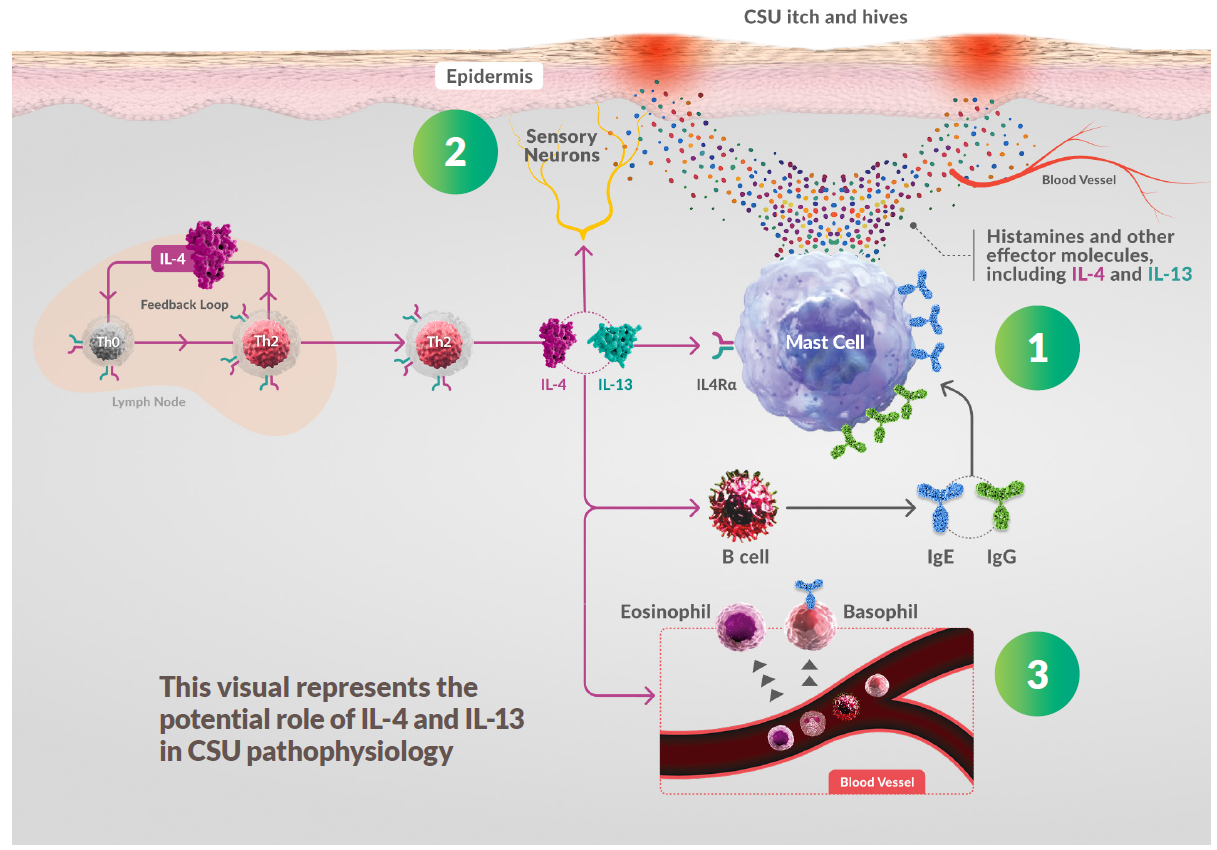
Mast cell activation may be driven by IL-4 and IL-1312
IgE-dependent
Mast cells may be activated by:
- IgE on mast cells targeting autoallergens12
- IgG targeting IgE on mast cells12
IgE-independent
Mast cells may be activated by:
- IgG targeting IgE receptors on mast cells12
- Through activation of other receptors on mast cells, including IL-4α12
Neuronal sensitization
leading to itch may be caused by IL-4 and IL-1313,14
Immune cell trafficking
into the skin may be promoted by IL-4 and IL-1315,16
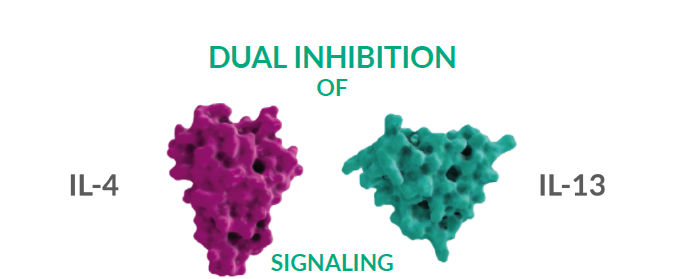
Dupixent is the dual inhibitor of IL-4 and IL-13 signaling1,17
DUPIXENT reduces type 2 inflammation by targeting IL-4Rα, which inhibits both IL-4 and IL-13 signaling to help relieve itch and hives in CSU1
HELPS RELIEVE ITCH |
HELPS RELIEVE HIVES |
|
|
Dupixent provides precise reduction of Type 2 inflammation1
When H1 antihistamines are not enough, Dupixent improves debilitating itch1,19,a
ISS7: weekly itch severity score
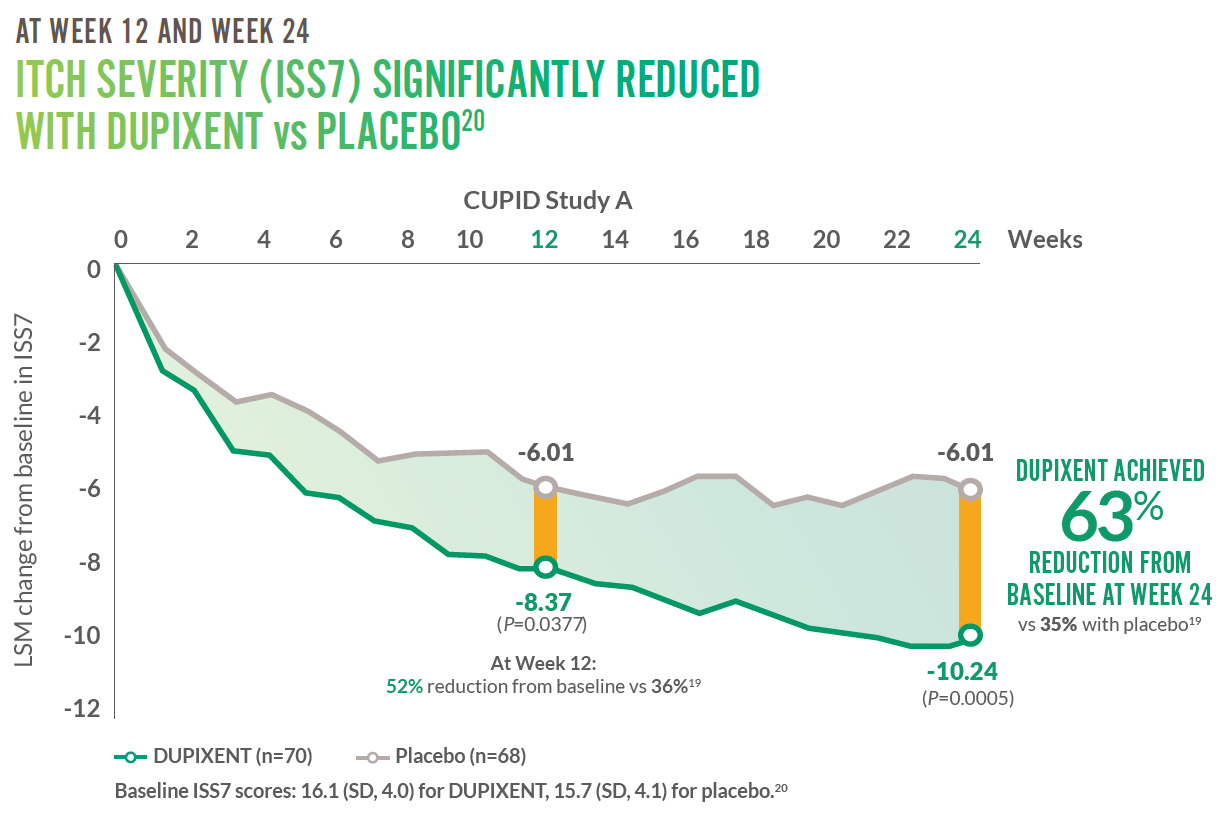
Improvement observed as early as Week 3 according to a post hoc, pooled analysis of CUPID Study A and CUPID Study C. Definitive conclusions cannot be made as this was a post hoc analysis which was not multiplicity controlled21
CUPID Study C
- 49% vs 32% reduction in ISS7 at Week 24 (DUPIXENT: -8.64 vs placebo: -6.10; P=0.0184)19
- Reduction in ISS7 at Week 12 (DUPIXENT: -7.15 vs placebo: -5.31, endpoint; not significant)19
- Mean ISS7 at baseline: DUPIXENT (n=74): 15.25 (SD, 3.63); placebo (n=77): 15.03 (SD, 3.95)19
In CUPID Study C, definitive conclusions cannot be made for Week 12 as the analysis was not multiplicity controlled.
When H1 antihistamines are not enough, Dupixent improves debilitating itch and hives1,19
UAS7: weekly itch + hives activity score
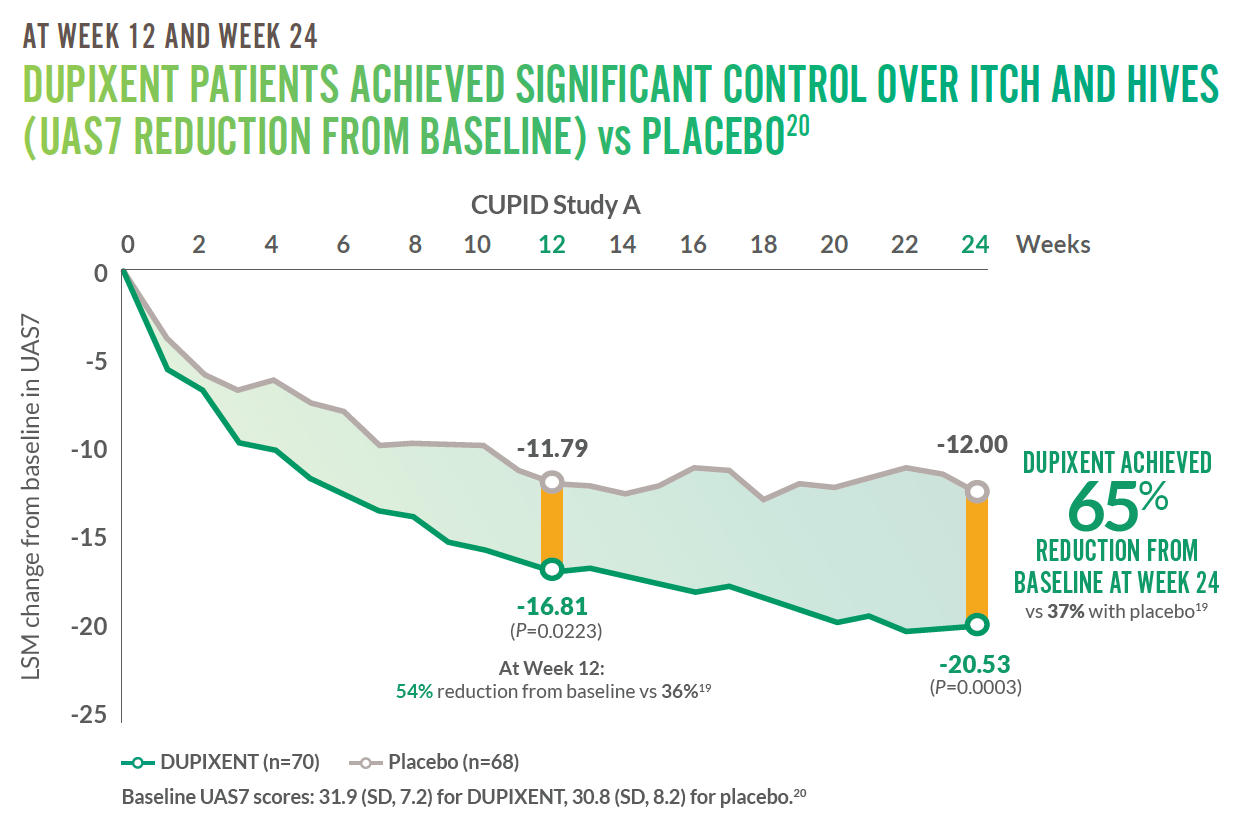
Improvement observed as early as Week 3 according to a post hoc, pooled analysis of CUPID Study A and CUPID Study C. Definitive conclusions cannot be made as this was a post hoc analysis which was not multiplicity controlled21
CUPID Study C
- 48% vs 32% reduction in UAS7 at Week 24 (DUPIXENT: -15.86 vs placebo: -11.21; P=0.0226)19
- Reduction in UAS7 at Week 12 (DUPIXENT: -12.87 vs placebo: -9.51, endpoint; not significant)19
- Mean UAS7 at baseline: DUPIXENT (n=74): 28.57 (SD, 7.09); placebo (n=77): 27.07 (SD, 7.88)19
In CUPID Study C, definitive conclusions cannot be made for Week 12 as the analysis was not multiplicity controlled.
a ISS7 is the weekly reported Itch Severity Score, a patient-reported assessment of itch severity. It is derived by adding the daily itch severity scores (on a scale from 0 to 3) from the preceding 7 days, for a total ISS7 range of 0 to 21.20
b UAS7 is the weekly Urticaria Activity Score, a patient-reported outcome of urticaria severity. UAS7 is a composite of itch severity (ISS7) and hives severity (HSS7), derived by adding the daily ISS and HSS scores from the preceding 7 days, for a total UAS7 range of 0 to 42.20
Demonstrated safety profile in csu
Adverse reactions occurring in ≥2% of patients through Week 24 (pooled safety data across CUPID Studies A, B, and C) were injection site reactions (10% DUPIXENT [n=195] vs 8% placebo [n=197])19,a,b
DISCONTINUATIONS DUE TO ADVERSE EVENTS WERE 1.0% FOR DUPIXENT vs 2.5% FOR PLACEBO (POOLED SAFETY POPULATION FROM CUPID STUDIES A, B, AND C)19,a,b
Among patients with CSU, the frequency of conjunctivitis was low and similar between the DUPIXENT and placebo groups1
The safety profile of dupixent has been demonstrated across all approved indications, including in patients ≥6 months in AD1,c
Adverse reactions for dupixent in clinical studies1
System organ class |
Frequency |
Adverse reaction |
| Infections and infestations | Common |
Conjunctivitisd Oral herpesd |
| Blood and lymphatic system
disorders |
Common | Eosinophilia |
| Immune system disorders |
Uncommon Rare |
Angioedemae Anaphylactic reactions, serum sickness reactions, serum sickness like reactions |
| Eye disorders |
Common Uncommon Rare |
Conjunctivitis allergicd Keratitis,d,e blepharitis,d,f eye pruritus,d,f dry eyed,f
|
| Skin and subcutaneous tissue
disorders |
Uncommon | Facial rashe |
| Musculoskeletal and connective
tissue disorders |
Common | Arthralgiae |
| General disorders and
administration site conditions |
Common | Injection site reactions (includes erythema, edema, pruritus, pain, swelling, and bruising) |
- If a systemic hypersensitivity reaction (immediate or delayed) occurs, DUPIXENT should be discontinued immediately and appropriate therapy initiated1
- Patients who develop conjunctivitis that does not resolve following standard treatment should undergo ophthalmological examination1
- Patients with comorbid asthma should not adjust or stop their asthma treatments without consulting their physicians. Monitor patients with comorbid asthma carefully following discontinuation of DUPIXENT1
- Most patients experiencing conjunctivitis recovered or were recovering during the treatment period1
- Treat any pre-existing helminth infections prior to initiating treatment with DUPIXENT. If patients become infected while receiving treatment with DUPIXENT and do not respond to anti-helminth treatment, discontinue treatment with DUPIXENT until the infection resolves1
d Eye disorders and oral herpes occurred predominately in atopic dermatitis studies.1
e From postmarketing reporting.1
f The frequencies for eye pruritus, blepharitis, and dry eye were common, and ulcerative keratitis was uncommon in atopic dermatitis studies.1
Important considerations

No requirements for initial lab testing or ongoing lab monitoring1

No known drug-to-drug interactions1

Not an immunosuppressant or a steroid1
a CUPID Study A and Study C evaluated the efficacy of DUPIXENT in participants with CSU who were symptomatic despite the use of H1 antihistamines and were naive to anti-IgE therapy. These studies enrolled 289 patients 6 years of age and older who were randomized to receive DUPIXENT every two weeks (n=144) or placebo (n=145) added to background antihistamine therapy. The primary efficacy endpoint was change from baseline in urticaria activity score over 7 days (UAS7) at Week 24. Disease severity was measured by a weekly urticaria activity score (UAS7, range 0-42), which is a composite of the weekly itch severity score (ISS7, range 0-21) and the weekly hive count score (HSS7, range 0-21). The key secondary endpoint was change from baseline in itch severity score over 7 days (ISS7) at Week 24. The ISS7 score was defined as the sum of the daily itch severity scores (ISS) recorded at the same time of the day for a 7-day period, ranging from 0 to 21. Additional secondary endpoints included the change from baseline in hives severity score over 7 days (HSS7) at Week 24 and the proportion of patients achieving UAS7 ≤6 and UAS7=0 at Week 24. Patients in the DUPIXENT group received subcutaneous injections of DUPIXENT 600 mg at Day 1, followed by 300 mg every other week (Q2W). Adolescent patients weighing <60 kg received DUPIXENT 400 mg at Day 1, followed by 200 mg every other week (Q2W).1
b CUPID Study B had a total of 108 adults and adolescents (12-17 years) with CSU inadequately controlled despite H1 antihistamine treatment randomized to DUPIXENT or placebo. All participants were inadequate responders or intolerant to anti-IgE therapy. The DUPIXENT group in CUPID Study B did not meet statistical significance for reduction in the secondary endpoint ISS7 at Week 24.20
c DUPIXENT is indicated to treat adults and adolescents with moderate-to-severe atopic dermatitis, and children and infants aged 6 months to 11 years old with severe atopic dermatitis who are candidates for systemic therapy.1
A biologic you know is approved in CSU
For stable improvement in itch, hives, and QoL at week 24 vs placebo for patients ≥12 years1,19
DUPIXENT relieved itch by Week 3, reduced lesions, and improved quality of life19,21
Demonstrated safety profile in CSU1
Consistent safety profile across all approved indications and age groups1
Start with ease
Not an immunosuppressant, no known drug-to-drug interactions, and no requirements for initial lab testing or ongoing lab monitoring1,2
-
DUPIXENT Summary of Product Characteristics, 04/26.
-
Kolkhir P et al. Nat Rev Dis Primers 2022;8(1):61.
-
Sommer R et al. Eur J Dermatol 2020;30(3):259-266.
-
Kolkhir P et al. J Allergy Clin Immunol 2025;155(4):1290-1298.
-
Balp MM et al. Patient 2015;8(6):551-558.
-
Staubach P et al. Acta Derm Venereol 2011;91(5):557-561.
-
Maurer M et al. World Allergy Organ J 2020;13(9):100460.
-
Yosipovitch G et al. Dermatol Ther (Heidelb) 2023;13(8):1647-1660.
-
Zuberbier T et al. Allergy 2022;77(3):734-766.
-
Weller K et al. J Allergy Clin Immunol 2014;133(5):1365-1372.
-
Maurer M et al. Clin Exp Allergy 2020;50(10):1166-1175.
-
Kolkhir P et al. J Allergy Clin Immunol 2022;149(6):1819-1831.
-
Mack MR et al. Front Mol Neurosci 2023;16:1258823.
-
Haddad E-B et al. Dermatol Ther (Heidelb) 2022;12(7):1501-1533.
-
Altrichter S et al. J Allergy Clin Immunol 2020;145(6):1510-1516.
-
Babina M et al. Arch Dermatol Res 2016;308(9):665-670.
-
Casale TB. J Allergy Clin Immunol 2022;150(6):1256-1259.
-
Oetjen LK et al. Cell 2017;171(1):217-228.e13.
-
Casale TB, Saini SS, Ben-Shoshan M, Giménez-Arnau AM, Bernstein JA, Hayama K, Amin N, Robinson LB, Bauer D, Dakin P, Laws E, Radin A, Makhija M. Dupilumab in Patients With Chronic Spontaneous Urticaria: Phase 3 LIBERTY-CSU CUPID Randomized Clinical Trials. JAMA Dermatol. 2026 Apr 1;162(4):350-358. doi:10.1001/jamadermatol.2025.6023. PMID: 41706458; PMCID: PMC12917742.
-
Maurer M et al. J Allergy Clin Immunol 2024;154(1):184-194.
-
Gandhi NA et al. Nat Rev Drug Discov 2016;15(1):35-50.
AD, atopic dermatitis; COPD, chronic obstructive pulmonary disease, APAAACI, Asian Pacific Association of Allergy, Asthma and Clinical Immunology; EAACI, European Academy of Allergy and Clinical Immunology; GA2LEN, Global Allergy and Asthma European Network; QoL, quality of life; IL, interleukin; HSS7, Hives Severity Score over 7 days; ISS7, Itch Severity Score over 7 days; LSM, least squares mean; UAS7, Urticaria Activity Score over 7 days.
Dupixent® (dupilumab), solution for injection in pre-filled syringe/pen 200 mg and 300 mg
Indication*: Atopic dermatitis: Adults and adolescents: Treatment of moderate-to-severe atopic dermatitis in adults and adolescents 12 years and older who are candidates for systemic therapy. Children 6 months to 11 years of age: Treatment of severe atopic dermatitis in children 6 months to 11 years old who are candidates for systemic therapy. Asthma: Adults and adolescents: Indicated in adults and adolescents 12 years and older as add-on maintenance treatment for severe asthma with type 2 inflammation characterized by raised blood eosinophils and/or raised fraction of exhaled nitric oxide (FeNO), who are inadequately controlled with high dose inhaled corticosteroids (ICS) plus another medicinal product for maintenance treatment. Children 6 to 11 years of age: Indicated in children 6 to 11 years old as add-on maintenance treatment for severe asthma with type 2 inflammation characterized by raised blood eosinophils and/or raised fraction of exhaled nitric oxide (FeNO), who are inadequately controlled with medium to high dose inhaled corticosteroids (ICS) plus another medicinal product for maintenance treatment. Chronic rhinosinusitis with nasal polyposis (CRSwNP), 300 mg only: Indicated as an add-on therapy with intranasal corticosteroids for the treatment of adults with severe CRSwNP for whom therapy with systemic corticosteroids and/or surgery do not provide adequate disease control. Prurigo Nodularis (PN), 300 mg only: Indicated for the treatment of adults with moderate-to-severe prurigo nodularis (PN) who are candidates for systemic therapy. Eosinophilic esophagitis (EoE): Treatment of EoE in adults, adolescents and children aged 1 year and older weighing at least 15 kg, who are inadequately controlled by, are intolerant to, or who are not candidates for conventional medicinal treatment. Chronic obstructive pulmonary disease (COPD), 300 mg only: Indicated in adults as add-on maintenance treatment for uncontrolled chronic obstructive pulmonary disease (COPD) characterised by raised blood eosinophils on a combination of an inhaled corticosteroid (ICS), a long-acting beta2-agonist (LABA), and a long-acting muscarinic antagonist (LAMA), or on a combination of a LABA and a LAMA if ICS is not appropriate. Chronic spontaneous urticaria (CSU): Indicated for the treatment of moderate to severe chronic spontaneous urticaria in adults, adolescents, and children (2 years and above) with inadequate response to H1 antihistamines and who are naive to anti-IgE therapy for CSU. Posology*: Treatment must be initiated by a physician experienced in the diagnosis and treatment of conditions for which dupilumab is indicated. Atopic Dermatitis: Adults, adolescents 12 to 17 years and children 6 to 11 years weighing ≥60 kg: Initial dose 600 mg (two 300 mg injections), followed by 300 mg every 2 weeks. Adolescents 12 to 17 years weighing <60 kg: Initial dose 400 mg (two 200 mg injections), followed by 200 mg every 2 weeks. Children 6 to 11 years weighing 15 kg to <60 kg: Initial dose 300 mg (one 300 mg injection) on Day 1, then 300 mg on Day 15, followed by 300 mg every 4 weeks starting 4 weeks after Day 15 dose; may be increased to 200 mg every 2 weeks based on physician assessment. Children 6 months to 5 years weighing 5 kg to less than 15 kg: Initial dose 200 mg (one 200 mg injection), then 200 mg every 4 weeks. Children 6 months to 5 years weighing 15 kg to less than 30 kg: Initial dose 300 mg (one 300 mg injection), then 300 mg every 4 weeks. Dupilumab can be used with or without topical corticosteroids. Consideration should be given to discontinuing treatment in patients who have shown no response after 16 weeks of treatment for atopic dermatitis. Some patients with initial partial response may subsequently improve with continued treatment beyond 16 weeks. If dupilumab treatment interruption becomes necessary, patients can still be successfully re-treated. The pre-filled pen is for adults and children 2 years and above. The pre-filled syringe is for adults and children 6 months and above. Asthma: Adults and adolescents ≥12 years: For severe asthma with oral corticosteroids, or with comorbid moderate-to-severe atopic dermatitis, or adults with severe CRSwNP: Initial dose 600 mg (two 300 mg injections), followed by 300 mg every 2 weeks. For all other patients: Initial dose 400 mg (two 200 mg injections), followed by 200 mg every 2 weeks. Children 6 to 11 years weighing 15 kg to less than 30 kg: 300 mg every 4 weeks. Children 6 to 11 years weighing 30 kg to less than 60 kg: 200 mg every 2 weeks or 300 mg every 4 weeks. Children 6 to 11 years weighing ≥60 kg: 200 mg every 2 weeks. Dupilumab is intended for long-term treatment. The need for continued therapy should be considered at least on an annual basis as determined by physician assessment of the patient’s level of asthma control. CRSwNP: Adults: Initial dose 300 mg, followed by 300 mg every 2 weeks. Dupilumab is intended for long-term treatment. Consideration should be given to discontinuing treatment in patients who have shown no response after 24 weeks of treatment for CRSwNP. Some patients with initial partial response may subsequently improve with continued treatment beyond 24 weeks. Prurigo Nodularis: Adults: Initial dose 600 mg (two 300 mg injections), followed by 300 mg given every other week. Dupilumab can be used with or without topical corticosteroids. Consideration should be given to discontinuing treatment in patients who have shown no response after 24 weeks of treatment for PN. Eosinophilic Esophagitis: For adults, adolescents, and children 1 year and older weighing at least 15 kg: weighing 15 kg to less than 30 kg: 200 mg every 2 weeks, weighing 30 kg to less than 40 kg: 300 mg every 2 weeks, weighing 40 kg or more: 300 mg weekly. COPD: Adults:300 mg every other week. Dupilumab is intended for long-term treatment. Consideration should be given to discontinuing treatment in patients who have shown no response after 52 weeks of treatment for COPD. CSU: Adults and children and adolescents 6 to 17 years weighing ≥60 kg: Initial dose 600 mg (two 300 mg injections), followed by 300 mg every 2 weeks. Children and adolescents 6 to 17 years weighing 30 kg to <60 kg: 400 mg (two 200 mg injections), followed by 200 mg every 2 weeks. Children and adolescents 6 to 17 years weighing 15 kg to <30 kg: 300 mg (one 300 mg injection) on Day 1, followed by 300 mg on Day 15. Thereafter, 300 mg every 4 weeks. Children 2 to 5 years weighing 15 to <30 kg: 300 mg every 4 weeks, both initial and subsequent doses. Children 2 to 5 years weighing 5 to <15 kg: 200 mg every 4 weeks, both initial and subsequent doses. Dupilumab dosing beyond 24 weeks has not been studied in CSU. After 24 weeks, the need for continued therapy should be periodically assessed. Consideration should be given to discontinuing treatment in patients who have shown no response after 24 weeks of treatment for CSU. Method of administration: Subcutaneous injection. Contraindications: Hypersensitivity to the active substance or to any of the excipients. Warnings and precautions*: Acute exacerbations of Asthma or COPD: Must not be used to treat acute symptoms or acute exacerbations of asthma or COPD; must not be used to treat acute bronchospasm or status asthmaticus. Corticosteroids: It is recommended that systemic, topical, or inhaled corticosteroids are not discontinued abruptly upon initiation of therapy with dupilumab. Reductions in corticosteroid dose, if appropriate, should be gradual and performed under the direct supervision of a physician. Reduction in corticosteroid dose may be associated with systemic withdrawal symptoms and/or unmask conditions previously suppressed by systemic corticosteroid therapy. Biomarkers of type 2 inflammation may be suppressed by systemic corticosteroid use. This should be taken into consideration to determine type 2 status in patients taking oral corticosteroids. Hypersensitivity: If a systemic hypersensitivity reaction (immediate or delayed) occurs, discontinue administration of dupilumab immediately and initiate appropriate therapy. Cases of anaphylactic reaction, angioedema, and serum sickness/serum sickness-like reaction have been reported. Anaphylactic reactions and angioedema have occurred from minutes to up to seven days after the dupilumab injection. Eosinophilic conditions: Cases of eosinophilic pneumonia and cases of vasculitis consistent with eosinophilic granulomatosis with polyangiitis (EGPA) have been reported with dupilumab in adult patients who participated in the asthma development program. Cases of vasculitis consistent with EGPA have been reported with dupilumab and placebo in adult patients with co-morbid asthma in the CRSwNP development program. Physicians should be alert to vasculitic rash, worsening pulmonary symptoms, cardiac complications, and/or neuropathy presenting in their patients with eosinophilia. Patients being treated for asthma may present with serious systemic eosinophilia sometimes presenting with clinical features of eosinophilic pneumonia or vasculitis consistent with eosinophilic granulomatosis with polyangiitis, conditions which are often treated with systemic corticosteroid therapy. These events usually, but not always, may be associated with the reduction of oral corticosteroid therapy. Helminth infection: Patients with pre-existing helminth infections should be treated before initiating dupilumab. Conjunctivitis and keratitis related events: Advise patients to report new onset or worsening eye symptoms to their healthcare provider. Patients treated with dupilumab who develop conjunctivitis that does not resolve following standard treatment or signs and symptoms suggestive of keratitis should undergo ophthalmological examination. Patients with comorbid asthma: Advise patients on dupilumab who also have co-morbid asthma to not adjust or stop their asthma treatments without consultation with their physicians. Vaccinations: Concurrent use of live and live attenuated vaccines with dupilumab should be avoided as clinical safety and efficacy have not been established. Polysorbate 80 (E433): Dupixent contains 4 mg of polysorbate 80 in each 300 mg dose (2ml). Polysorbates may cause allergic reactions. Interactions*: An effect of dupilumab on the PK of co-administered medicinal products is not expected. Based on the population analysis, commonly co-administered medicinal products had no effect on dupilumab pharmacokinetics on patients with moderate to severe asthma. Pregnancy and lactation*: Pregnancy: There is a limited amount of data from the use of dupilumab in pregnant women. Dupilumab should be used during pregnancy only if the potential benefit justifies the potential risk to the foetus. Breast-feeding: It is unknown whether dupilumab is excreted in human milk or absorbed systemically after ingestion. A decision must be made whether to discontinue breast-feeding or to discontinue dupilumab therapy taking into account the benefit of breast feeding for the child and the benefit of therapy for the woman. Fertility: Animal studies showed no impairment of fertility. Adverse reactions*: Common: Injection site reactions, conjunctivitis, oral herpes, eosinophilia, allergic conjunctivitis, arthralgia. Uncommon: Angioedema, eye pruritus, blepharitis, keratitis, dry eyes, facial erythema. Rare: Serum sickness, serum sickness-like reaction, anaphylactic reaction, ulcerative keratitis.Sections marked with * are rewritten/shortened compared to the approved Summary of Product Characteristics. Summary of Product Characteristics last updated: April 2026. Detailed information on this medicinal product is available on the website of the European Medicines Agency https://www.ema.europa.eu.
Marketing Authorization Holder: Sanofi Winthrop Industrie, 82 avenue Raspail, 94250 Gentilly, France.
Sweden: DUPIXENT® (dupilumab) 200mg och 300mg, injektionsvätska, lösning i förfylld spruta och förfylld injektionspenna. Rx, (F), D11AH05. Dupixent förfyllda injektionspenna är inte avsedd för användning till barn under 2 år. Indikation: Kronisk spontan urtikaria vuxna, barn och ungdomar: Dupixent är indicerat för behandling av måttlig till svår kronisk spontan urtikaria hos vuxna, ungdomar och barn (2 år och äldre) som inte fått tillräckligt svar av H1-antihistaminer och som inte tidigare fått anti-IgE-behandling för kronisk spontan urtikaria. Varning och försiktighet: Patienter med astmakomorbiditet ska inte justera eller avsluta astmabehandlingen utan att först konsultera sin läkare. För ytterligare säkerhetsinformation samt information om pris och förpackning, se www.fass.se. Kontaktuppgifter: Sanofi AB, Box 30052, 104 25 Stockholm, www.sanofi.se. Vid frågor om våra läkemedel kontakta: infoavd@sanofi.com. Datum för senaste översynen av produktresumé: april 2026 Dupixent ingår inte i läkemedelsförmånen för indikation kronisk spontan urtikaria.
Related articles

Leading Patient Engagement
CSU Patient Engagement: Expert Strategies for Meaningful Patient Communication

Defining Control
Identifying Inadequately Controlled CSU: Using the UCT for Clinical Decision-Making

Urgency to Treat
CSU Treatment Guidelines: The Importance of Timely Escalation in Uncontrolled Patients

© 2026 Sanofi and Regeneron Pharmaceuticals, Inc.
MAT-BE-2501222-1.0-05-06-2026
SE-FILMEN-HÄR
